Building Fintech Applications on AWS: Architecture Patterns
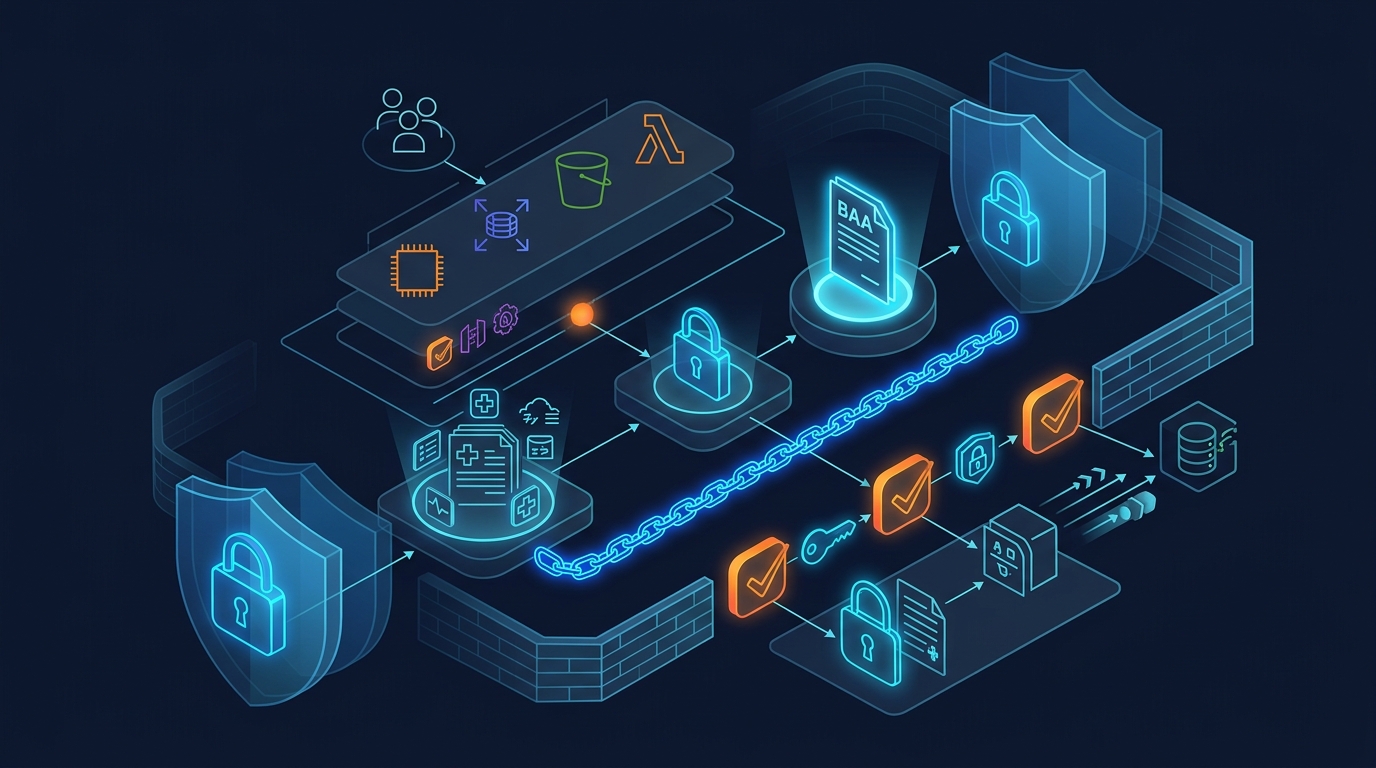
Architecture patterns for fintech applications on AWS — payment processing, fraud detection, regulatory compliance, and the services that power modern financial platforms.

Architecture patterns for fintech applications on AWS — payment processing, fraud detection, regulatory compliance, and the services that power modern financial platforms.

How to build education platforms that scale from zero to millions of students using AWS serverless services — with architecture patterns for LMS, assessments, video delivery, and AI-powered learning.

How to deploy, tune, and operationalize Amazon GuardDuty for production threat detection — covering finding types, multi-account setup, automated response, and reducing false positives.

A practical comparison of Amazon ECS and EKS for container orchestration — covering architecture, operational complexity, cost, and decision criteria for choosing the right service.

Practical Step Functions patterns for production workloads — from sequential pipelines to parallel fan-out, error handling, human approval workflows, and cost optimization strategies.

A practical guide to AWS disaster recovery strategies — from backup-and-restore to multi-site active-active, with RTO/RPO targets, cost analysis, and implementation patterns.

A practical guide to DynamoDB single-table design for SaaS — covering access patterns, tenant isolation, GSI strategies, and the patterns that make DynamoDB the ideal serverless database.

How to structure your AWS organization with multiple accounts for security, compliance, and cost isolation — using AWS Organizations, Control Tower, and a well-designed landing zone.

A practical guide to Lambda pricing models, memory tuning, Graviton savings, and when Provisioned Concurrency pays for itself versus standard on-demand invocations.

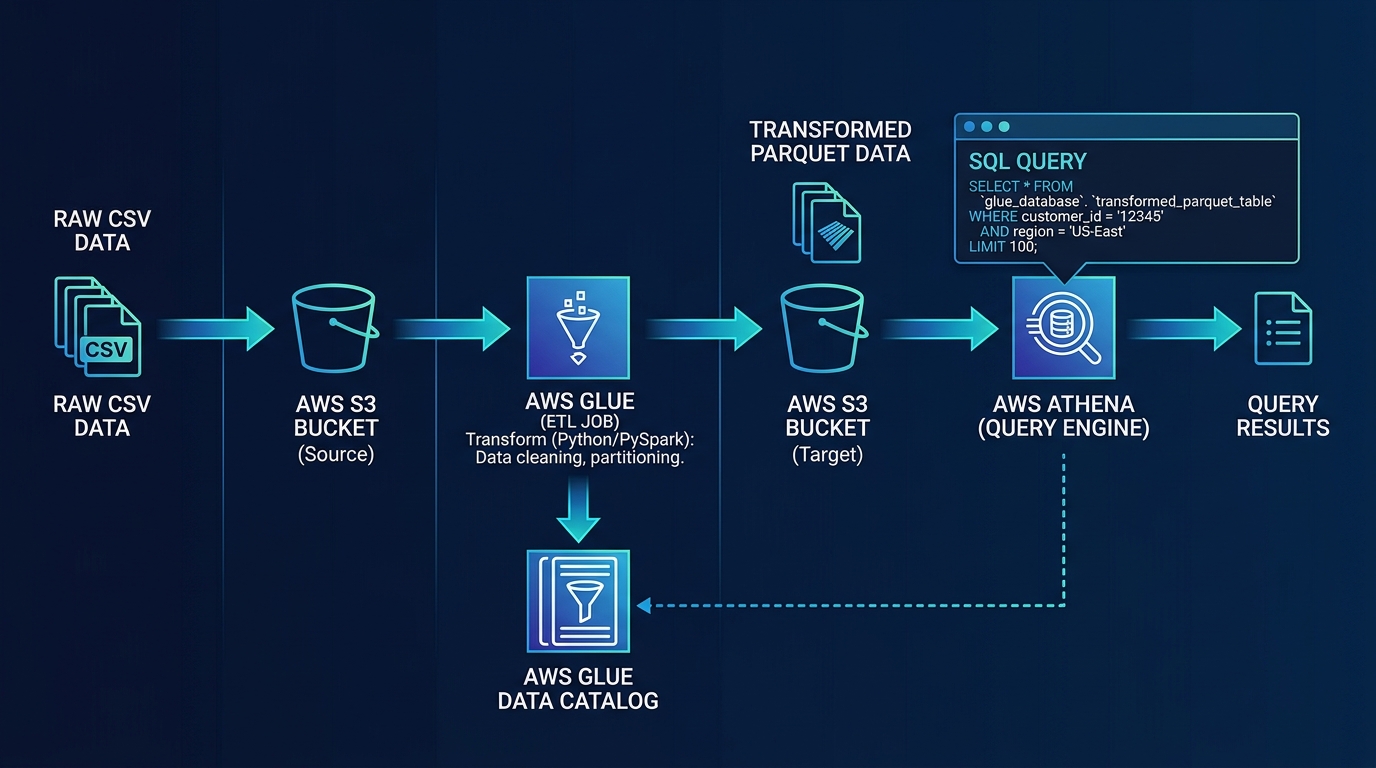
A practical guide to building a modern data lake on AWS using S3 for storage, Glue for ETL, and Athena for serverless SQL analytics — with architecture patterns and cost optimization.

A realistic breakdown of the total cost of managing AWS infrastructure in-house versus outsourcing to a managed services provider — covering staffing, tooling, risk, and opportunity cost.

Recognizing when to bring in expert help for your cloud migration can save months of delay and thousands in wasted spend. Here are 7 signs it is time.