· Palaniappan P · 11 min read
What DevOps Guides Don't Tell You About Production AWS
Most DevOps guides teach what AWS services are. Production teaches what happens when 200 engineers use them together. Here's the gap.

Most DevOps guides teach what AWS services are. Production teaches what happens when 200 engineers use them together. Here's the gap.
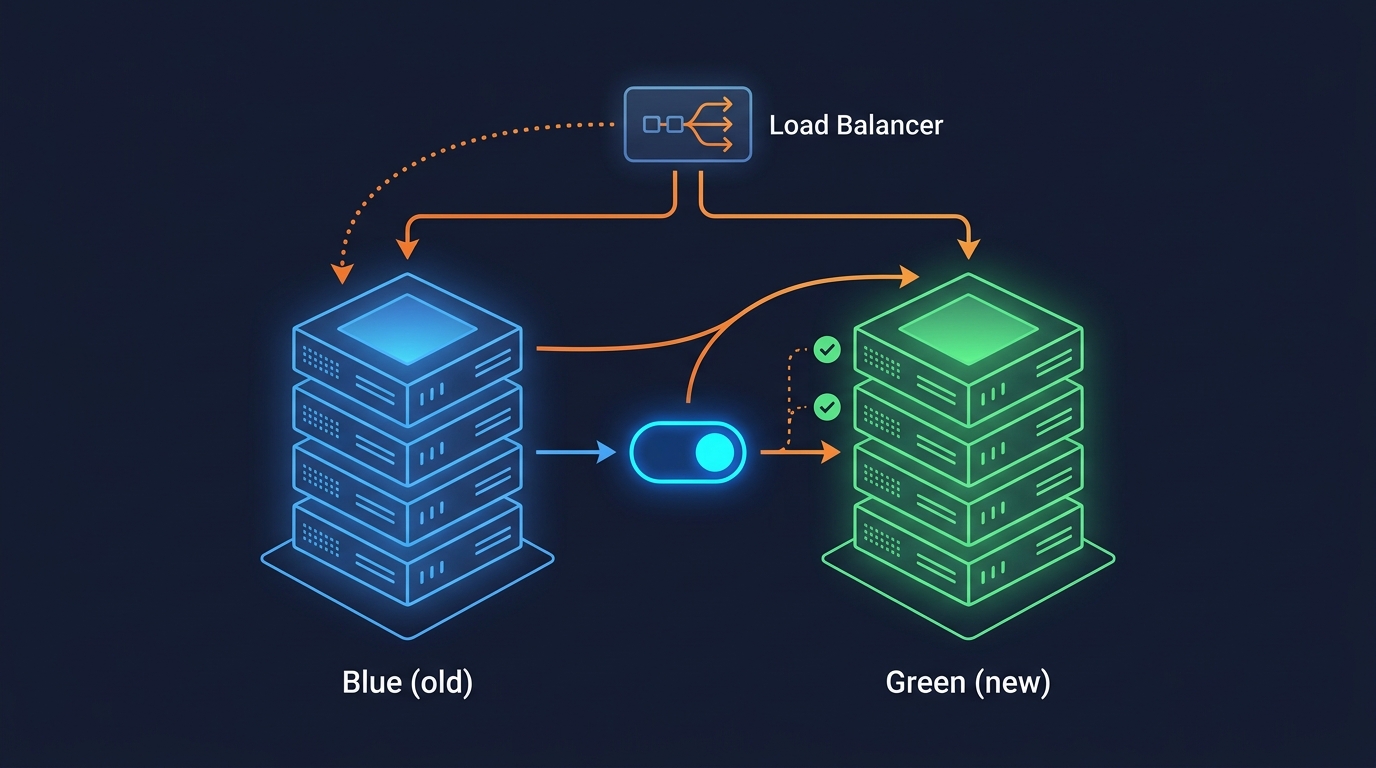
Blue/green deployments eliminate downtime by running two identical production environments. Traffic switches from blue (old) to green (new) instantly. This guide covers CodeDeploy automation, health check validation, and rollback strategies for zero-downtime releases on AWS ECS.
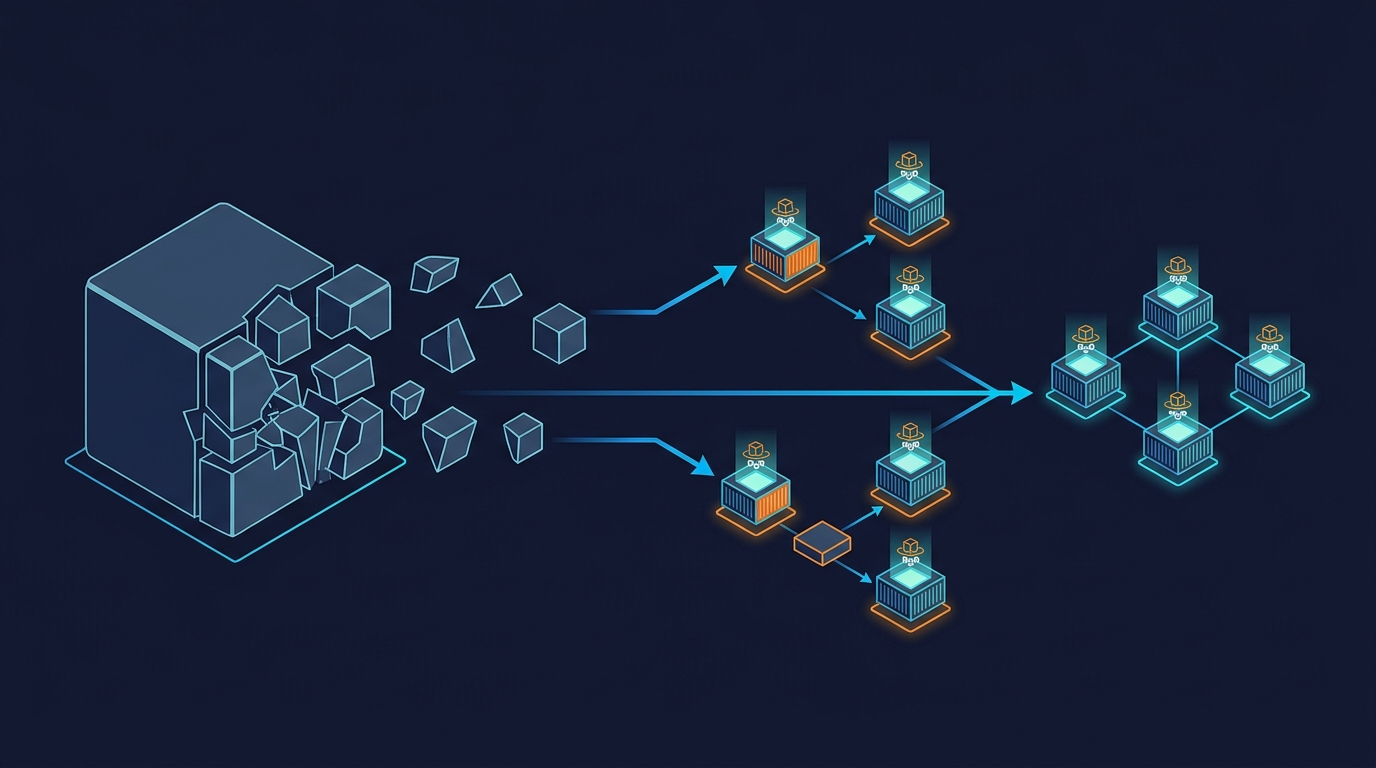
Migrating a monolith from on-premises or EC2 to ECS Fargate enables containerization and serverless compute. This guide covers zero-downtime migration: deploying containers, gradual traffic shifting, and rollback strategies.
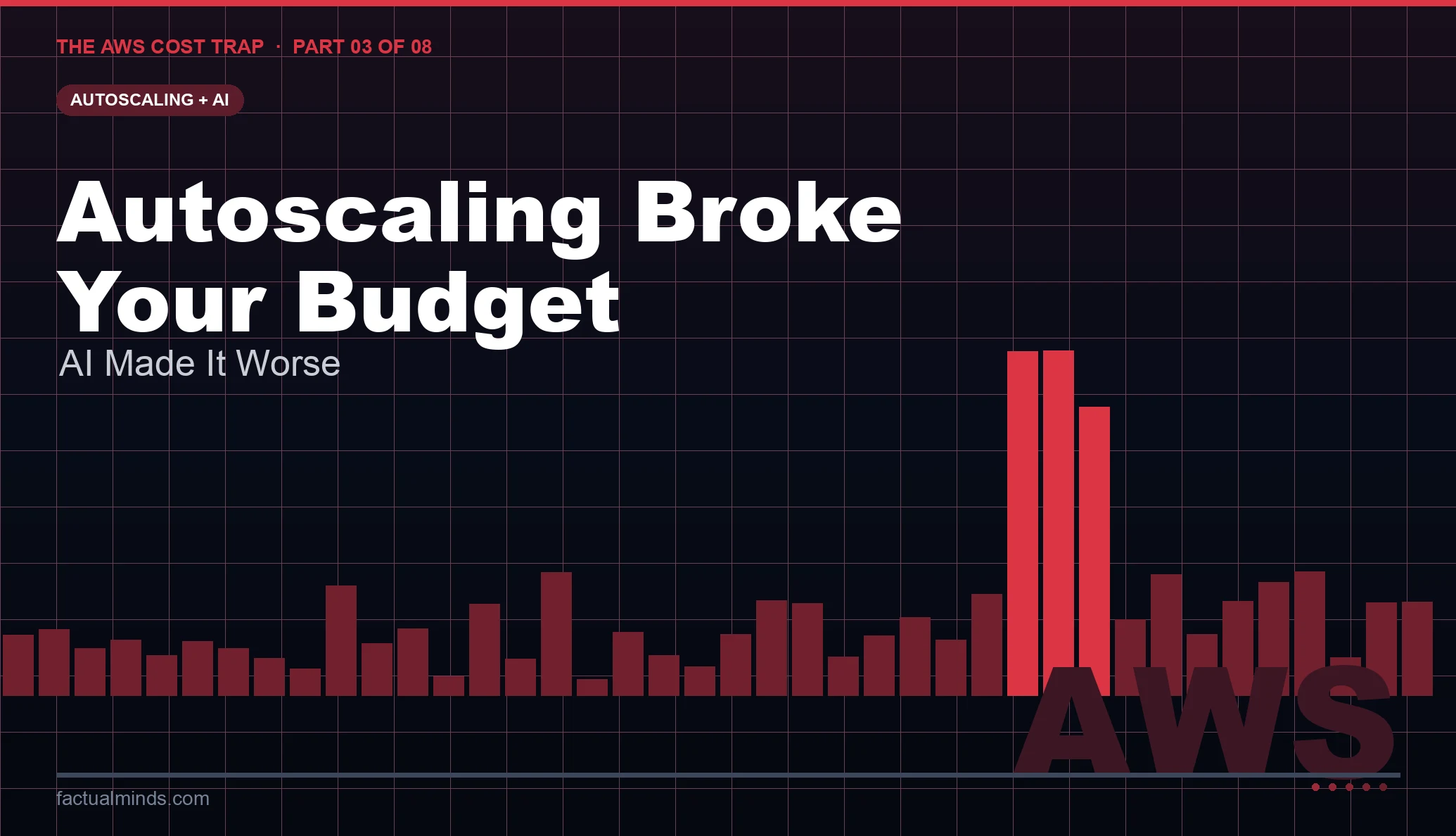
Autoscaling was supposed to make costs predictable by matching capacity to demand. Instead, it introduced feedback loops, burst amplification, and — with AI workloads — a new class of non-deterministic spend that no scaling policy anticipates.
AWS surprise bills from autoscaling follow a small set of repeatable failure patterns: feedback loops, scale-out without scale-in, burst amplification from misconfigured metrics, and commitment mismatches after scaling events. Each pattern has a specific fix.
A B2B SaaS stack that costs $500/month at launch does not need to cost $50,000/month at 100,000 users if the architecture decisions at each stage are deliberate. This is the end-to-end reference architecture with real cost numbers.
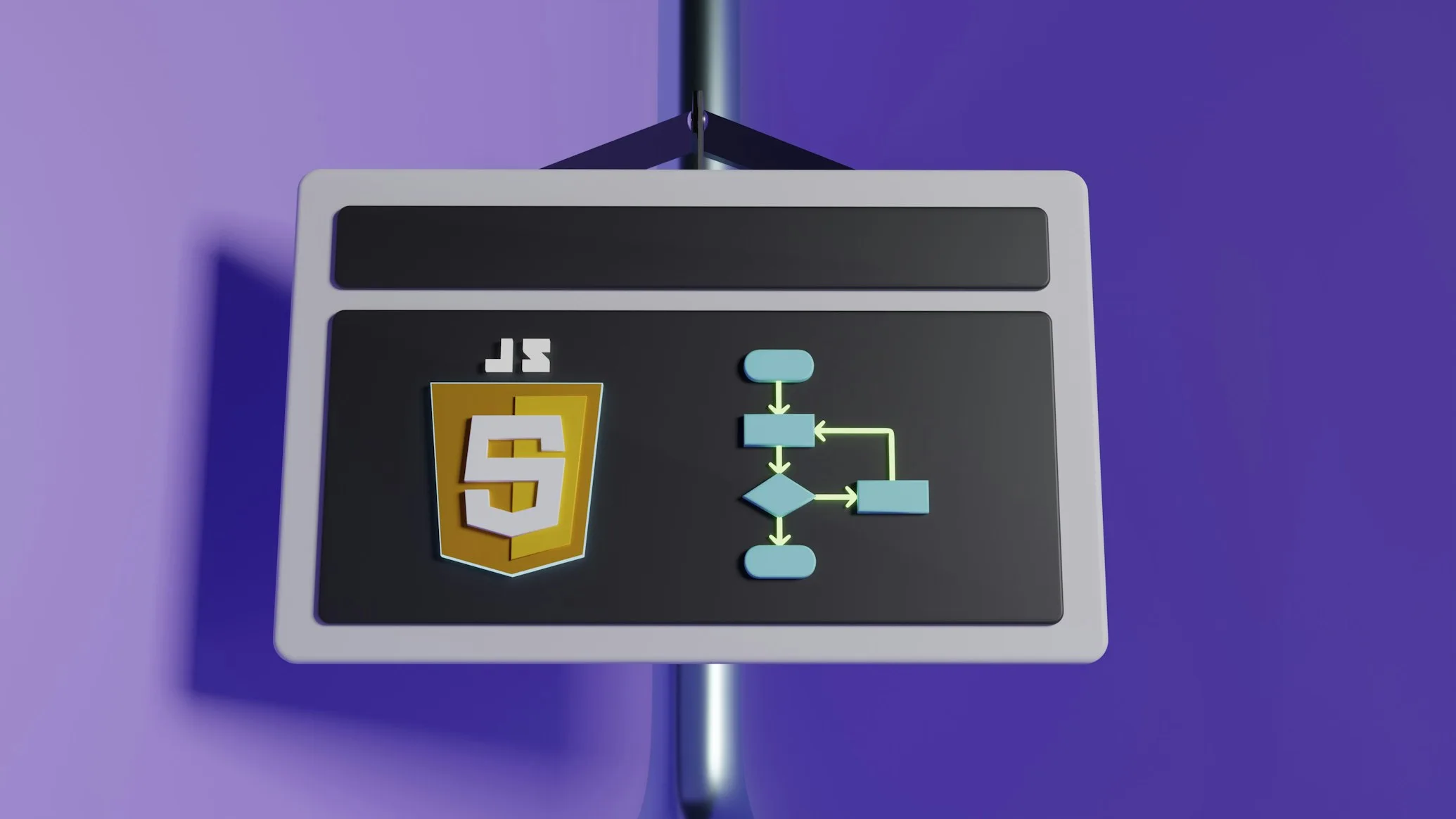
FrankenPHP, Nginx+PHP-FPM, Node.js, Python Gunicorn+uvicorn, and Go each have different memory profiles, concurrency models, and failure modes. The right choice depends on your workload, not benchmarks.
A deep technical guide to running PHP, Python, and Node.js applications on Amazon ECS in production — covering Fargate vs EC2, FrankenPHP vs Nginx+FPM, multi-container task patterns, zero-downtime deployments, and observability.
PHP-FPM, Node.js, Python, and Go have fundamentally different concurrency models. Tuning each runtime for high concurrency on ECS requires understanding the model, not just copying configuration values from Stack Overflow.
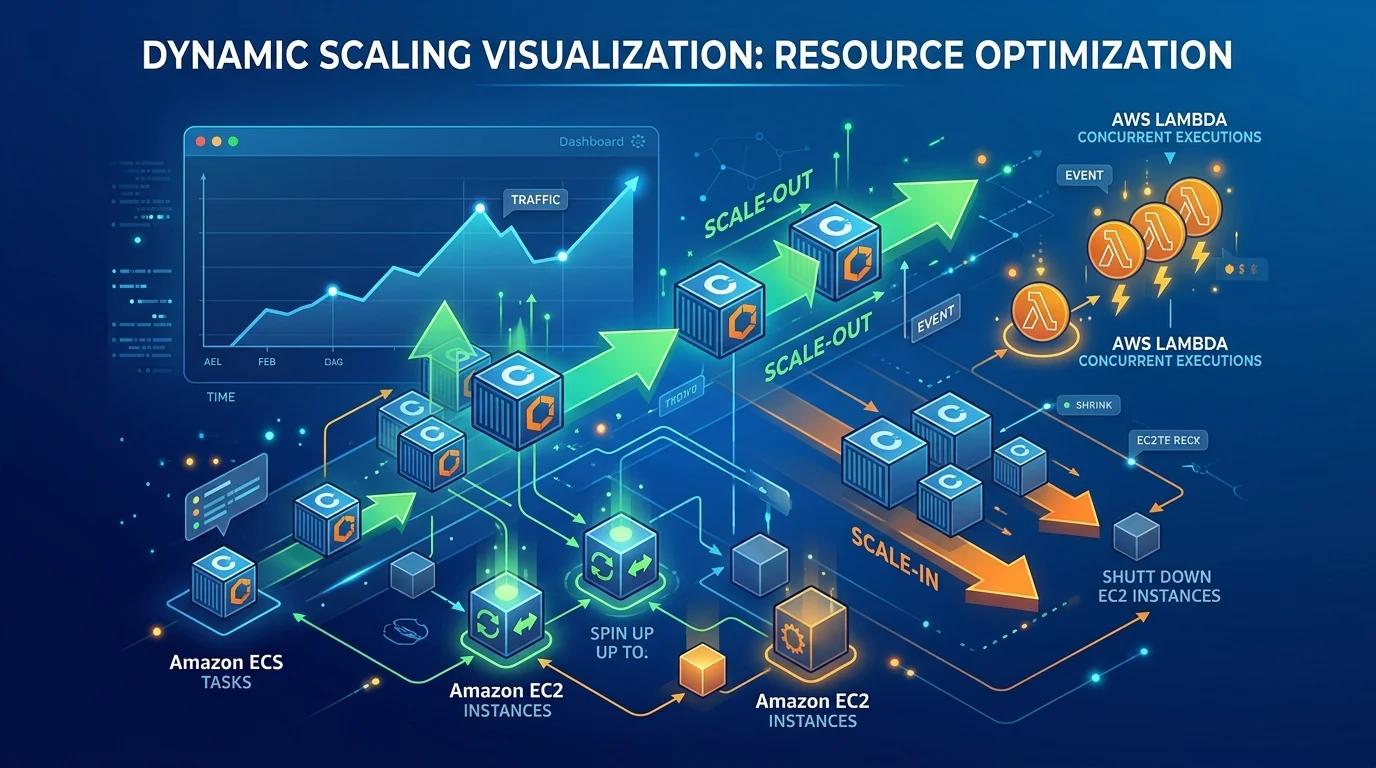
A practical guide to AWS auto scaling — target tracking, step scaling, scheduled scaling, predictive scaling, and the strategies that balance performance, availability, and cost across EC2, ECS, and Lambda workloads.
A practical comparison of Amazon ECS and EKS for container orchestration — covering architecture, operational complexity, cost, and decision criteria for choosing the right service.
We use cookies and similar technologies to analyze site traffic, personalize content, and provide social media features. By clicking "Accept," you consent to our use of cookies. You can adjust your preferences at any time.