HTTP vs WebSockets, API Gateway Stages, and Versioning Strategies That Survive Deprecation
Quick summary: July 2026: API Gateway REST integrations still default to a 29s timeout (quota increases possible for Regional/private); WebSockets bill per message and connection minute — bake both into SLOs before picking protocols.
Key Takeaways
- On July 19, 2026, Amazon API Gateway still differentiates REST, HTTP, and WebSocket APIs with different billing and timeout surfaces
- For pattern coverage beyond this note, see our existing API Gateway REST/HTTP/WebSocket patterns article; this field note focuses on decision tension and versioning that survives deprecation
- Reproduce this — Versioning checklist template: HTTP (request/response) when it wins Default for CRUD JSON, cache-friendly GETs, and stateless authentication (JWT/OAuth)
- Pair with: - AWS WAF on regional APIs or CloudFront distributions (WAF beyond basics)
- Versioning strategies (opinionated) Pick one primary signal: 1
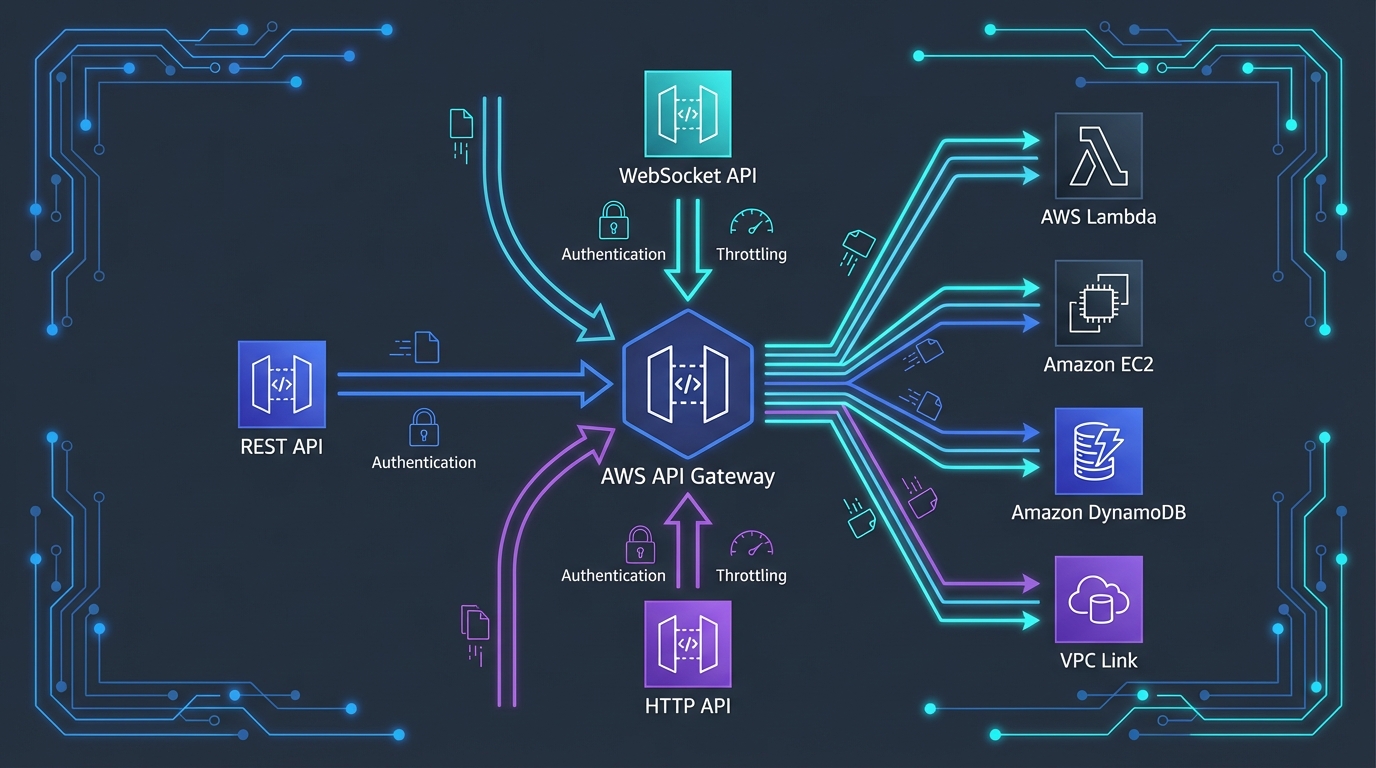
Table of Contents
On July 19, 2026, Amazon API Gateway still differentiates REST, HTTP, and WebSocket APIs with different billing and timeout surfaces. The number that still shocks architecture reviews: REST integrations default to a 29-second maximum (50 ms–29 s configurable); you can request a quota increase above 29s for Regional and private REST APIs only, often with throttle trade-offs. Until that quota lands, long-running work must go async or to a compute plane with different timeout controls.
For pattern coverage beyond this note, see our existing API Gateway REST/HTTP/WebSocket patterns article; this field note focuses on decision tension and versioning that survives deprecation.
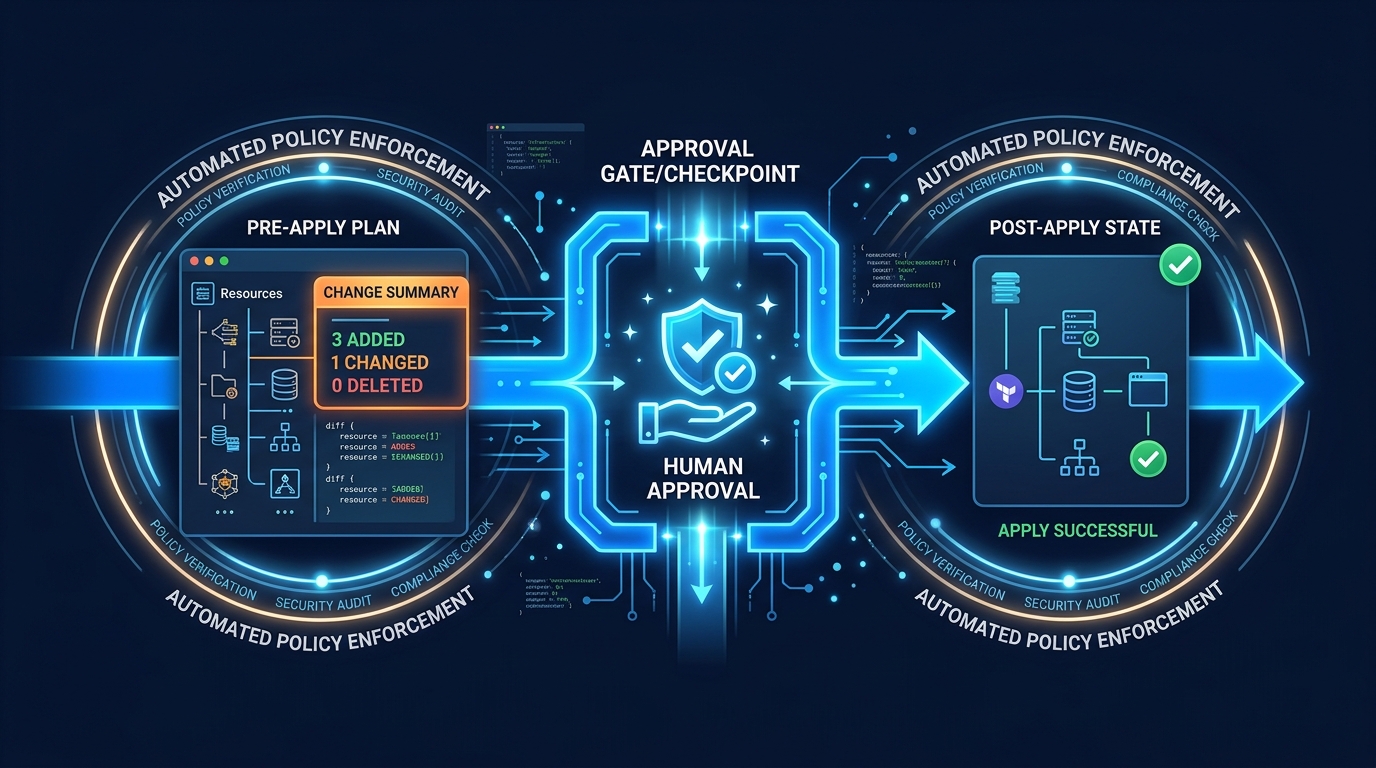
Reproduce this — Versioning checklist template:
examples/architecture-blog-2026/api-design/versioning-conventions.md
HTTP (request/response) when it wins
Default for CRUD JSON, cache-friendly GETs, and stateless authentication (JWT/OAuth). Pair with:
- AWS WAF on regional APIs or CloudFront distributions (WAF beyond basics).
- IAM/authorizers aligned to least privilege (IAM best practices).
WebSockets when they win
Choose WebSockets when:
- The server must push many small updates (tick data, collaborative editing).
- You accept stateful connection troubleshooting (stale connections, proxy idle timeouts).
Costs accrue per message and connection-minute—model them before broadcasting chat-scale fan-out.
Avoid WebSockets when mobile networks and corporate proxies make long-lived ports flaky without a fallback polling path.
AppSync (GraphQL + subscriptions)
When your clients need flexible reads and subscription channels with managed auth integration, AWS AppSync often beats hand-rolled GraphQL on Lambda—evaluate resolver heat and caching separately from REST gateway pricing.
Versioning strategies (opinionated)
Pick one primary signal:
- URL prefix (
/v2026-05/...) — blunt, CDN-friendly, easy WAF paths. - Header contract (
Acceptvendor MIME) — avoids URL churn; demands consistent observability tags. - Stage-based (
prod,canary) — operational, not semantic versioning alone—pair with semantic headers or URLs so customers know what they parse.
Opinionated take — Public third-party APIs should ship URL major versions and publish Sunset headers (RFC 8594) even if you love headers internally. External developers grep paths, not MIME types, at 2 AM.
What broke: the “silent deprecation”
An internal team deleted a stage believing it unused. Mobile clients still referenced the stage URL embedded in a legacy binary. Error budgets burned before anyone correlated 403/404 spikes with an infrastructure changefront.
Fix: deprecation registers + synthetic clients + minimum N+2 release overlap before decommission.
For service decomposition context, contrast with microservices vs monolith on AWS.
What This Post Doesn’t Cover
- VPC Lattice service networking vs API Gateway—different abstraction (service mesh vs edge HTTP).
- Istio/Envoy on EKS — see service mesh articles if east-west mTLS dominates.
If You Only Do One Thing
Attach per-route CloudWatch metrics (4xx/5xx, integration latency) to the same dashboard as client release versions parsed from headers you already log.
What to Do This Week
- Inventory all
execute-apistage URLs in mobile binaries and partner PDFs; anything not in Terraform gets a ticket. - Confirm every >10s synchronous integration has an SQS/Step Functions exit before API Gateway timeout cliffs.
- Add WAF rate-based rules to public WebSocket $connect routes if you have not already—credential stuffing loves connect storms.
When ingress tuning intersects Lambda cold paths, cross-read ingress and cold-start field notes.
AWS Cloud Architect & AI Expert
AWS-certified cloud architect and AI expert with deep expertise in cloud migrations, cost optimization, and generative AI on AWS.