AWS Bedrock vs OpenAI API: Enterprise Decision Guide 2026
Quick summary: Choose between AWS Bedrock and OpenAI API for enterprise generative AI. Compare pricing, compliance, latency, and feature trade-offs.
Key Takeaways
- Choose between AWS Bedrock and OpenAI API for enterprise generative AI
- Choose between AWS Bedrock and OpenAI API for enterprise generative AI
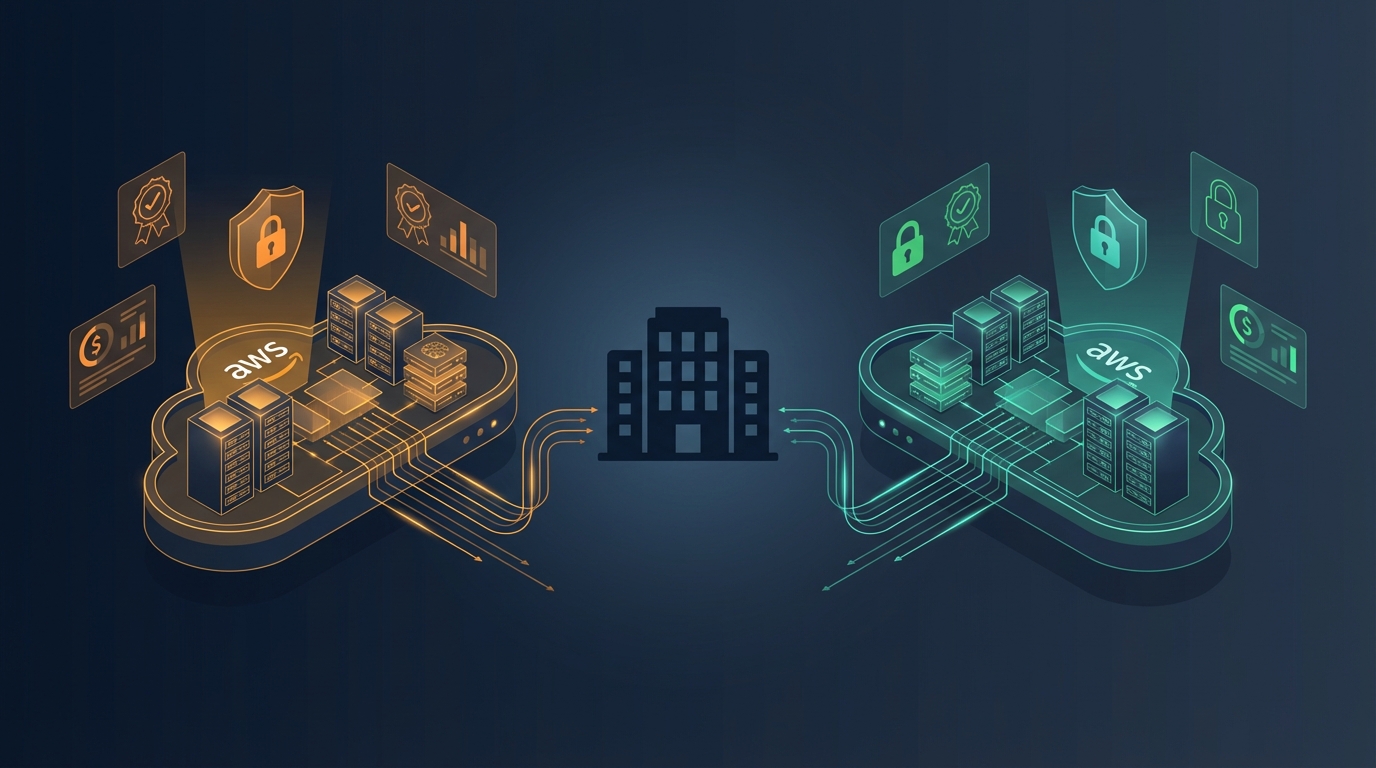
Table of Contents
The Choice: Bedrock vs OpenAI for Enterprise
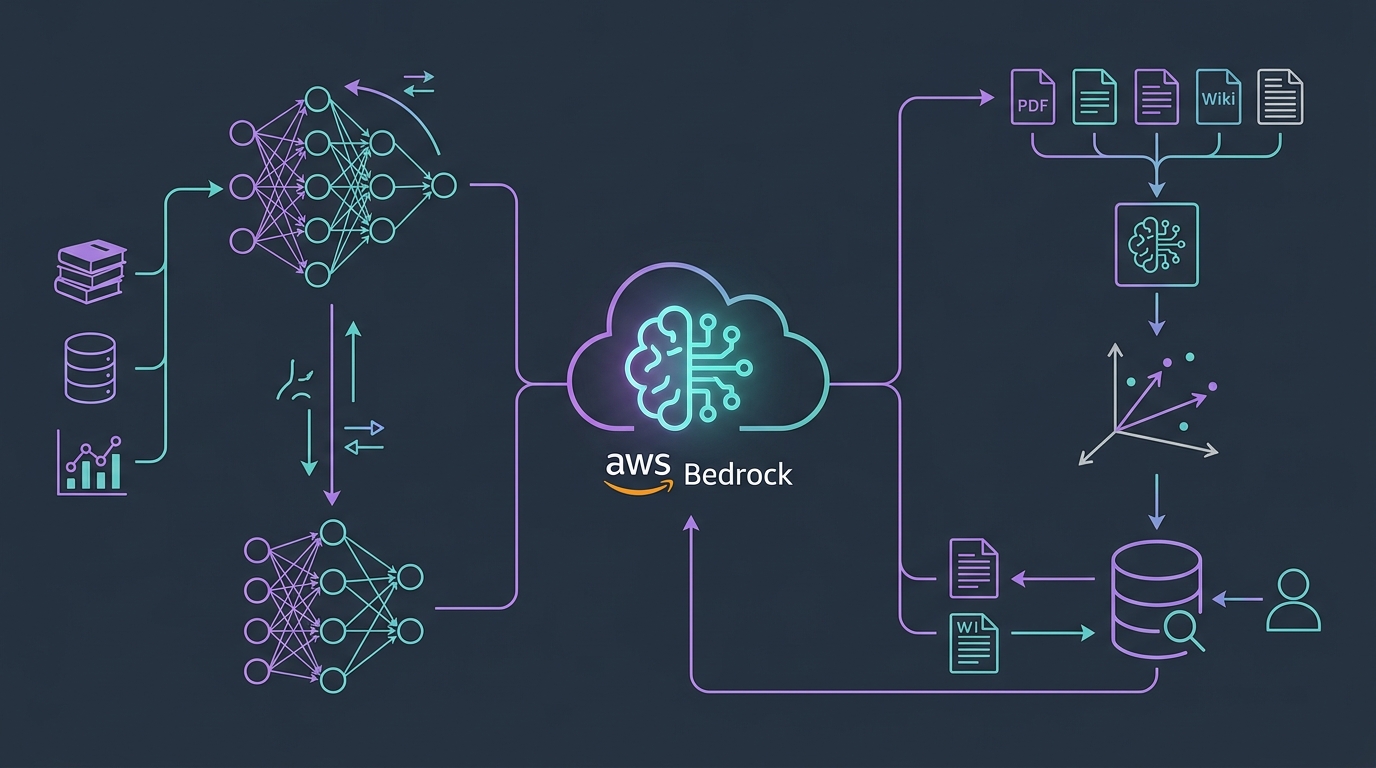
Both AWS Bedrock and OpenAI API provide access to generative AI models. Bedrock hosts multiple models (Claude, Llama, Mistral). OpenAI provides GPT-4 and GPT-3.5 via their API. The decision depends on your use case: compliance requirements, cost, model preference, and vendor lock-in tolerance.
Pricing Comparison
OpenAI API
- GPT-3.5: $0.5 input / $1.5 output per 1M tokens
- GPT-4: $3 input / $6 output per 1M tokens
- GPT-4o: $2.5 input / $10 output per 1M tokens
Bedrock
- Claude 3.5 Sonnet: $3 input / $15 output per 1M tokens
- Claude 3 Opus: $3 input / $15 output per 1M tokens
- Llama 3.1 70B: $0.99 input / $1.59 output per 1M tokens
Cost Example: 10M tokens/month
- OpenAI GPT-4o: ~$25/month (typical usage)
- Bedrock Claude 3.5: ~$30/month (typical usage)
- Similar pricing; model choice matters more than platform
Compliance & Data Privacy
AWS Bedrock
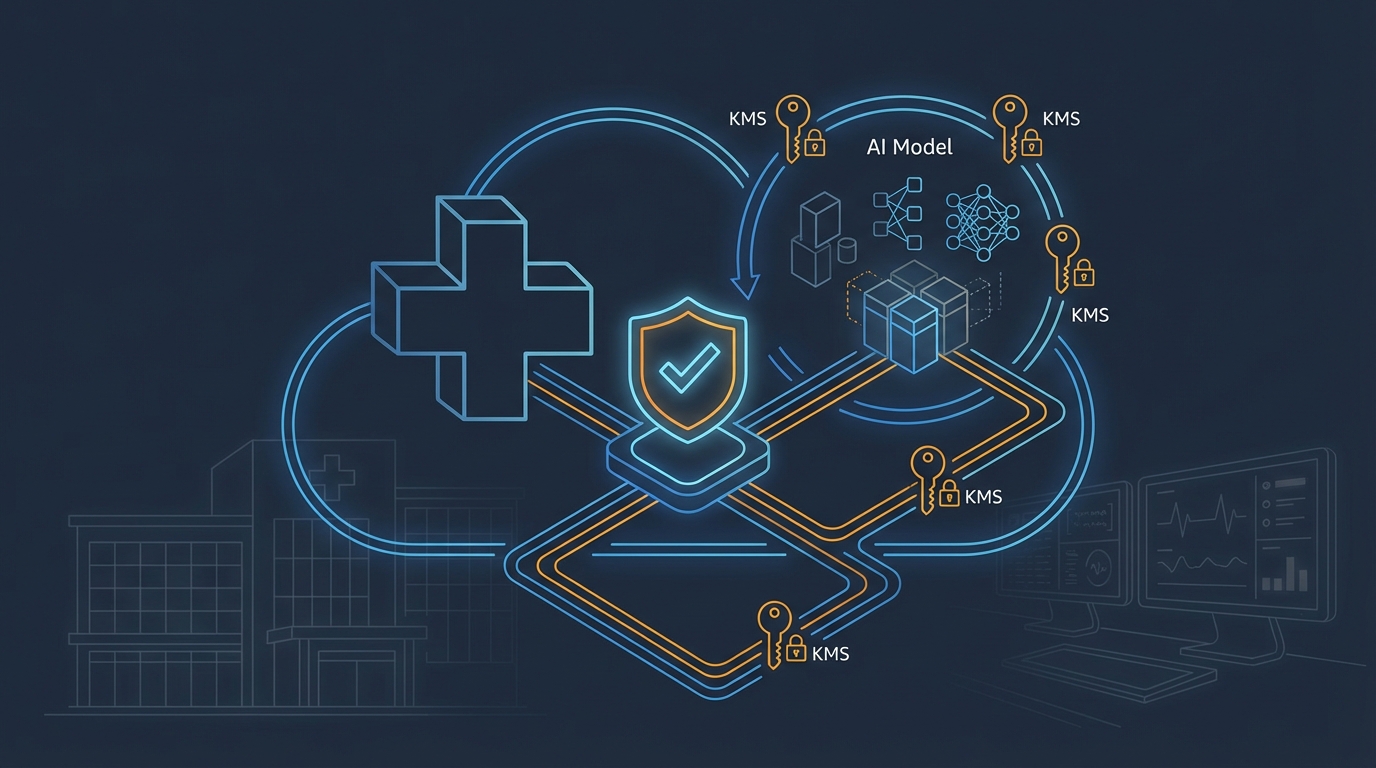
- HIPAA-eligible (with BAA)
- SOC 2 Type II certified
- FedRAMP in-process
- Data processed in your AWS account
- No data shared with Anthropic (Claude owner) for training
OpenAI API
- NOT HIPAA-eligible
- NOT SOC 2 compliant (as of 2026)
- Data sent to OpenAI servers in US
- Cannot use for patient data, financial data, classified information
Winner: Bedrock for regulated industries
- Healthcare: Bedrock only
- Government/Defense: Bedrock only (FedRAMP coming)
- Finance (with PII): Bedrock only
- SaaS with customer data: either, but Bedrock safer
Model Performance & Capability
OpenAI Advantage
- GPT-4o state-of-the-art reasoning
- Best for coding, math, complex analysis
- Continuous model improvements
- Largest user community
Bedrock Advantage
- Multiple model options (Claude, Llama, Mistral)
- Claude excellent for nuanced tasks, less toxicity
- Llama open-source friendly
- Choose model for your specific use case
Use Case Matching
- Complex code generation? GPT-4 on OpenAI
- Customer support chatbots? Claude on Bedrock
- Multi-language? Llama on Bedrock
- General assistant? Either works
Integration & Operational Considerations
Bedrock
- Native AWS service (console, CLI, SDK)
- Integrates with Lambda, SageMaker, AppSync
- Same region as other AWS services (low latency)
- IAM auth built-in
OpenAI
- Third-party API (separate auth)
- Works anywhere (cloud-agnostic)
- No vendor lock-in to AWS
- Simpler integration for multi-cloud
Vendor Lock-In
Bedrock Risk
- Using Claude on Bedrock ties you to AWS
- Switching to Anthropic API directly requires code changes
- Model format locked to Bedrock
- But: can use Llama, Mistral (open-source alternatives)
OpenAI Risk
- Using OpenAI API ties you to OpenAI
- If OpenAI raises prices, limited alternatives
- Different pricing model than Bedrock
- But: complete independence from cloud provider
Decision Matrix
Use Bedrock if:
- Healthcare, government, finance (compliance required)
- Already on AWS (native integration)
- Want cost control (multiple model options)
- Need compliance certifications
Use OpenAI if:
- Best-in-class model performance critical
- Multi-cloud strategy
- No compliance requirements
- Willing to use OpenAI directly
Use Both if:
- Enterprise with compliance + performance needs
- Route sensitive data to Bedrock (Claude)
- Route general queries to OpenAI (GPT-4)
- Accept operational complexity
Bottom Line
For most enterprises, AWS Bedrock with Claude is the safe choice: HIPAA-eligible, integrated with AWS, competitive pricing, strong performance. For best-in-class AI performance without compliance needs, OpenAI GPT-4 is still the gold standard. Many enterprises use both: Bedrock for compliance-sensitive tasks, OpenAI for best performance on general tasks.
AWS Cloud Architect & AI Expert
AWS-certified cloud architect and AI expert with deep expertise in cloud migrations, cost optimization, and generative AI on AWS.