palaniappan p2 min
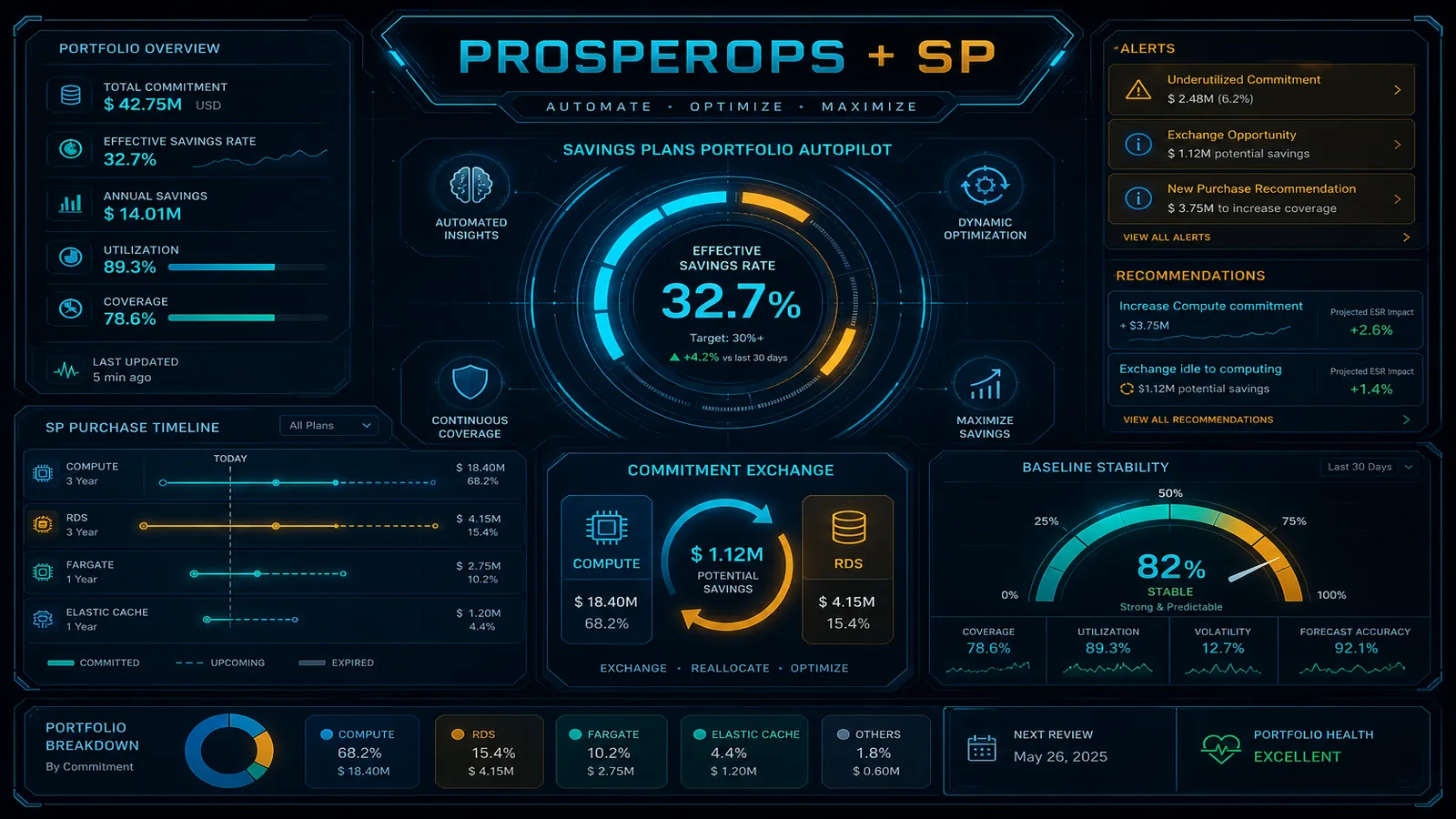
ProsperOps on AWS: Automation vs Commitment Strategy
Implement ProsperOps on AWS — Savings Plans automation works best after baseline modeling and architecture stability. Production checklist included.

Tagged
Implement ProsperOps on AWS — Savings Plans automation works best after baseline modeling and architecture stability. Production checklist included.
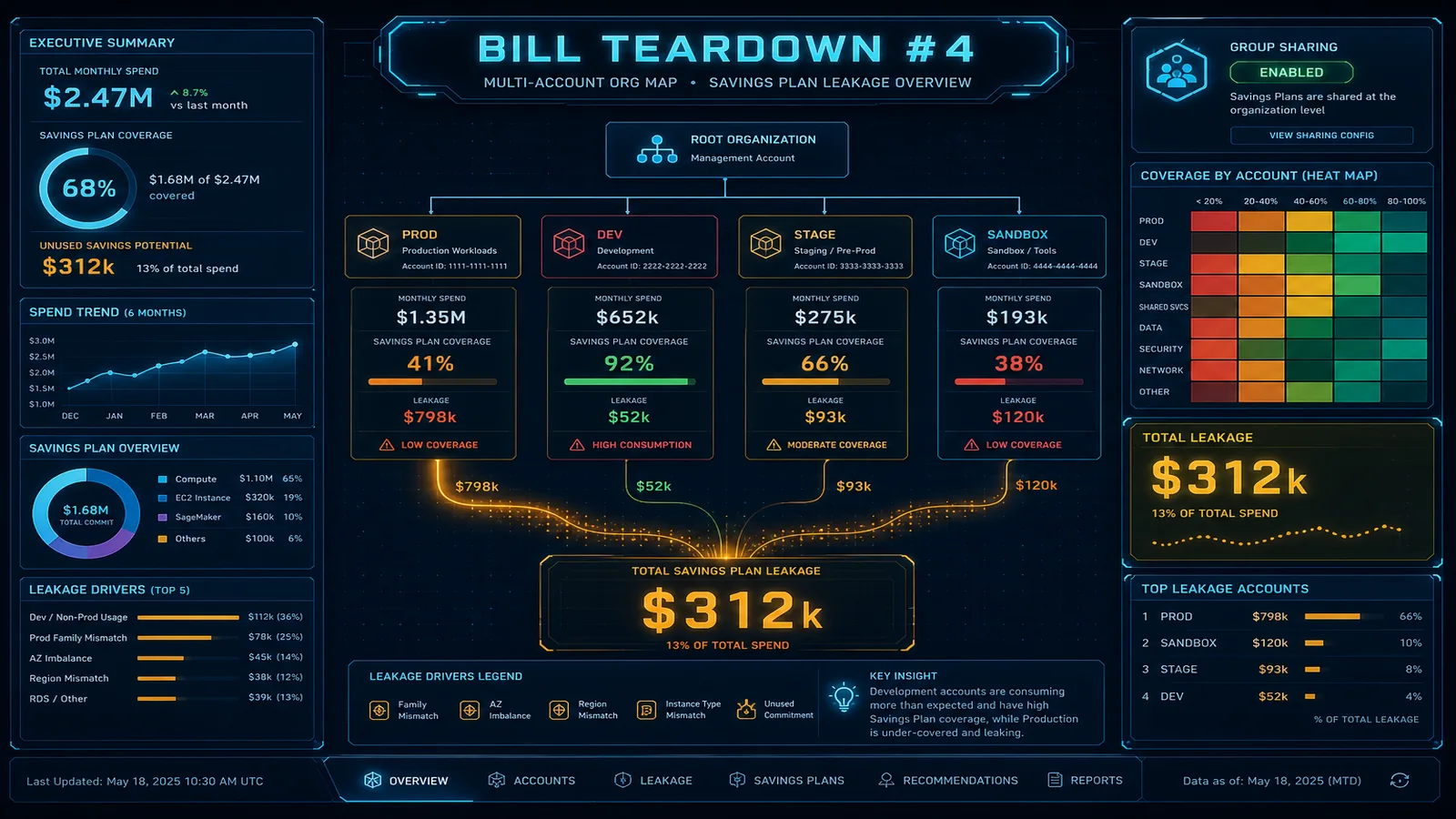
A 22-account AWS Organization spent $1.1M/yr on Compute Savings Plans but applied only 61% to production — dev sandboxes burned the commit while prod stayed On-Demand. Group Sharing (April 2026) fixed attribution; the waste was $312k/yr before they restructured purchases.
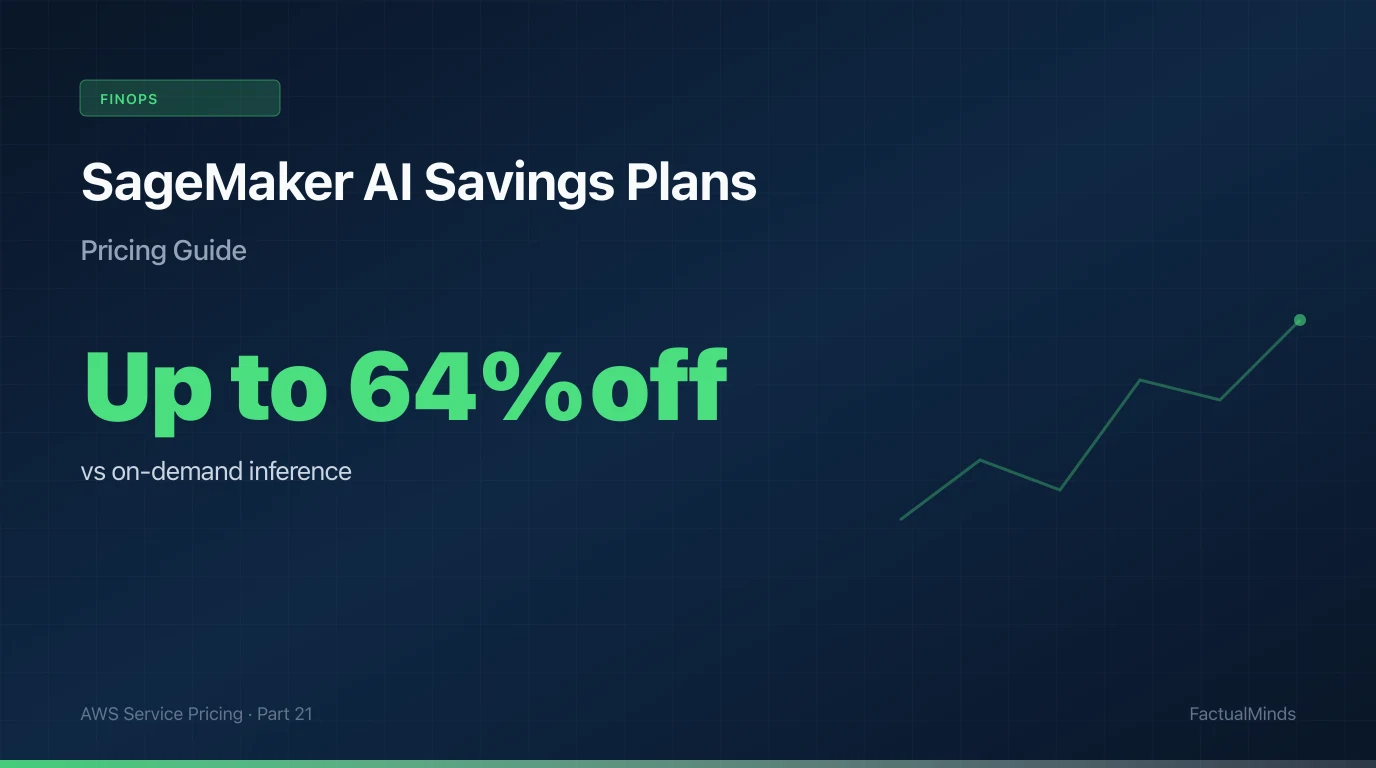
SageMaker AI Savings Plans deliver up to 64% off SageMaker training, real-time inference, async inference, serverless inference, and processing jobs in exchange for 1-year or 3-year hourly commitment. Compute Savings Plans do NOT cover SageMaker — this is a separate purchase. The break-even is dramatically faster than RI-style commits for steady ML production workloads.
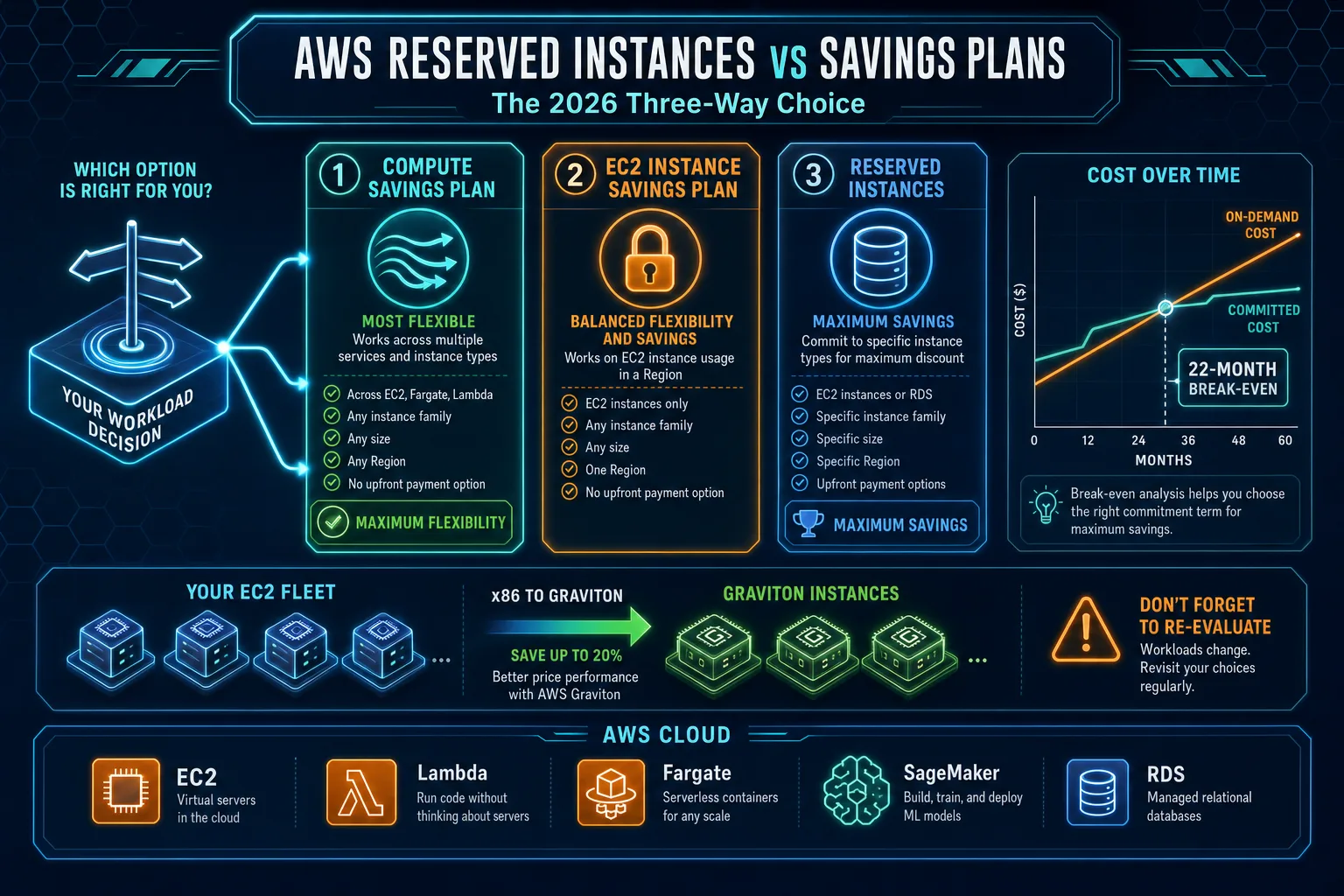
Most "RI vs Savings Plan" content treats them as peers. In mid-2026 they are not. A 3-year All-Upfront Compute Savings Plan saves a composite ~$60k/mo SaaS roughly $864k over 3 years vs a 1-year No-Upfront plan—but breaks even at ~22 months and locks instance-family flexibility. Buy the wrong commitment and a Graviton migration strands the discount. Here is the decision tree we use.
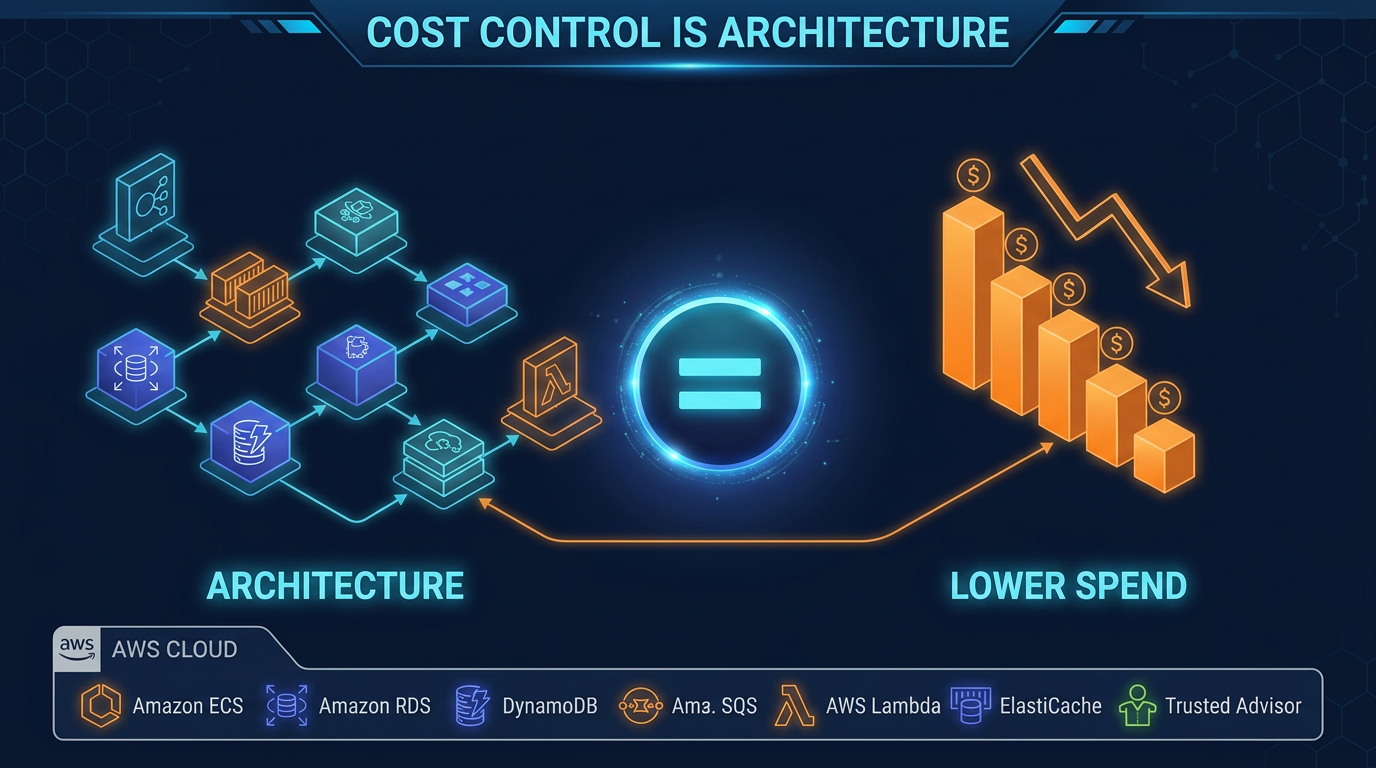
Savings Plans and Reserved Instances reduce the rate you pay. Architecture determines the volume you pay at. The most durable cost reductions in AWS come from designing systems that structurally generate less spend — not from negotiating a lower price for the same behavior.