Karpenter vs Cluster Autoscaler: EKS Node Cost Optimization in 2026
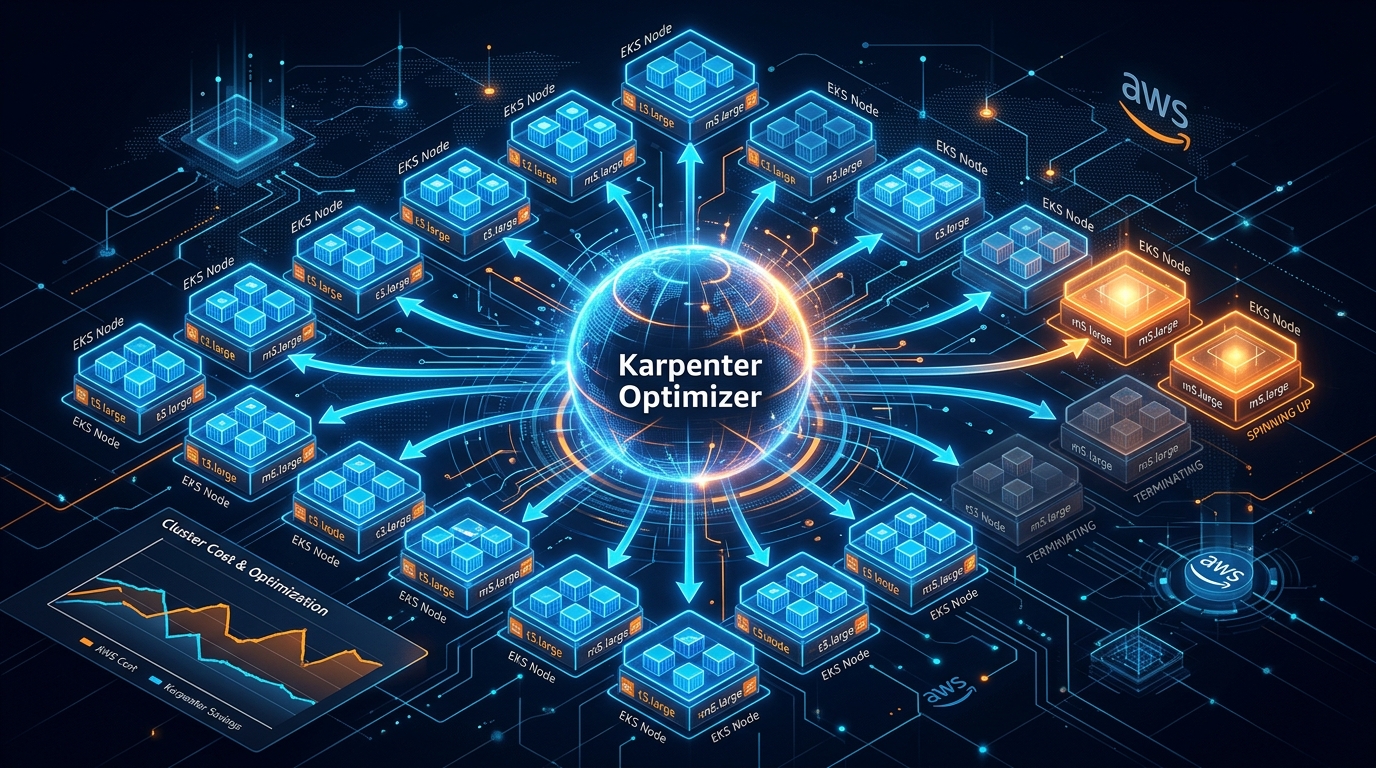
Karpenter vs Cluster Autoscaler on EKS: consolidation + flexible NodePools beat half-empty ASG nodes. July 2026: karpenter.sh/v1, WhenEmptyOrUnderutilized, Spot mix checklist.

Tagged
Karpenter vs Cluster Autoscaler on EKS: consolidation + flexible NodePools beat half-empty ASG nodes. July 2026: karpenter.sh/v1, WhenEmptyOrUnderutilized, Spot mix checklist.
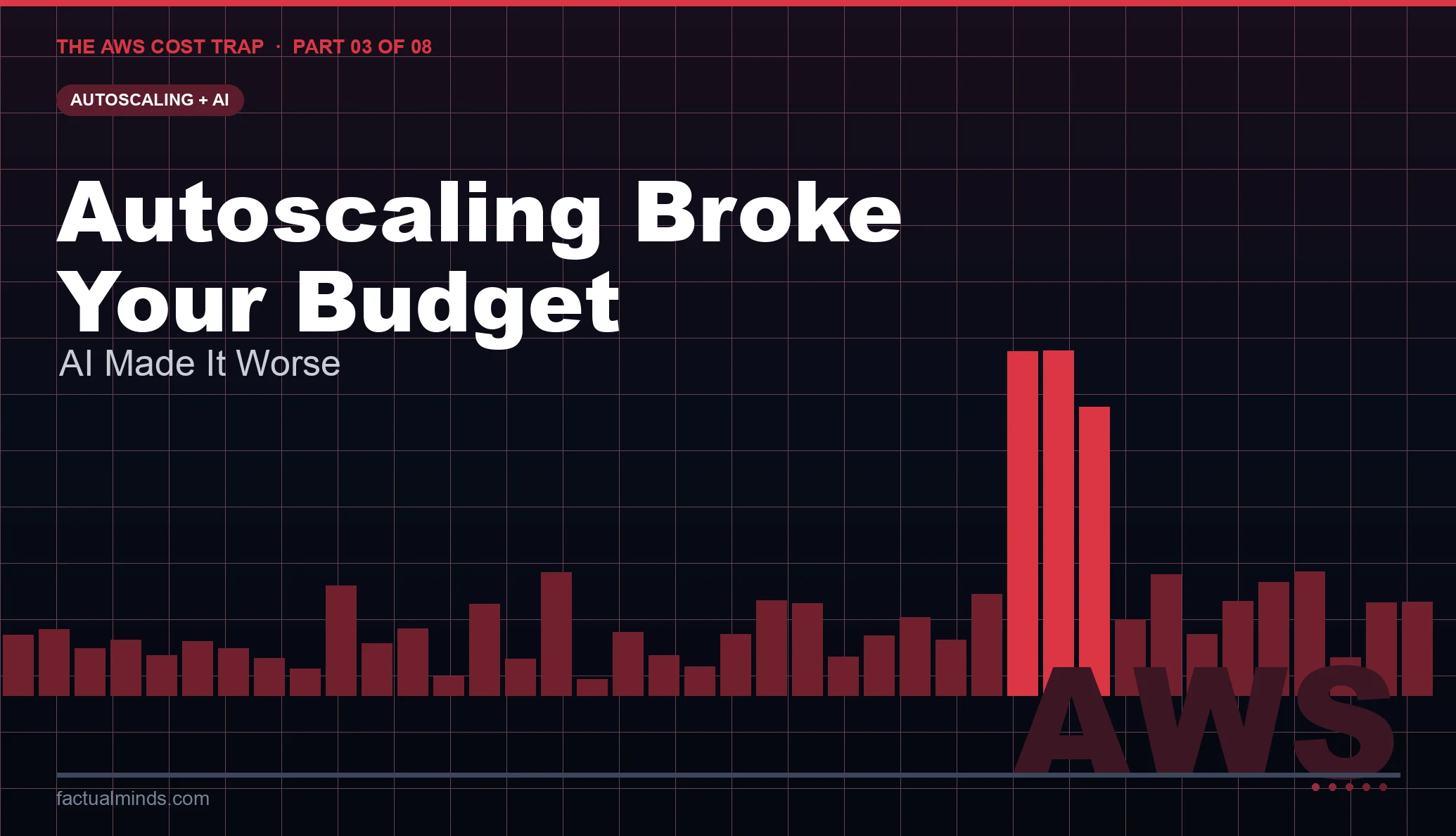
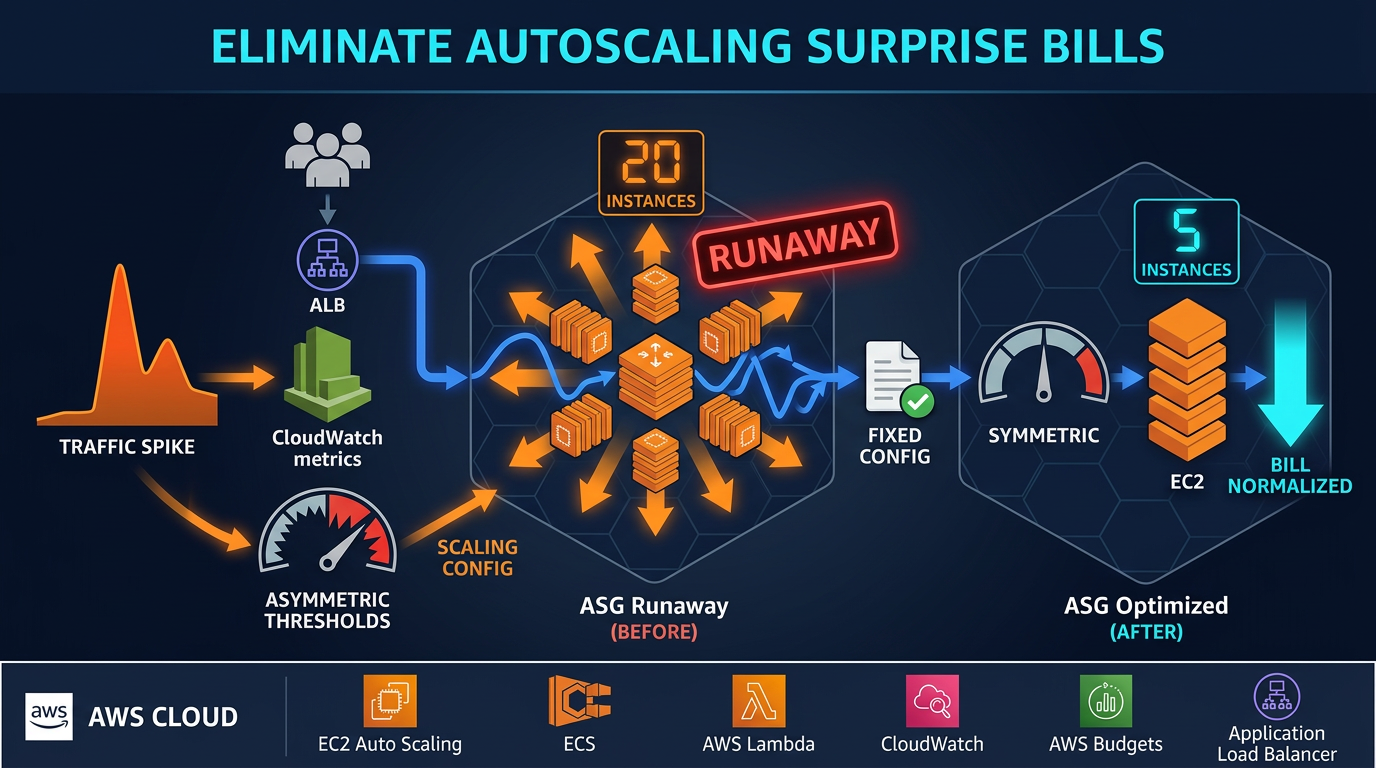
Autoscaling was supposed to make costs predictable by matching capacity to demand. Instead, it introduced feedback loops, burst amplification, and, with AI workloads, a new class of non-deterministic spend that no scaling policy anticipates.
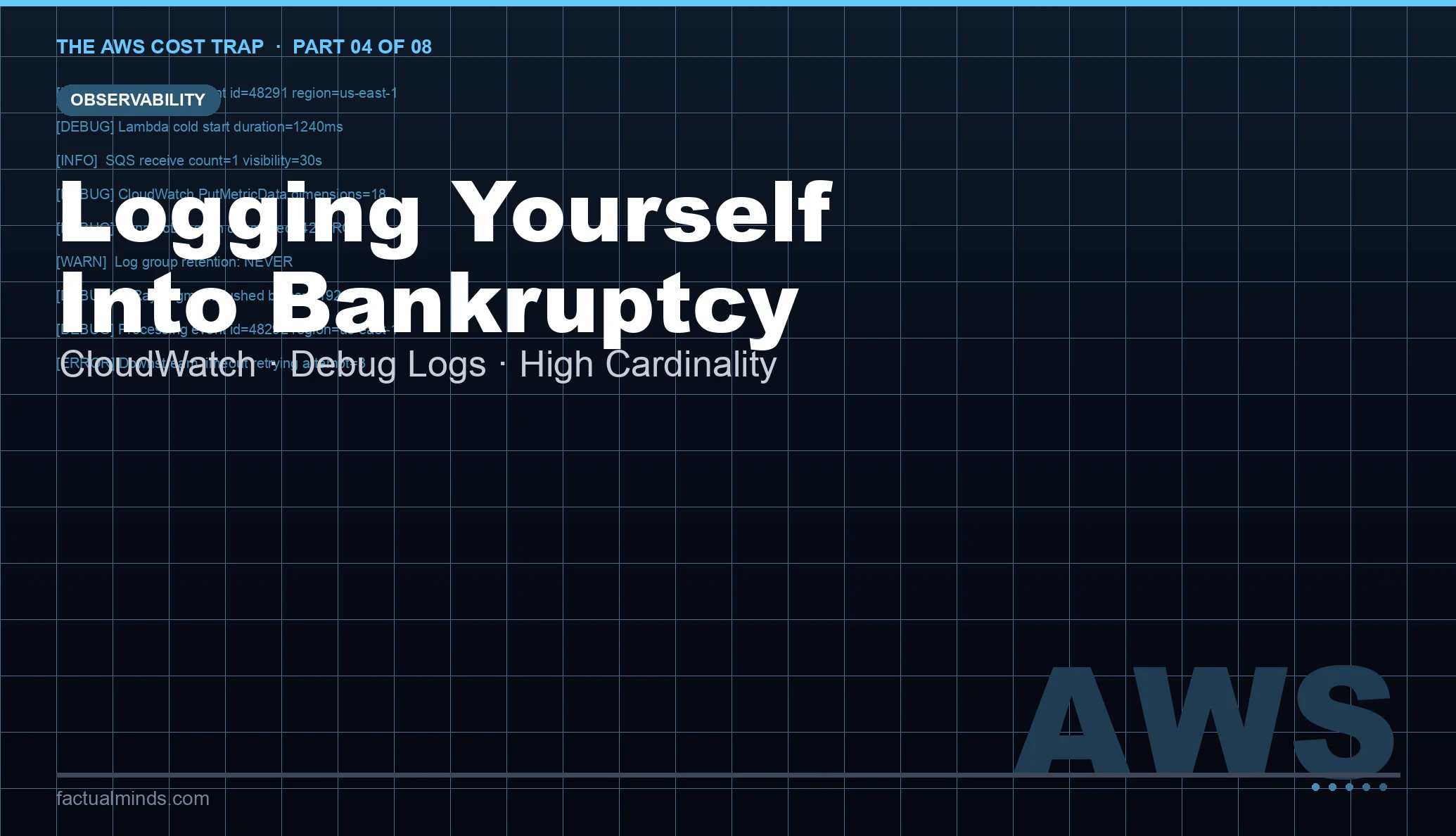
Observability has a cost, and the industry has collectively underpriced it. CloudWatch log ingestion, metrics explosion, and X-Ray trace volume can together exceed your compute bill, especially once AI workloads introduce high-cardinality telemetry at scale.
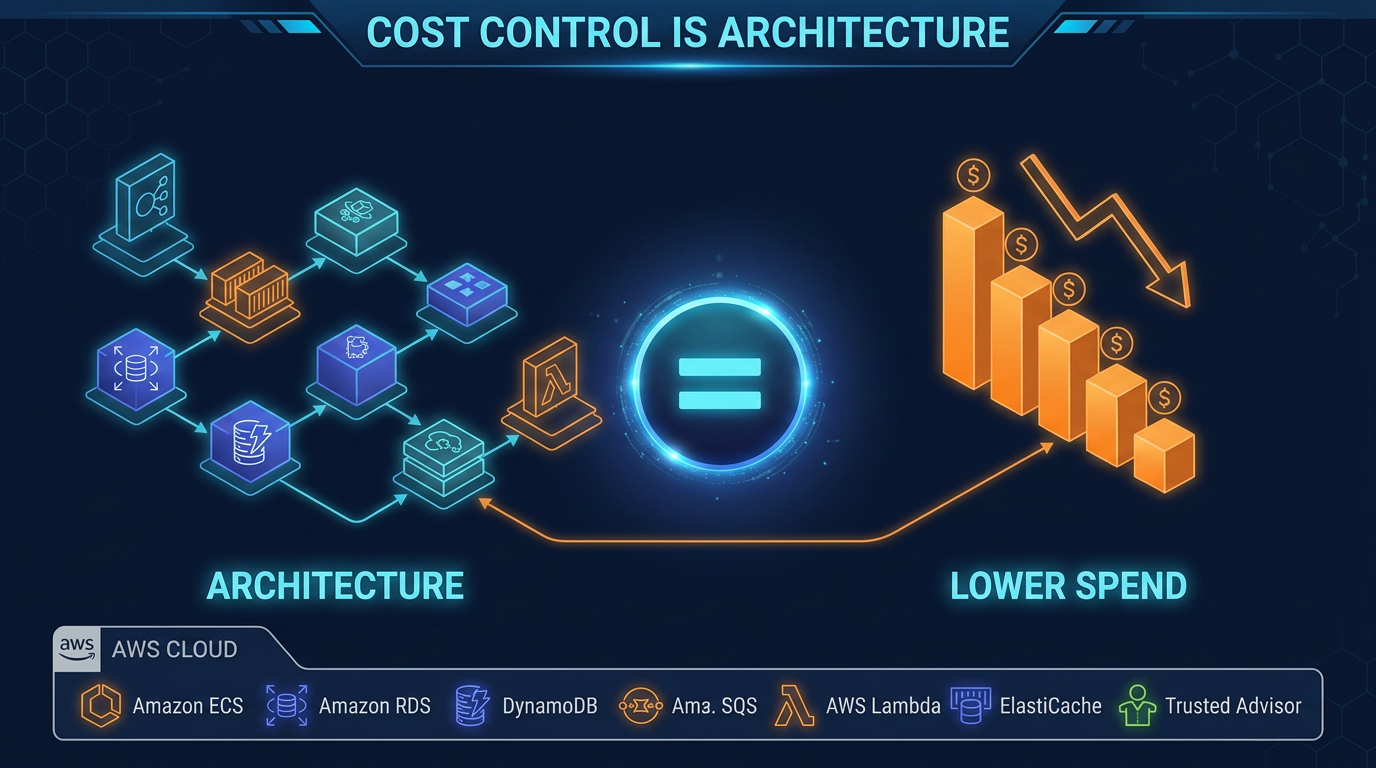
Savings Plans and Reserved Instances reduce the rate you pay. Architecture determines the volume you pay at. The most durable cost reductions in AWS come from designing systems that generate less spend, and negotiating a lower price for the same behavior does not achieve that.
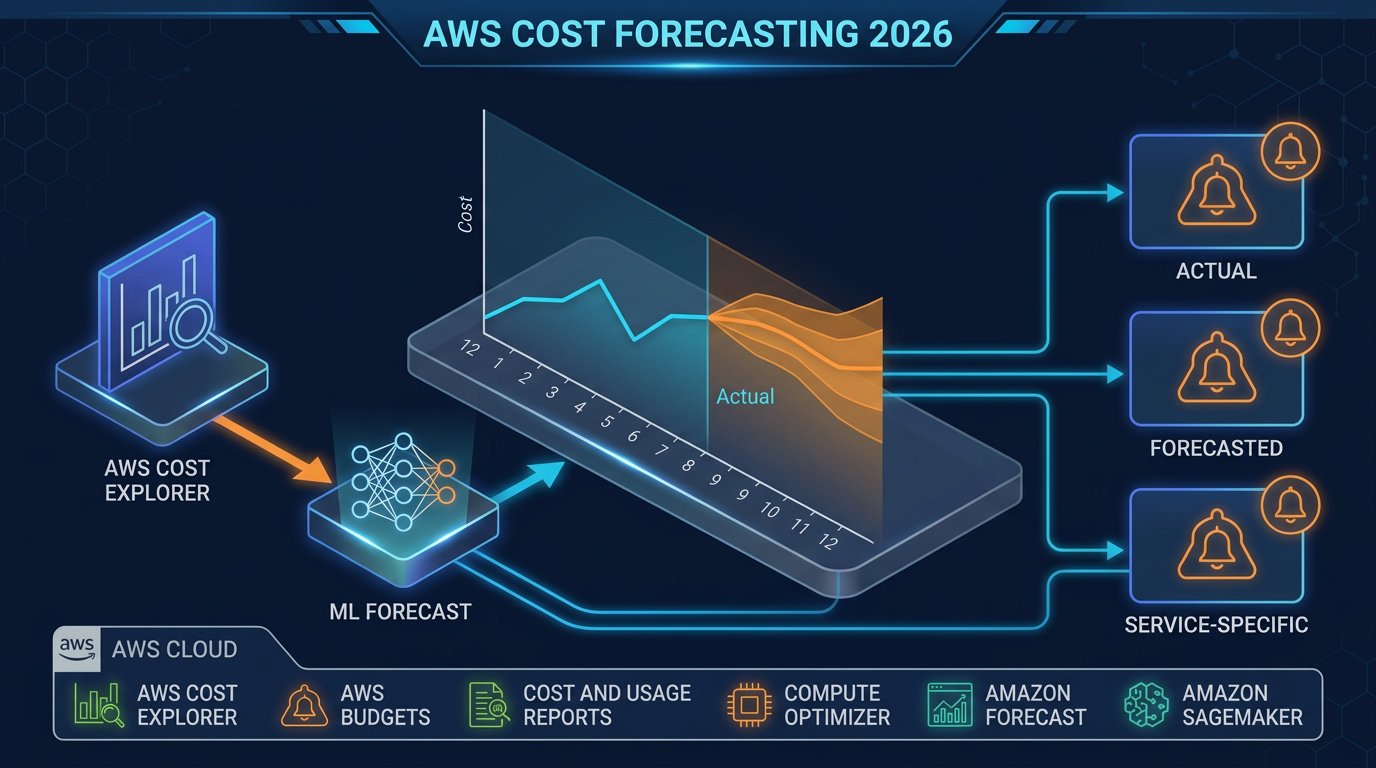
Most AWS cost forecasts miss by 30 to 50% because the forecasting model does not match how AWS charges. This playbook covers which metrics to measure, which models to use, and where the structural gaps are.
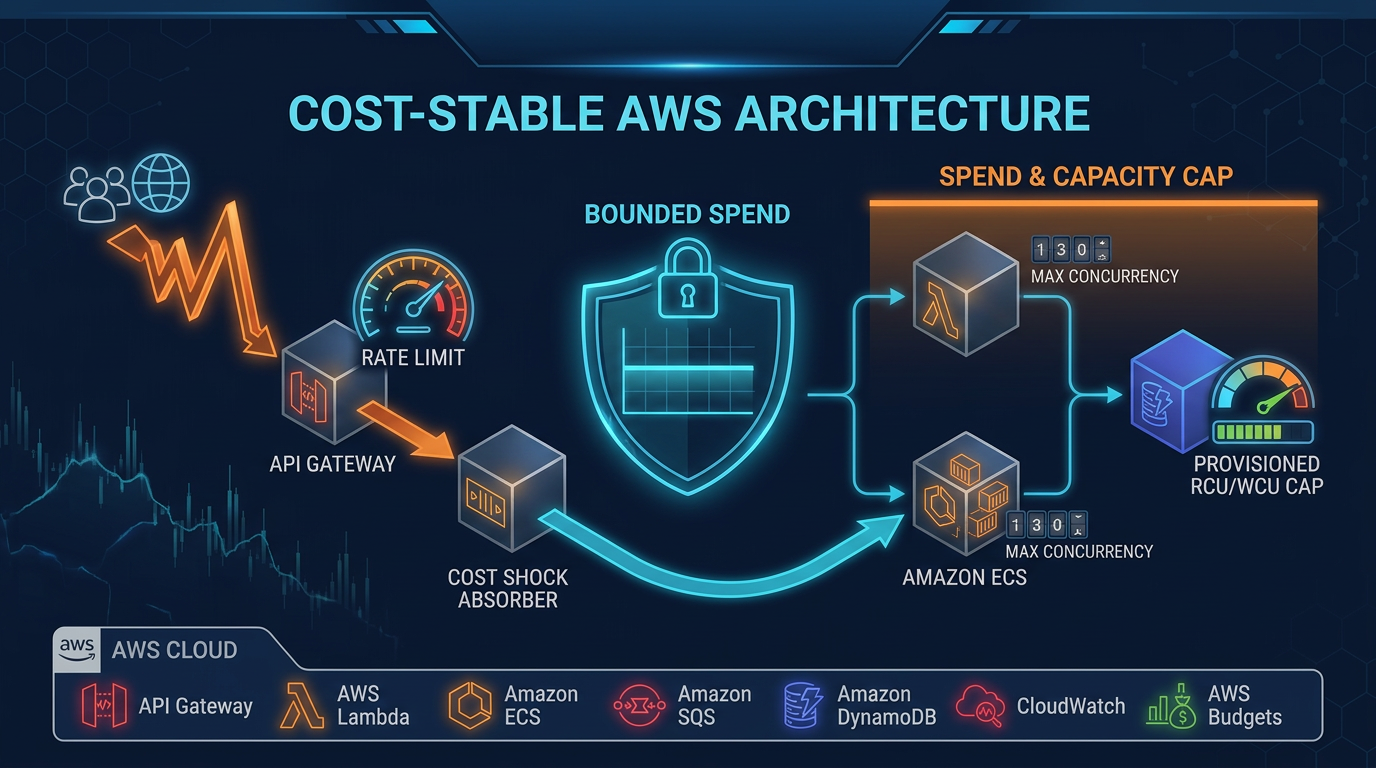
Cost-stable AWS design: bounded per-event spend, queues as shock absorbers, hard ceilings. July 2026 refresh with FinOps Agent / anomaly detection hooks.
Data transfer is the most consistently underestimated cost in AWS architectures. It does not appear in compute estimates, does not scale linearly, and punishes microservices designs just when growth feels like success.
Autoscaling surprise bills are pattern-shaped: asymmetric thresholds, bad metrics, Lambda duration, Spot storms. July 2026 refresh: target tracking, Budget Actions, FinOps Agent.
AWS cost problems grow undetected for organizational reasons. Engineers make architectural decisions with no cost feedback. Finance sees bills 30 days late. No one owns the gap between the two.
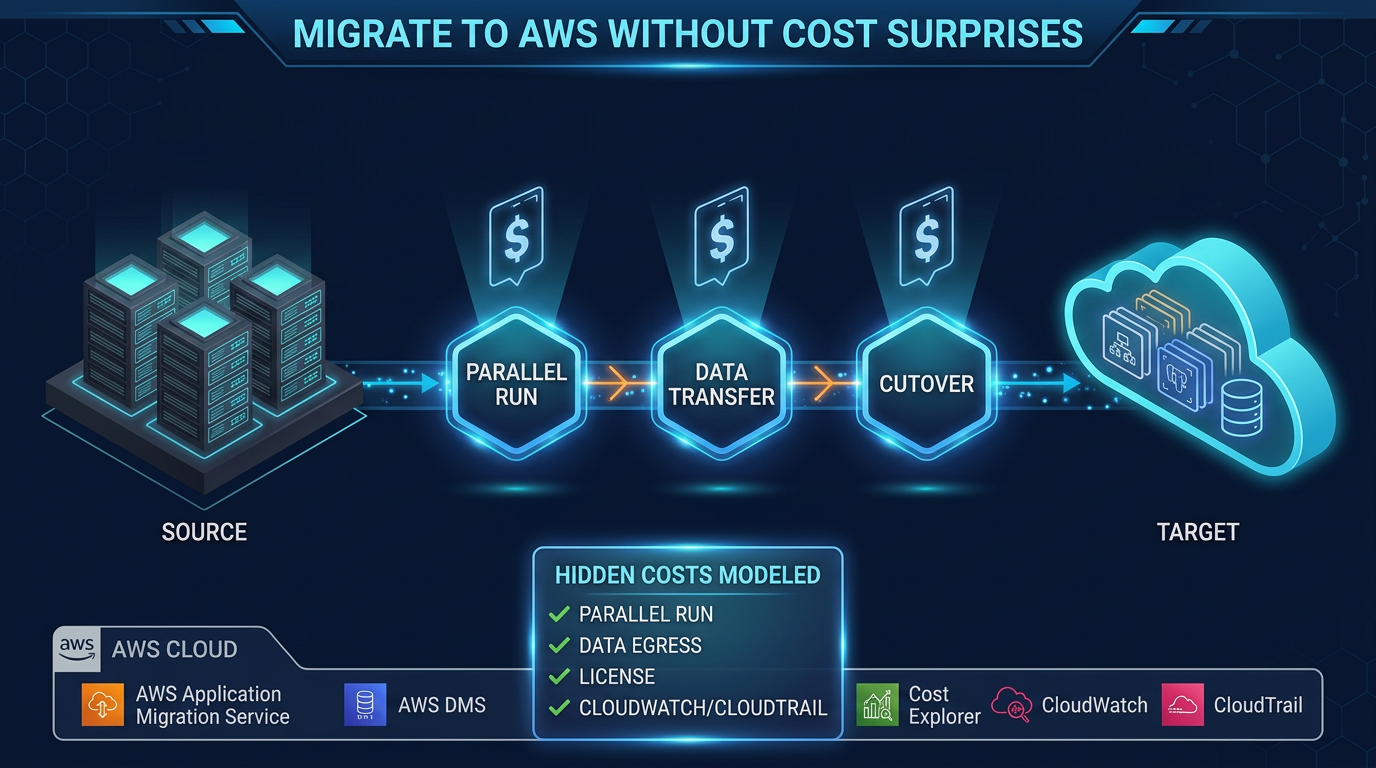
Migration TCO tools nail steady-state and miss the gap: dual-run weeks, DMS, DC egress, day-1 Config/GuardDuty. July 2026 update with a dual-run worksheet and MAP tagging note.
AWS publishes every price publicly, yet bills still surprise teams in 2026. Costs emerge from service interactions, now including Bedrock/AgentCore, so no single rate card shows the total.
S3 storage is still cheap in July 2026. Request storms, unmanaged versioning, CRR, Express One Zone, and S3 Tables compaction choices are what blow the bill, more than GB-month does.