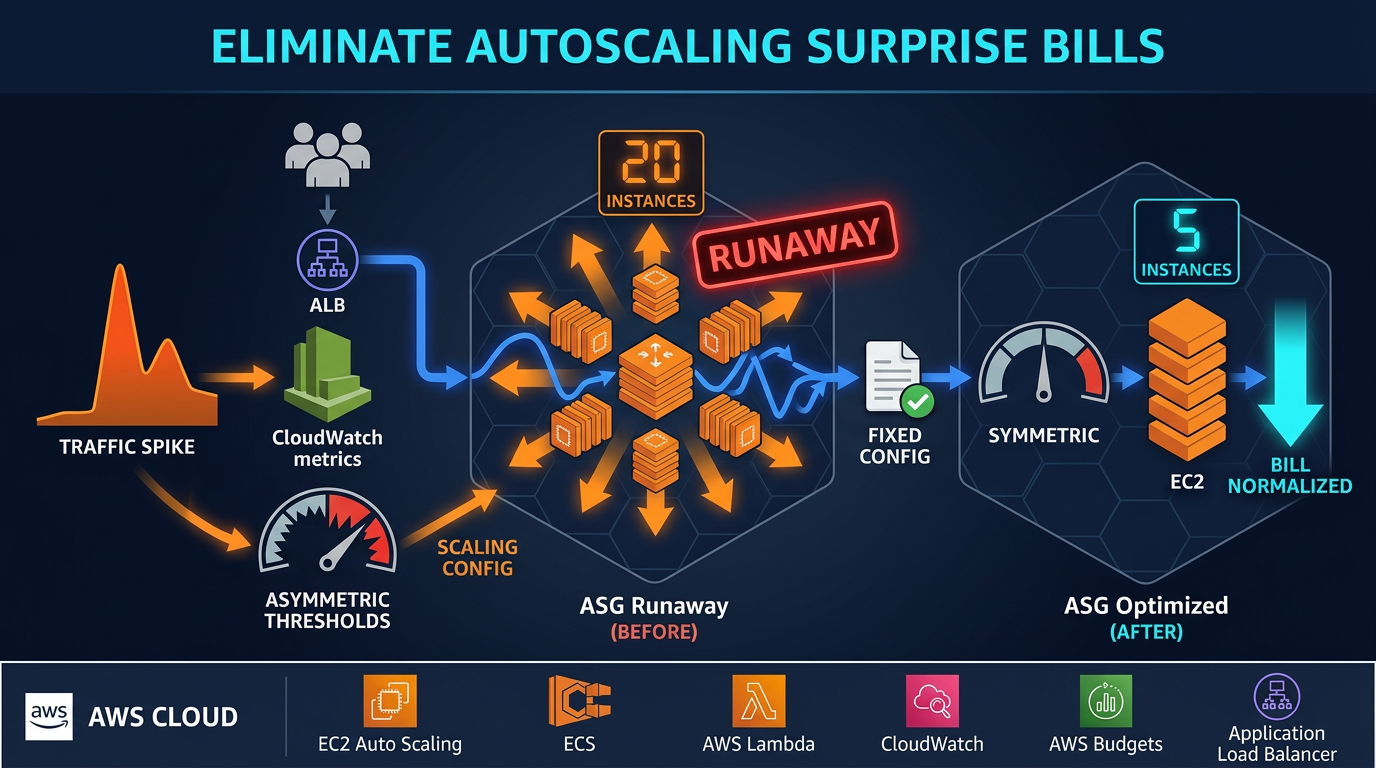
How to Eliminate AWS Surprise Bills From Autoscaling
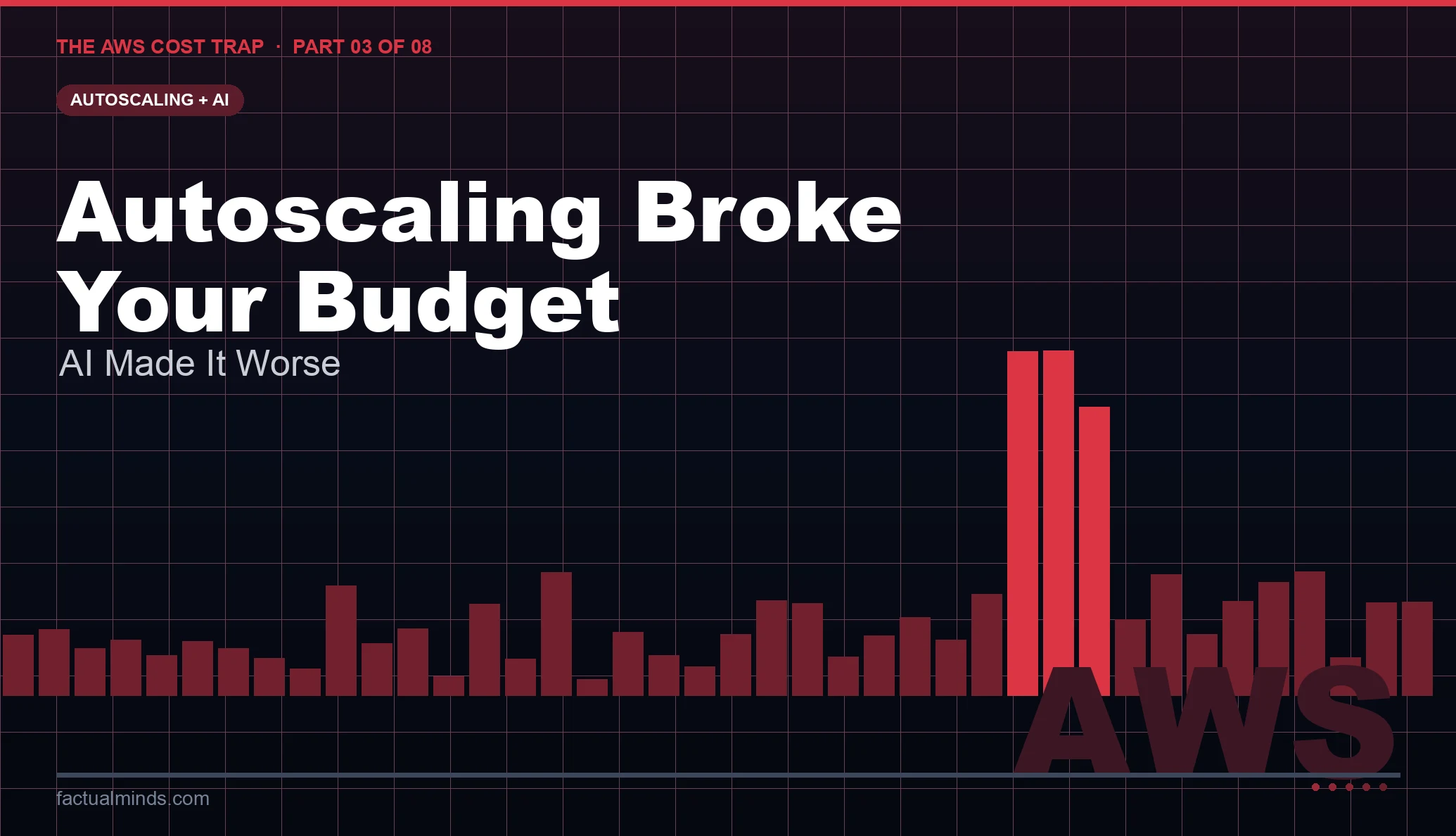
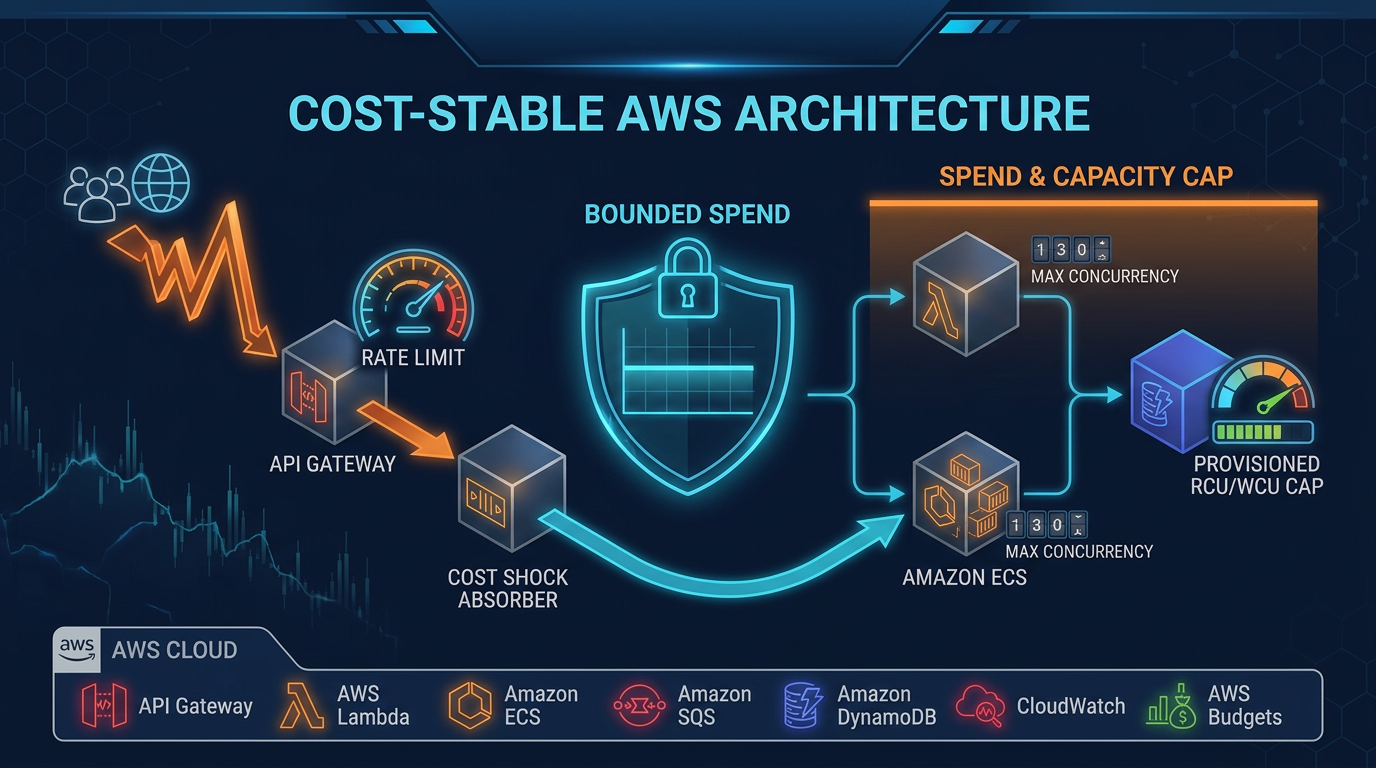
Autoscaling surprise bills are pattern-shaped: asymmetric thresholds, bad metrics, Lambda duration, Spot storms. July 2026 refresh — target tracking, Budget Actions, FinOps Agent.

Autoscaling surprise bills are pattern-shaped: asymmetric thresholds, bad metrics, Lambda duration, Spot storms. July 2026 refresh — target tracking, Budget Actions, FinOps Agent.

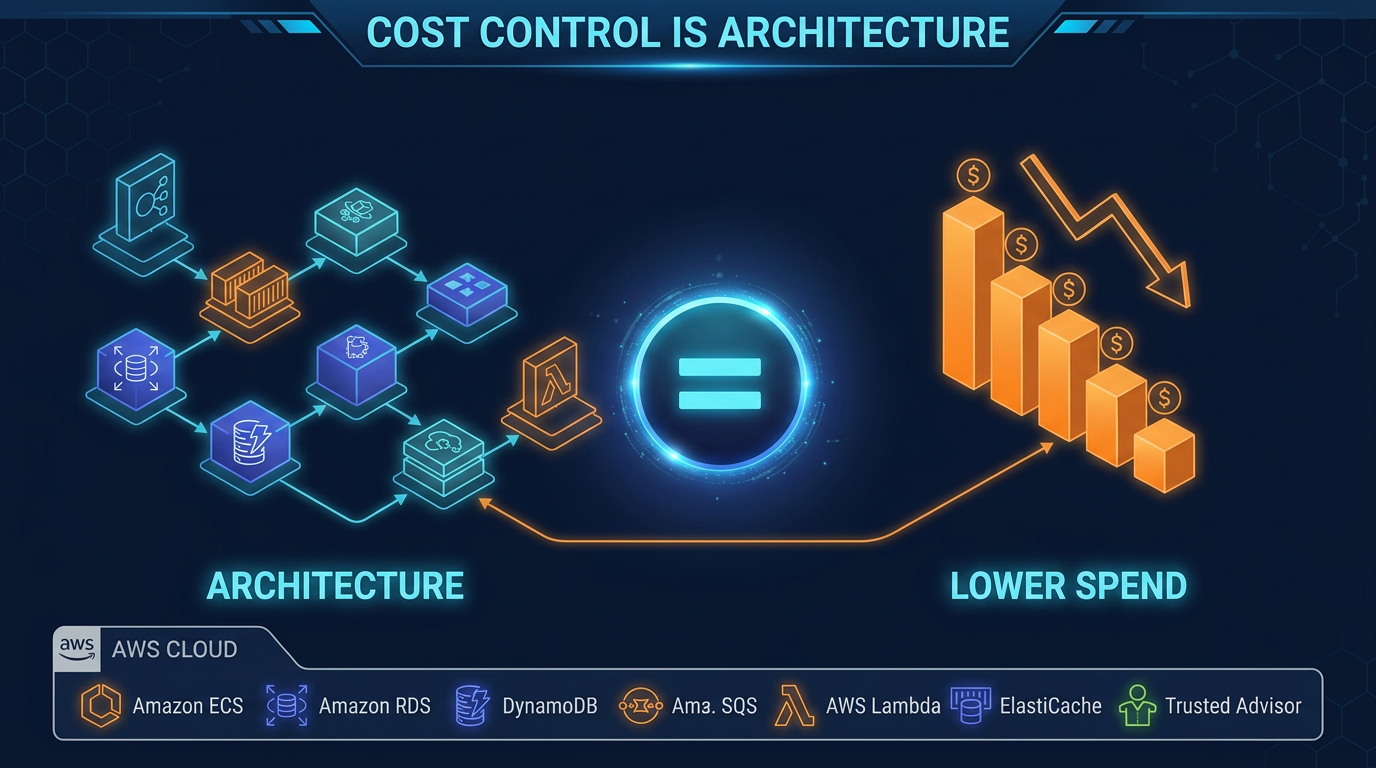
The reason AWS cost problems grow undetected is not technical — it is organizational. Engineers make architectural decisions with no cost feedback. Finance sees bills 30 days late. No one owns the gap between the two.

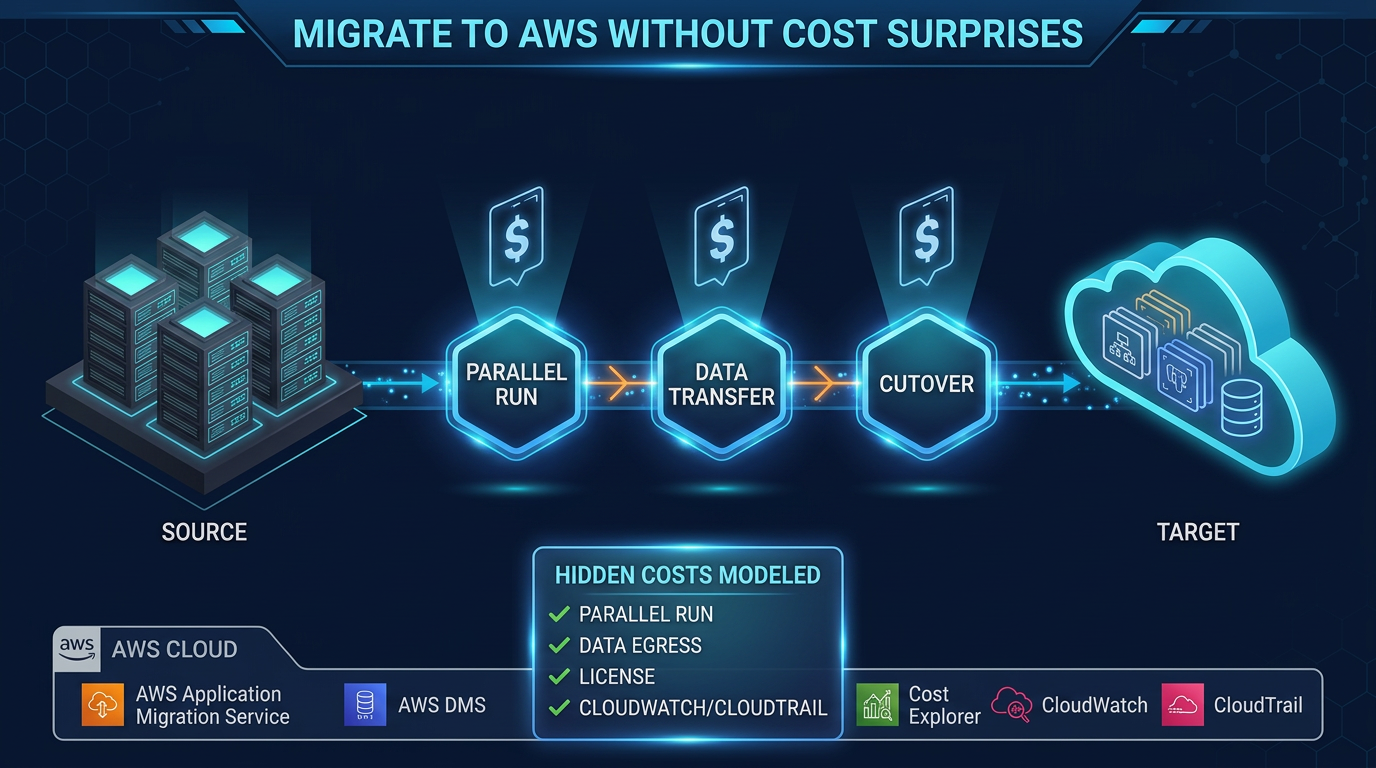
Migration TCO tools nail steady-state and miss the gap: dual-run weeks, DMS, DC egress, day-1 Config/GuardDuty. July 2026 — dual-run worksheet + MAP tagging note.

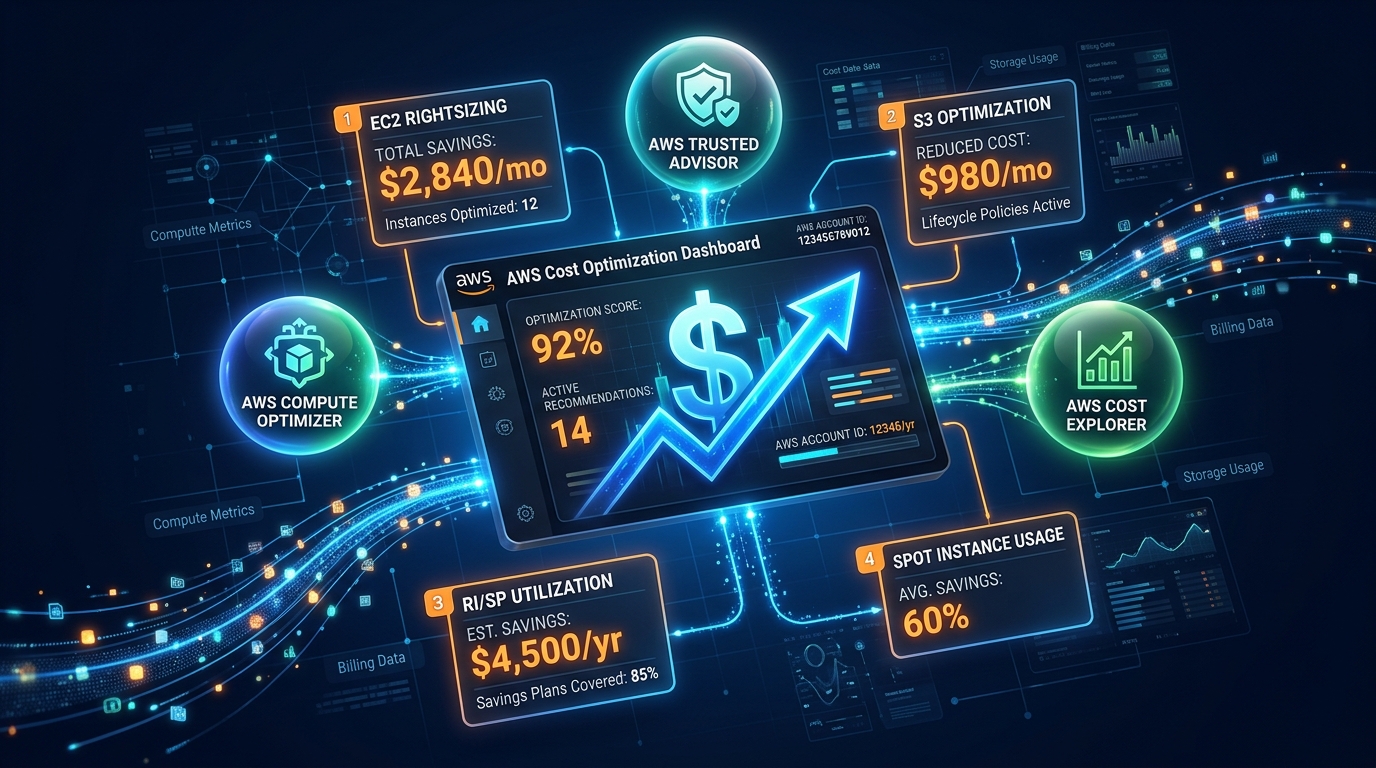
AWS publishes every price publicly, yet bills still surprise teams in 2026. Costs emerge from service interactions — now including Bedrock/AgentCore — not from any single rate card.

S3 storage is still cheap in July 2026. Request storms, unmanaged versioning, CRR, Express One Zone, and S3 Tables compaction choices are what blow the bill — not GB-month alone.

The worst AWS bills still come from small systems with invisible failure modes. July 2026 refresh — SQS/Lambda retry storms, zombie resources, public AI endpoints, and Bedrock/AgentCore spend loops — plus the detection radar.

CI/CD infrastructure is invisible until your DevOps bill hits $15,000/month. Build minutes, artifact storage, and ephemeral environments accumulate costs that few teams track. Here is how to measure and control them.

A B2B SaaS stack that costs $500/month at launch does not need to cost $50,000/month at 100,000 users if the architecture decisions at each stage are deliberate. This is the end-to-end reference architecture with real cost numbers.

A 500ms latency spike in a distributed system could be a slow RDS query, a Lambda cold start, a downstream API timeout, or a CloudWatch Logs ingestion delay. Finding the cause requires correlated logs, traces, and metrics — not grep.

A technical deep dive into EC2 performance optimization for API workloads — covering instance family selection, Graviton vs x86 economics, network tuning, EBS configuration, and Linux kernel parameters that directly impact throughput and tail latency.

RDS, Aurora, and self-managed Postgres each have a cost breakeven point. This guide covers total cost of ownership, connection pooling with PgBouncer, indexing strategies, and the edge cases that turn Postgres into a billing surprise.

A technical guide to hybrid compute architectures that combine EC2, Lambda, Fargate, and Step Functions — with worked cost calculations, SQS buffering patterns, and decision frameworks based on invocation pattern rather than unit cost.
We use cookies and similar technologies to analyze site traffic, personalize content, and provide social media features. By clicking “Accept,” you consent to our use of cookies. You can adjust your preferences at any time.