
Tagged

aws

Tagged articles
282
4 min

From One FIS Experiment to a Resilience Program (2026): AWS Fault Injection Service, Stop Conditions, and GameDays That Actually Change Behavior

Running one AWS FIS experiment in a demo account is not chaos engineering. It is a screenshot. A program ties experiments to SLOs, scopes blast radius with tags, halts on CloudWatch alarm stop conditions, schedules via EventBridge, and closes the loop by re-testing the fix. FIS now ships AZ Power Interruption and cross-Region connectivity scenarios in its Scenario Library. This post covers the L0 to L3 maturity matrix, a GameDay runbook, and a stop-condition-wired experiment skeleton.

Manoj V.
5 min

Continuous Compliance Automation on AWS (2026): Config Conformance Packs, SSM Auto-Remediation, and Audit Manager — Past Security Hub

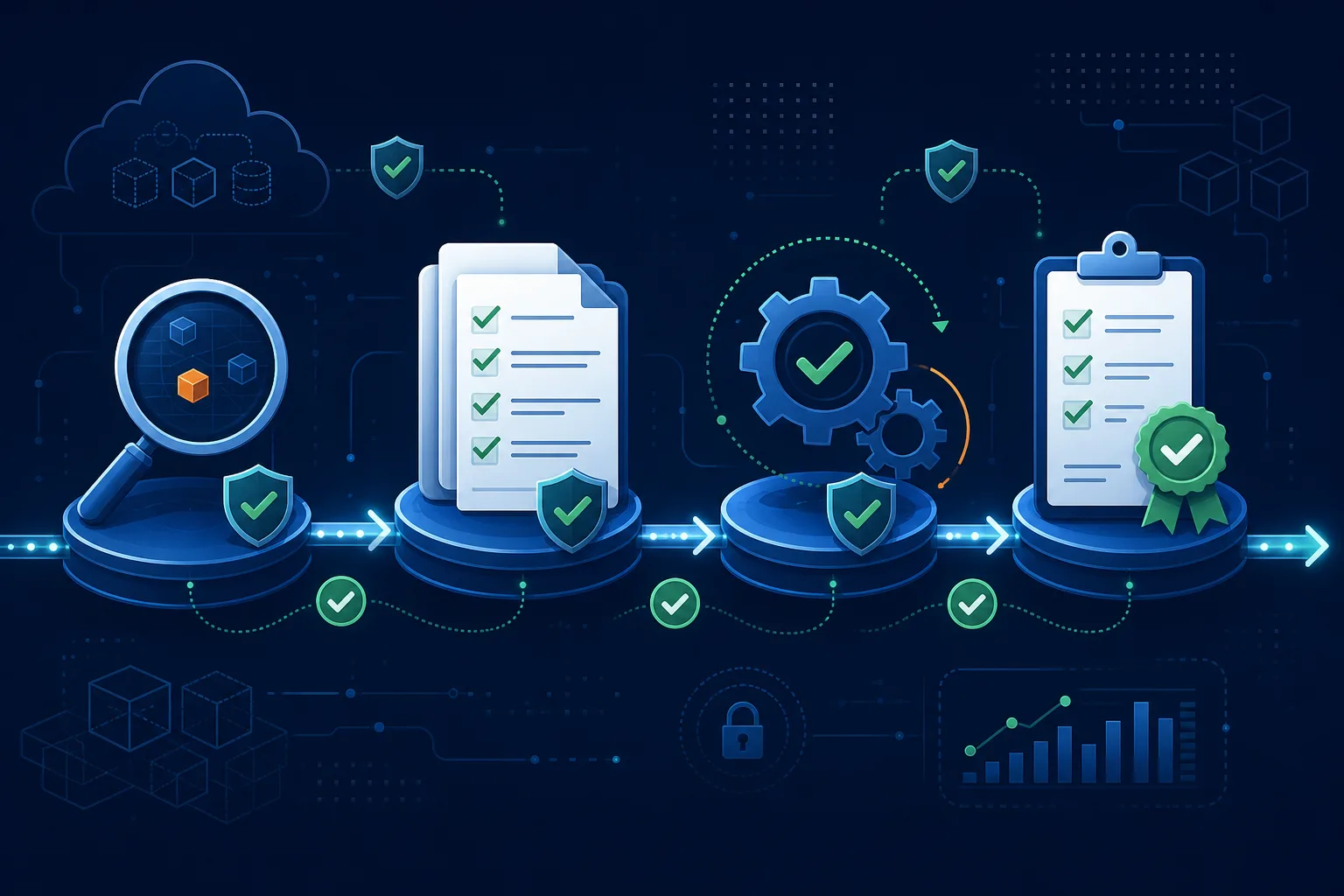
Security Hub detects control failures. It is not the compliance pipeline, and treating it as one is why teams still scramble for evidence at audit time. The four jobs are distinct: AWS Config detects drift, conformance packs deploy rules org-wide as immutable bundles, SSM Automation remediates the safe class, and evidence accrues via conformance-pack exports plus Security Hub control status (Audit Manager only if you onboarded before it closed to new customers on 30 April 2026). This post has the tool-per-job matrix, a conformance pack with auto-remediation, and the auto-remediation gotcha to design around.

Nash Ogden
5 min

Cross-Account Patterns Beyond the Landing Zone (2026): RAM, Delegated Admin, Route 53 Profiles, RCPs, and Declarative Policies

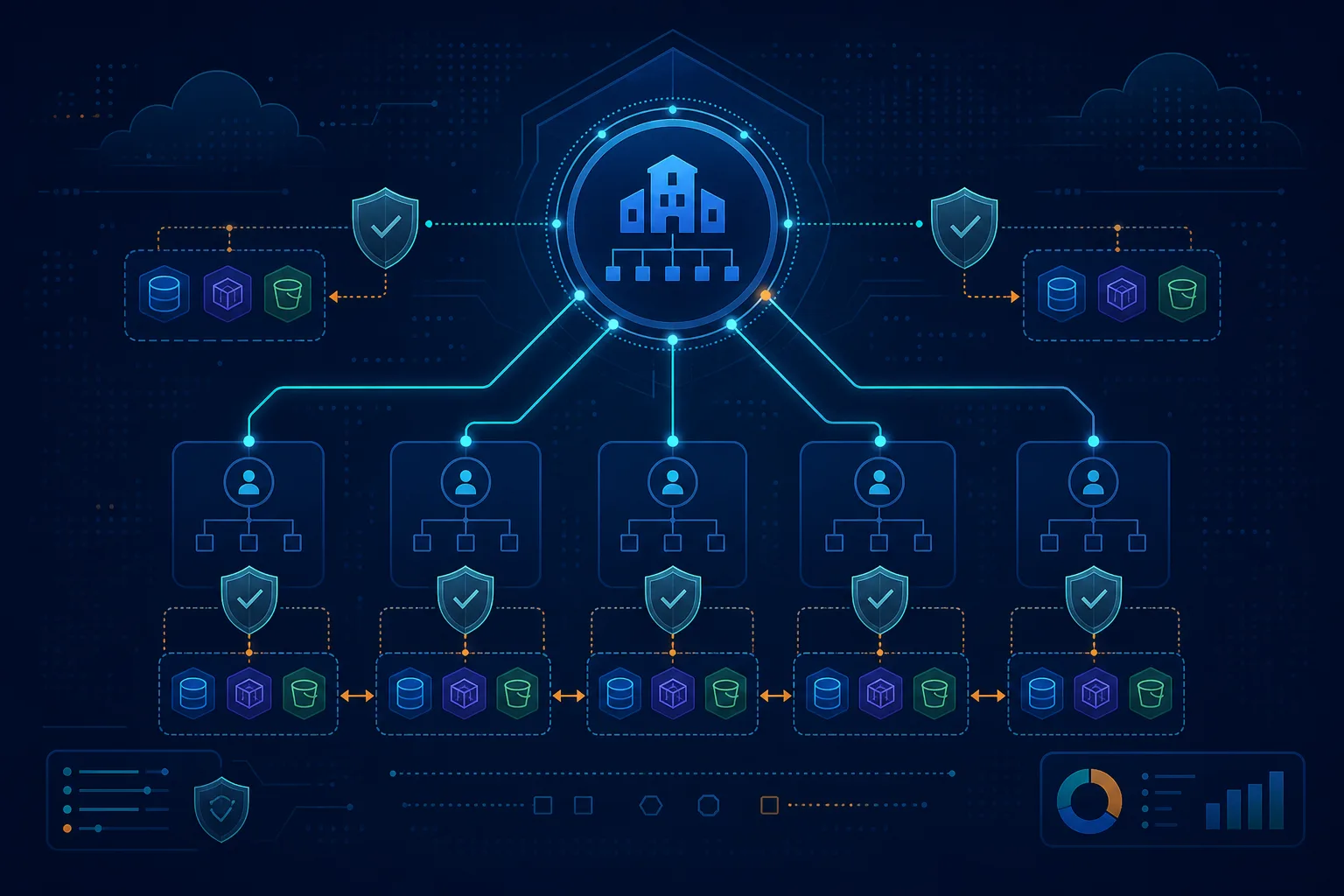
Your landing zone set up the org, OUs, and baseline SCPs. Then most teams stall, duplicating resources per account and wiring brittle cross-account role chains. Since re:Invent 2024 the toolkit changed: RCPs bound what can be done TO a resource (even by external principals), declarative policies enforce EC2/VPC/EBS config state that survives new APIs, and one Route 53 Profile can push DNS to up to 5,000 VPCs. This post has the mechanism-by-job decision matrix and a rollout order that avoids lockouts.

Palaniappan P
4 min

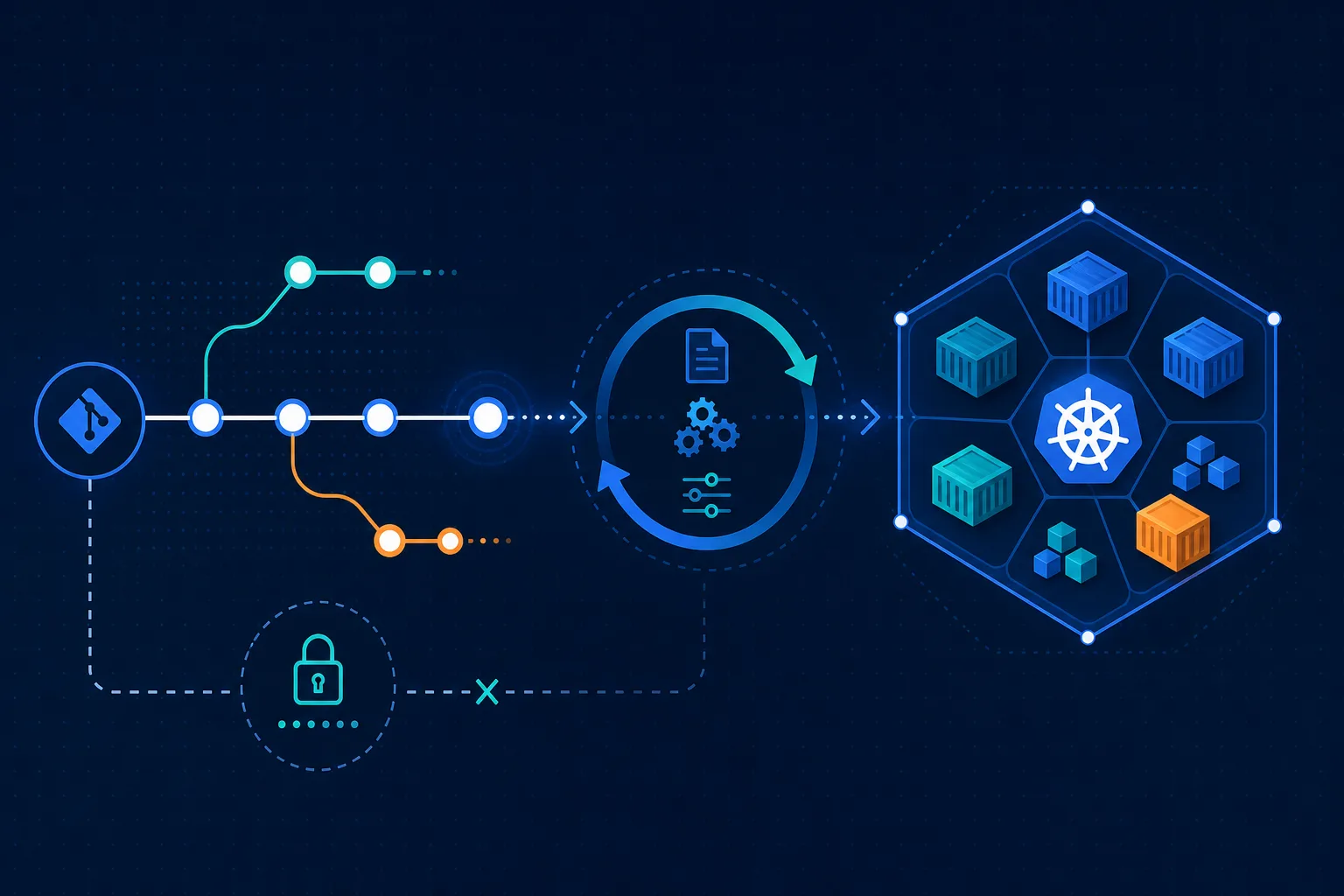
GitOps on Amazon EKS (2026): Argo CD vs Flux, App-of-Apps, and the Decisions That Actually Bite

AWS Prescriptive Guidance says Argo CD and Flux both handle most GitOps scenarios capably, so picking one is a fit decision. The decisions that actually cause incidents are the ones underneath: plaintext secrets in the GitOps repo, CI running kubectl apply and reintroducing drift, no App-of-Apps so onboarding is click-ops, and repo topology you can't change later. This post has the Argo CD vs Flux matrix, an App-of-Apps example, and the five traps independent of tool.

Manoj V.
4 min

Post-Migration Optimization and the FinOps Handoff (2026): The First 30 Days After Cutover Decide Your Run-Rate

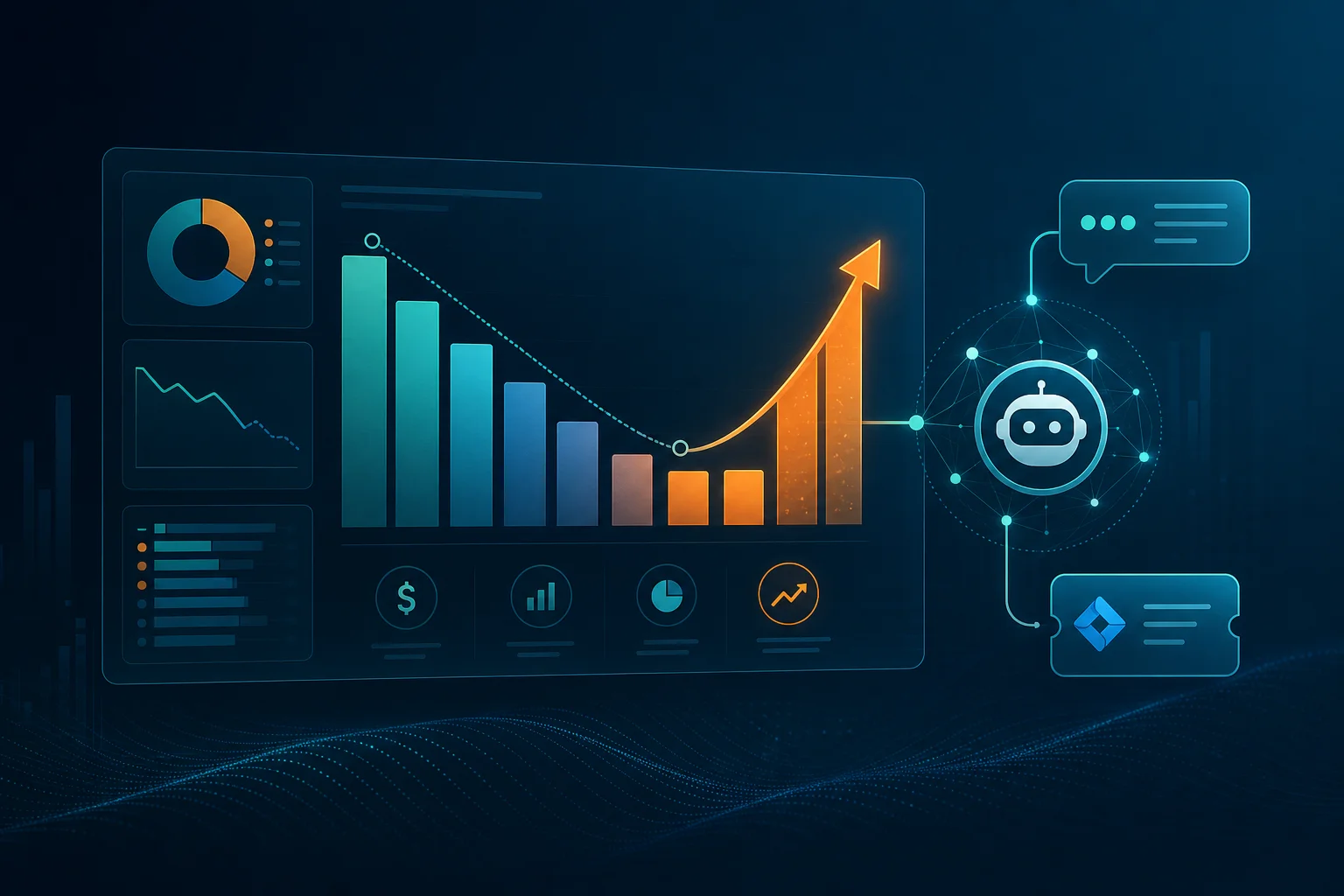
A lift-and-shift migration copies on-prem specs sized for peak plus headroom, then the migration partner rolls off and nobody owns the bill. The waste is predictable: 30 to 60% of cost untagged, over-provisioned EC2/RDS, idle NAT Gateways and orphaned EBS, and commitments bought on top of all of it. This is the explicit migration-to-FinOps handoff: owner first, visibility second, right-size before you commit. It comes with a 30-day checklist and an optimization-backlog CSV.

Kevin W.
8 min

Observability Beyond CloudWatch (2026): When to Add Application Signals, ADOT, Managed Prometheus, and Grafana — and When Not To

The reflex to bolt Amazon Managed Prometheus + Grafana onto every workload is how observability bills quietly double. CloudWatch Application Signals now gives you an auto-discovered service map, SLOs, and traces with near-zero setup; AMP only earns its keep when you are PromQL-native or drowning in high-cardinality metrics, where ingestion (not retention) is the cost driver. The post covers the decision matrix, an ADOT dual-export config, and the three levers that actually cut the AMP bill.

Manoj V.
6 min

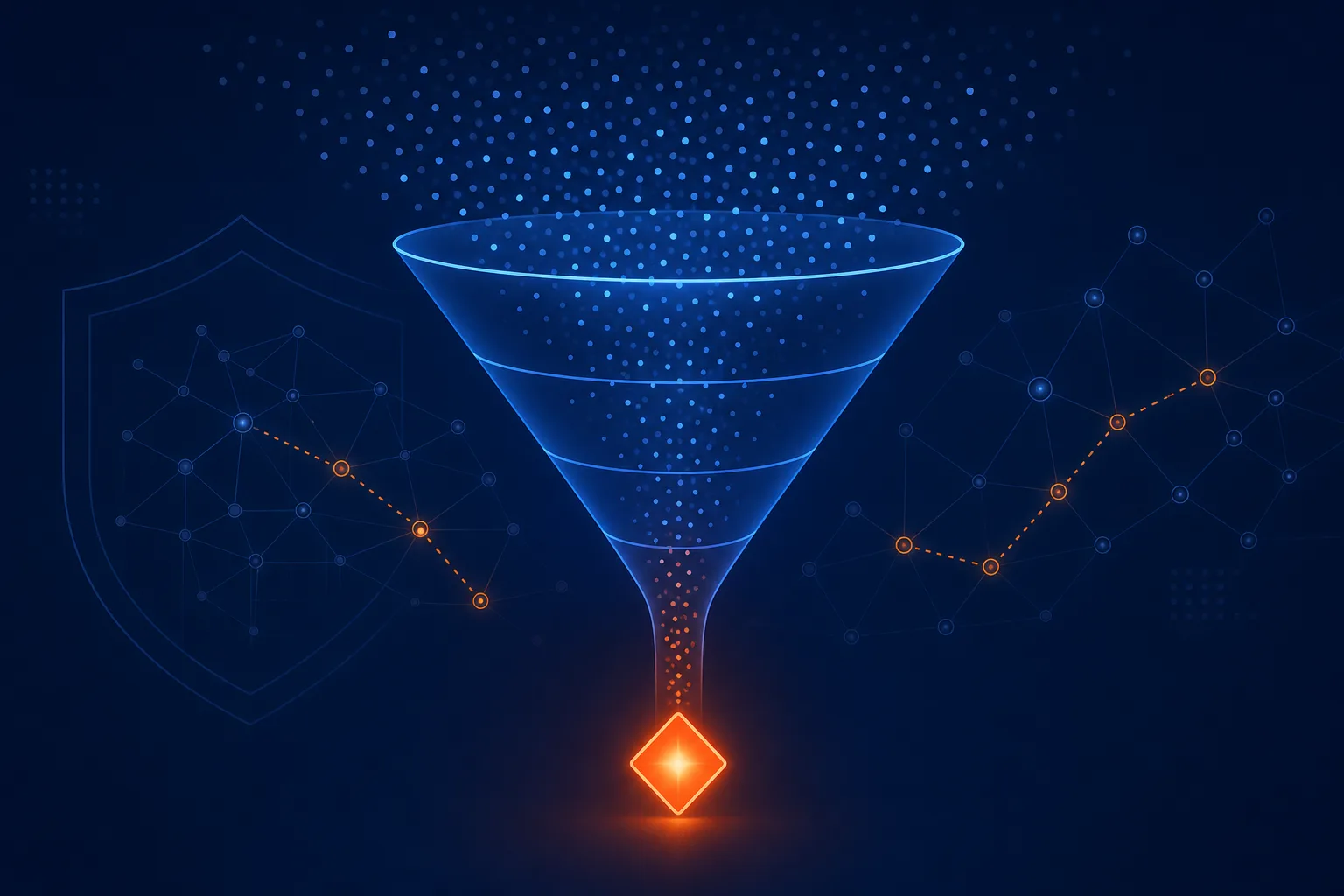
AWS Incident Response Runbooks (2026): What Changes Now That Security Incident Response Is Metered and GuardDuty Correlates Attack Sequences

Two 2025 shifts rewrite the IR playbook: GuardDuty Extended Threat Detection now emits a single critical attack-sequence finding instead of a pile of high findings, and AWS Security Incident Response moved to metered pricing (free first 10,000 findings/month, then $0.000676 each) on November 21, 2025. The lesson is to page humans on the top 1% of correlated criticals, isolate instead of terminate, and let auto-triage absorb the rest.

Nash Ogden
7 min

AWS KMS Encryption Architecture (2026): The Per-Tenant CMK Trap, the 10,000 req/s Shared Quota, and When AWS-Owned Keys Win

Most KMS guides stop at "enable encryption." The architecture decision that actually bites is the key boundary: split one CMK into 3,200 per-tenant keys and you pay ~$3,200/mo in key storage alone while still sharing a single 10,000 req/s symmetric quota. The post covers the decision matrix, the throttle math, and the encryption-context pattern that gives per-tenant isolation without per-tenant keys.

Nash Ogden
6 min

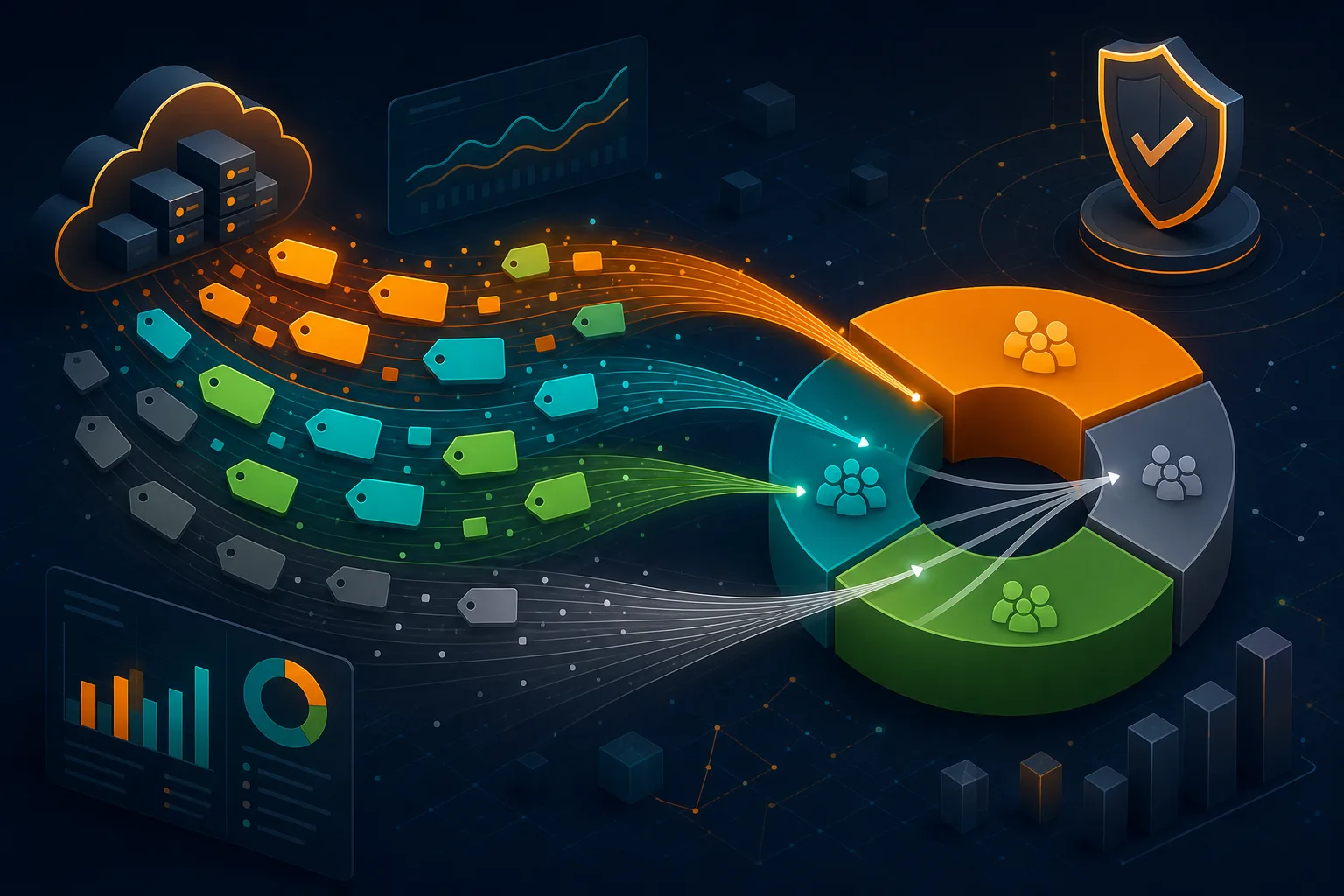
AWS Tagging, Chargeback, and FinOps Ownership (2026): Tag Policy vs SCP, the Untaggable 21%, and Splitting Shared Cost Without a Spreadsheet War

Tag policies report; only an SCP prevents untagged spend. And ~21% of a typical bill (egress, inter-AZ transfer, Enterprise Support, shared platform services) carries no tag any tool can read. The post covers the two-layer enforcement model, the Cost Categories split-charge rules that replace the monthly allocation spreadsheet, and why you show back before you charge back.

Kevin W.