palaniappan p2 min
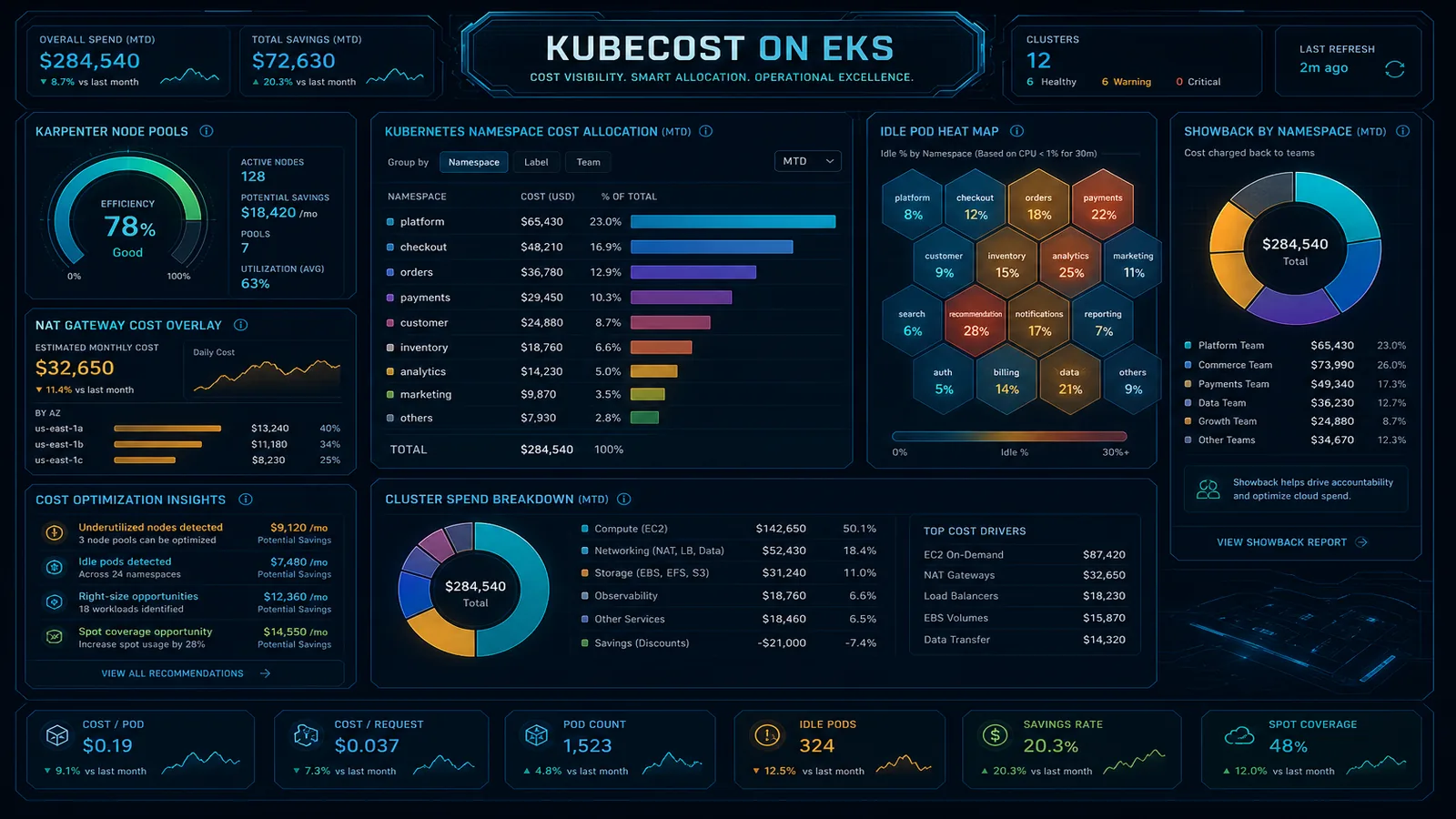
Kubecost on EKS: From Cost Visibility to Actual Savings
Production guide for Kubecost on AWS EKS — cost allocation setup plus architecture changes that reduce spend, not just attribute it.

Tutorials
Step-by-step guides for implementing AWS services in production
Practical implementation guides across AWS infrastructure, cost optimization, security, and DevOps. Each guide includes real-world patterns, configuration examples, and common pitfalls to avoid.
Production guide for Kubecost on AWS EKS — cost allocation setup plus architecture changes that reduce spend, not just attribute it.
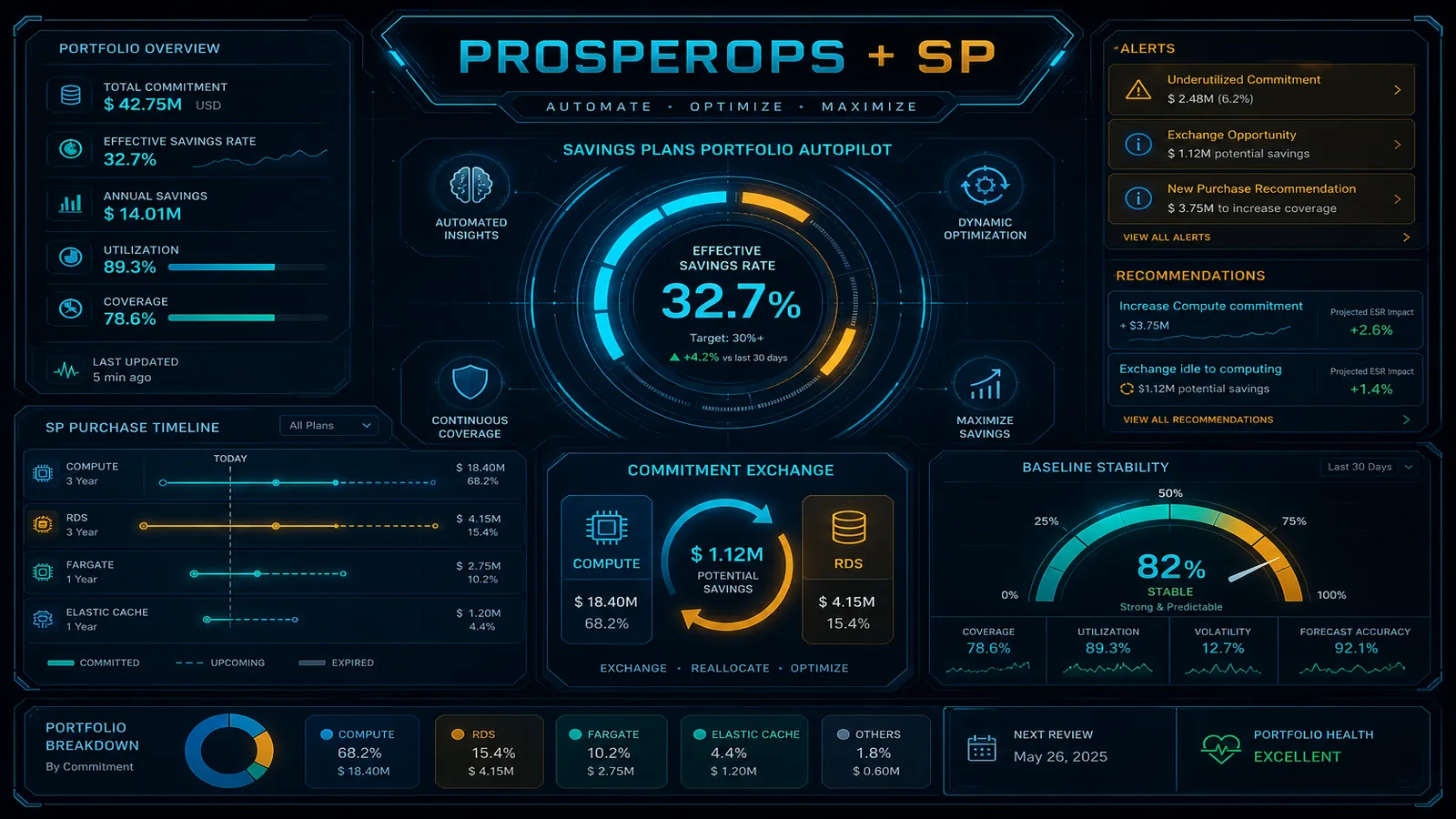
Implement ProsperOps on AWS — Savings Plans automation works best after baseline modeling and architecture stability. Production checklist included.
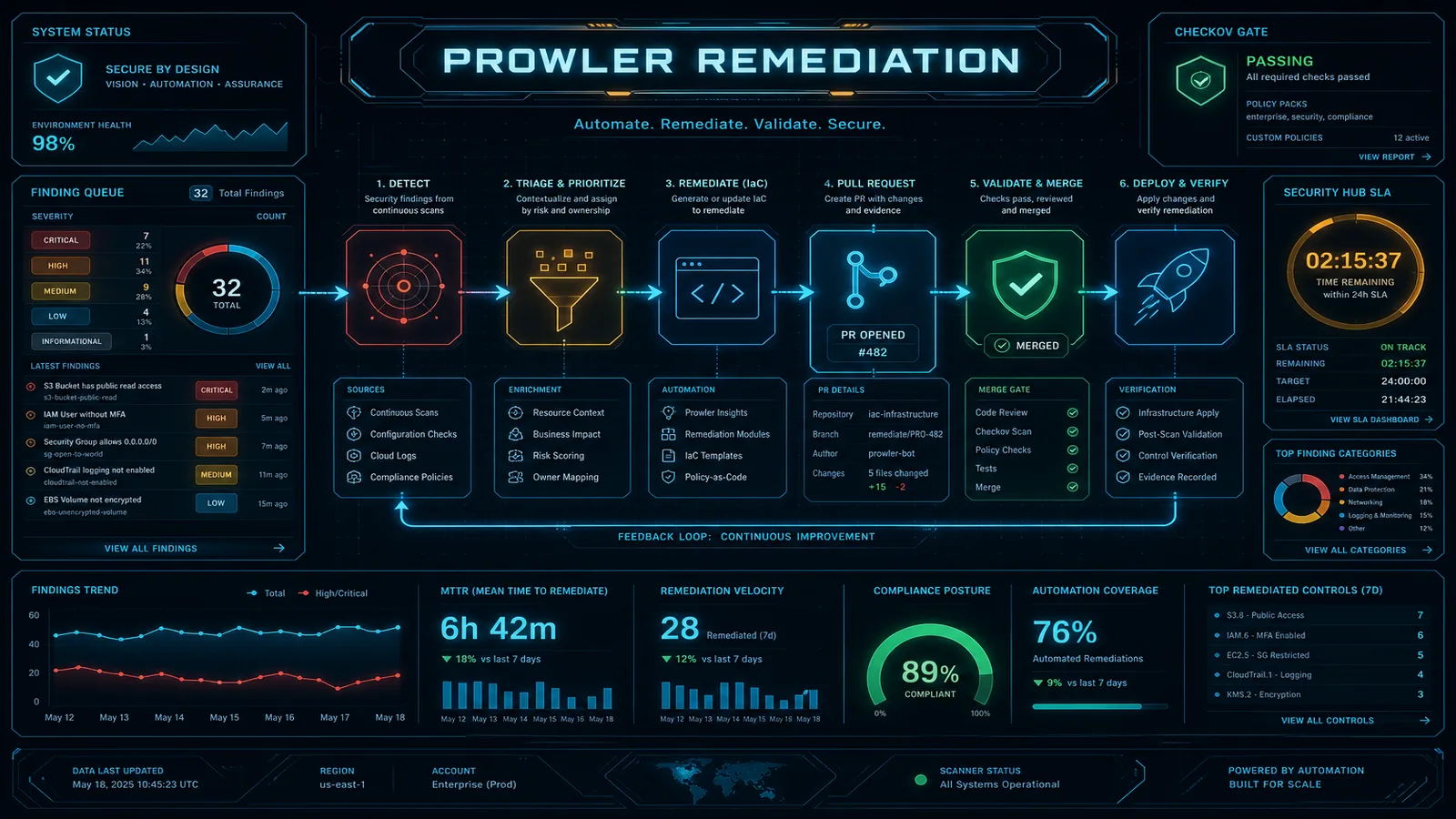
Prowler finds AWS misconfigurations. This guide covers who remediates findings, IaC fix patterns, Security Hub workflows, and when to bring in AWS security consulting.
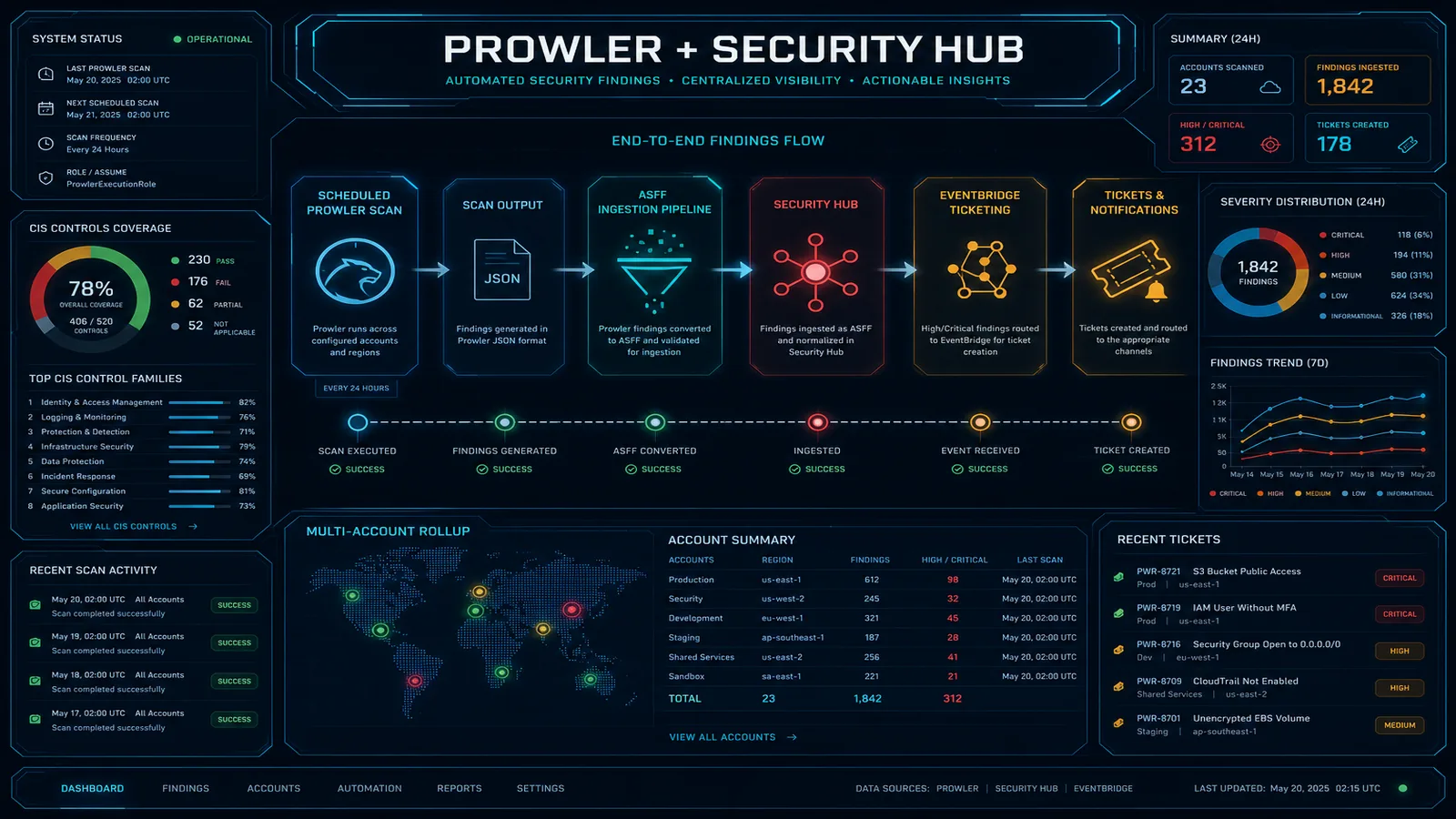
Production checklist for Prowler and AWS Security Hub — multi-account setup, scheduled scans, finding workflows, and remediation patterns on AWS.
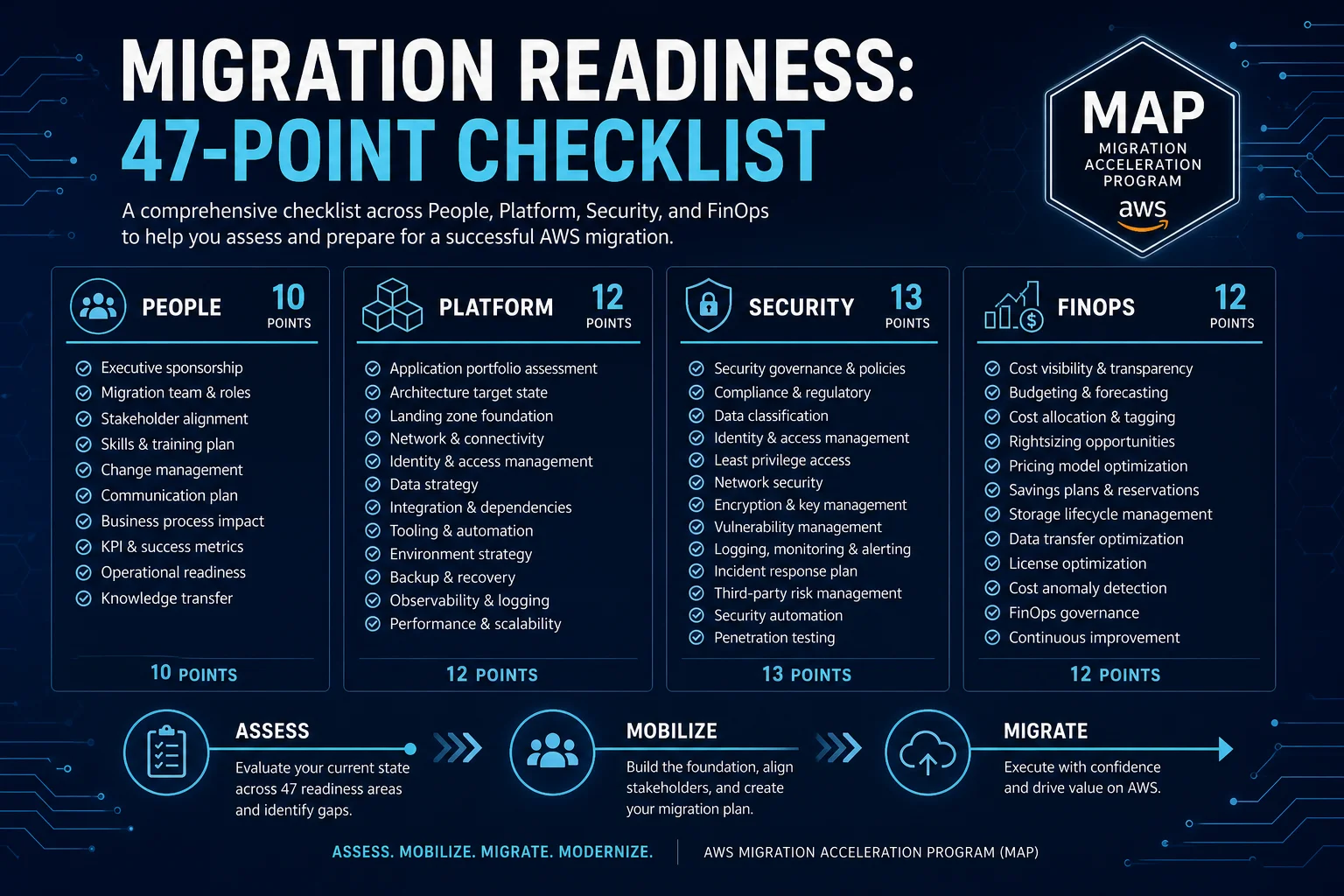
July 2026: MAP Mobilize should not start with more than five failed Platform/Security controls. 47-point readiness checklist (People, Platform, Security, FinOps) for Assess gates — CAF 3.0 + Migration Lens, post–Migration Hub.
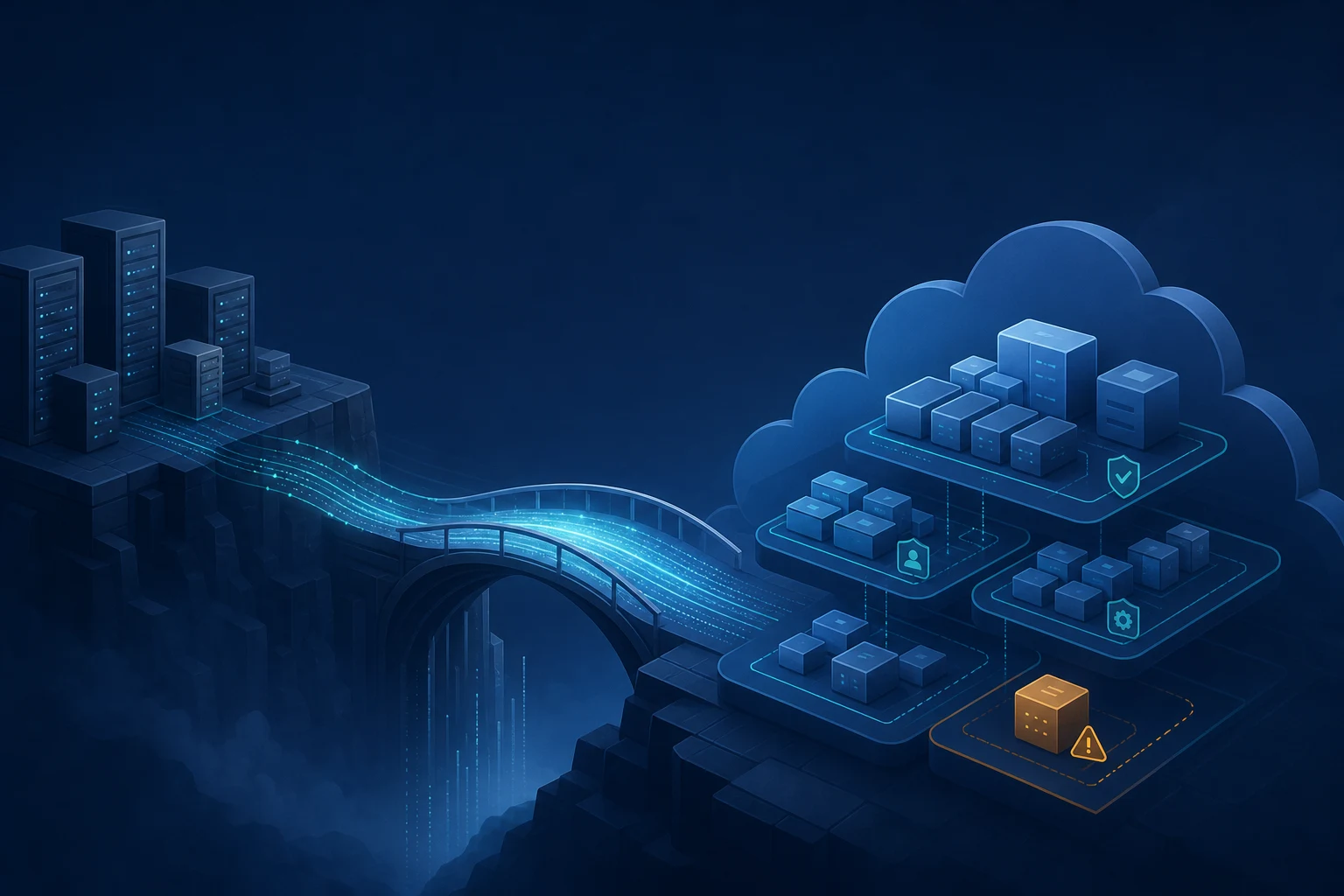
July 2026: nine migration mistakes that still show up after Migration Hub closed to new customers on November 7, 2025 — Application Migration Service (MGN), DMS, AWS Transform, Org/SCPs, FinOps dual-run costs, and Migration Lens.
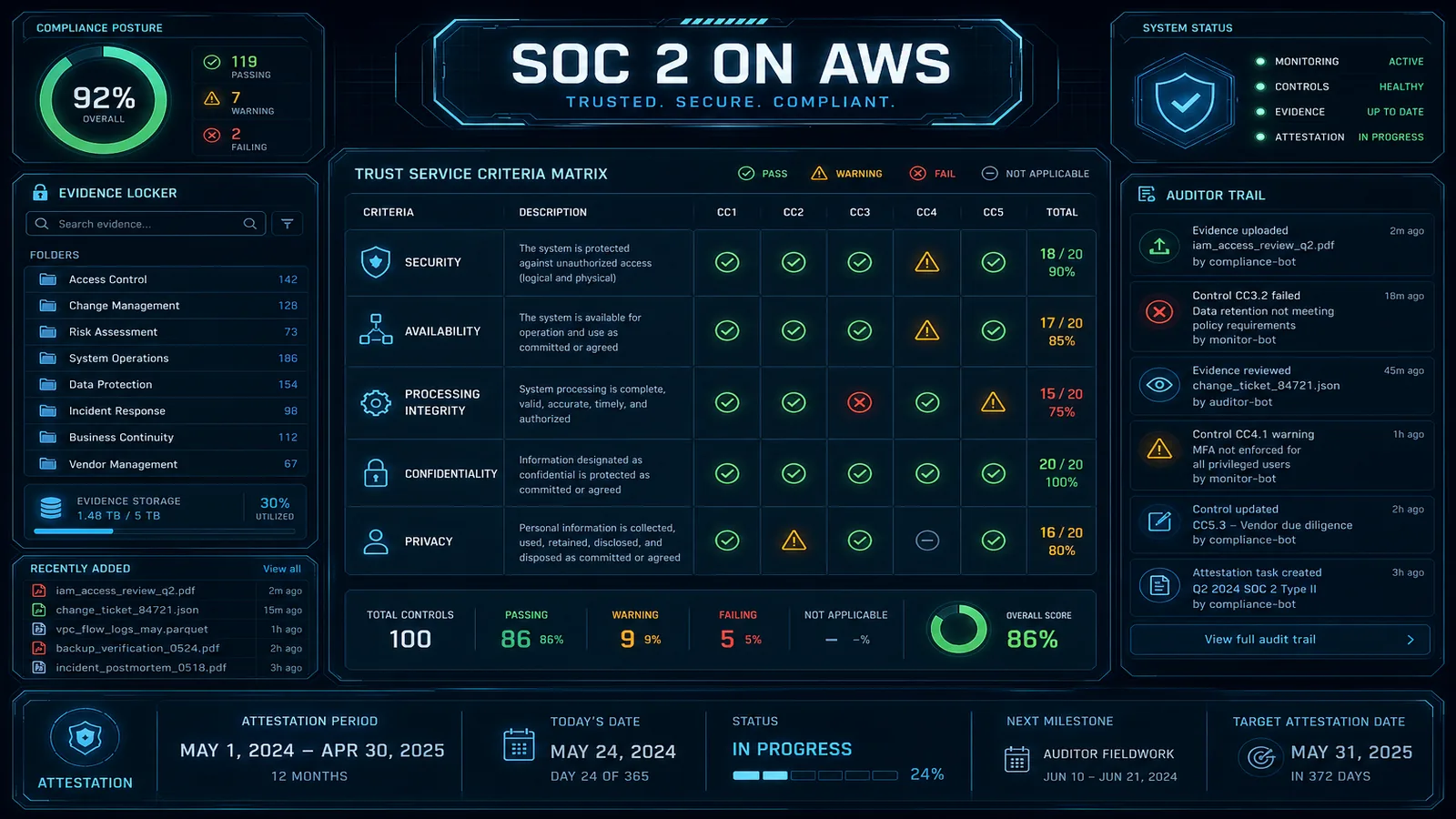
SOC 2 Type II certification proves your controls are effective over 6-12 months. This guide covers the compliance roadmap, AWS security controls, documentation requirements, and audit preparation for 2026 certification.
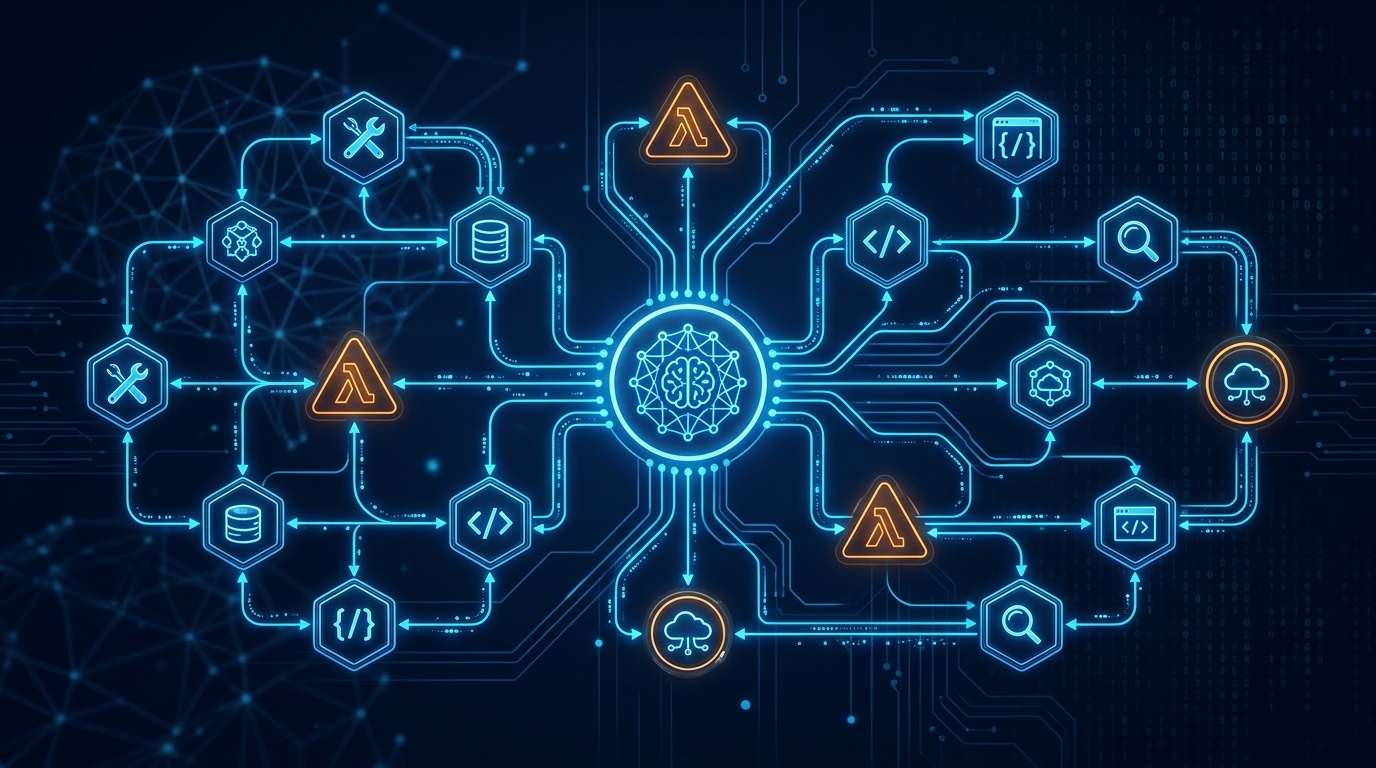
Amazon Bedrock Agents Classic automate workflows by giving foundation models the ability to call tools (APIs, Lambda, databases). This guide covers building agents with tool definitions, testing in the console, handling errors, and scaling to production.
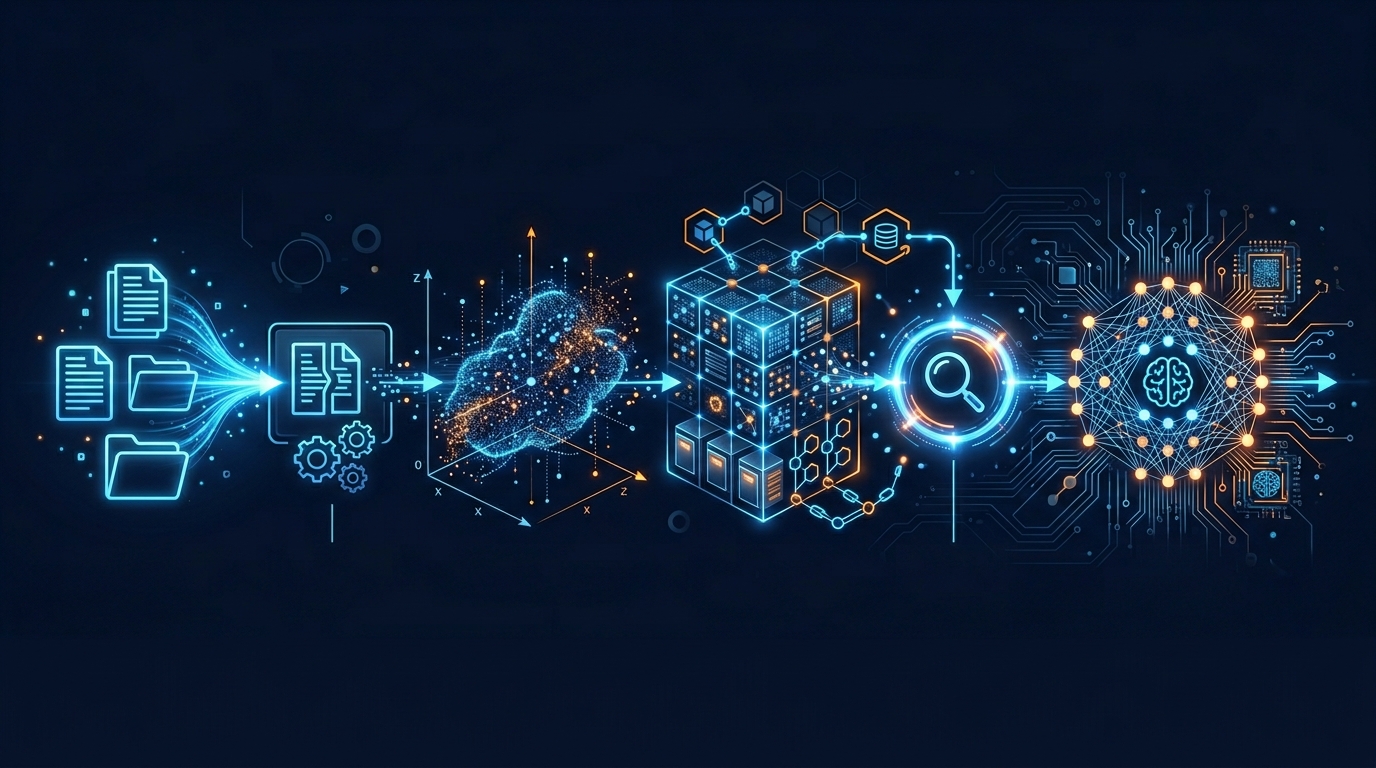
Amazon Bedrock Knowledge Bases automate the RAG (Retrieval-Augmented Generation) pipeline — semantic search, chunking, embedding, and context injection into Claude or other foundation models. This guide covers setup, data ingestion, cost optimization, and production patterns.
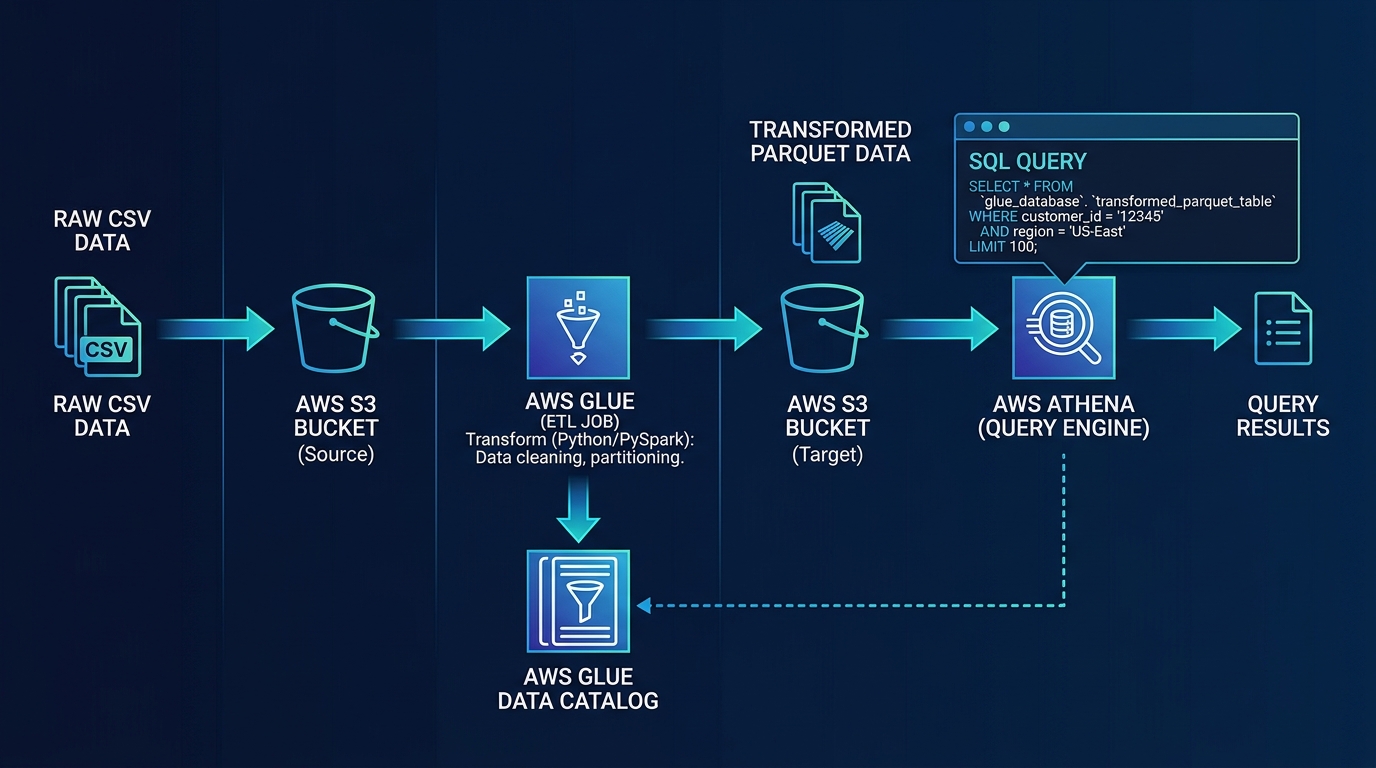
Glue ETL + Athena SQL without servers — still the default lake path. July 2026: Glue 5.x jobs, Parquet partitions, ~$0.44/DPU-hour + $5/TB scan math, pipeline checklist.

WAF beyond “enable managed rules”: COUNT→BLOCK, rate limits, Bot Control cost traps, GraphQL depth. July 2026 API protection checklist.
Karpenter replaces Kubernetes Cluster Autoscaler with intelligent bin-packing and just-in-time node provisioning. This guide covers setup, consolidation, cost optimization, and production patterns for EKS clusters.
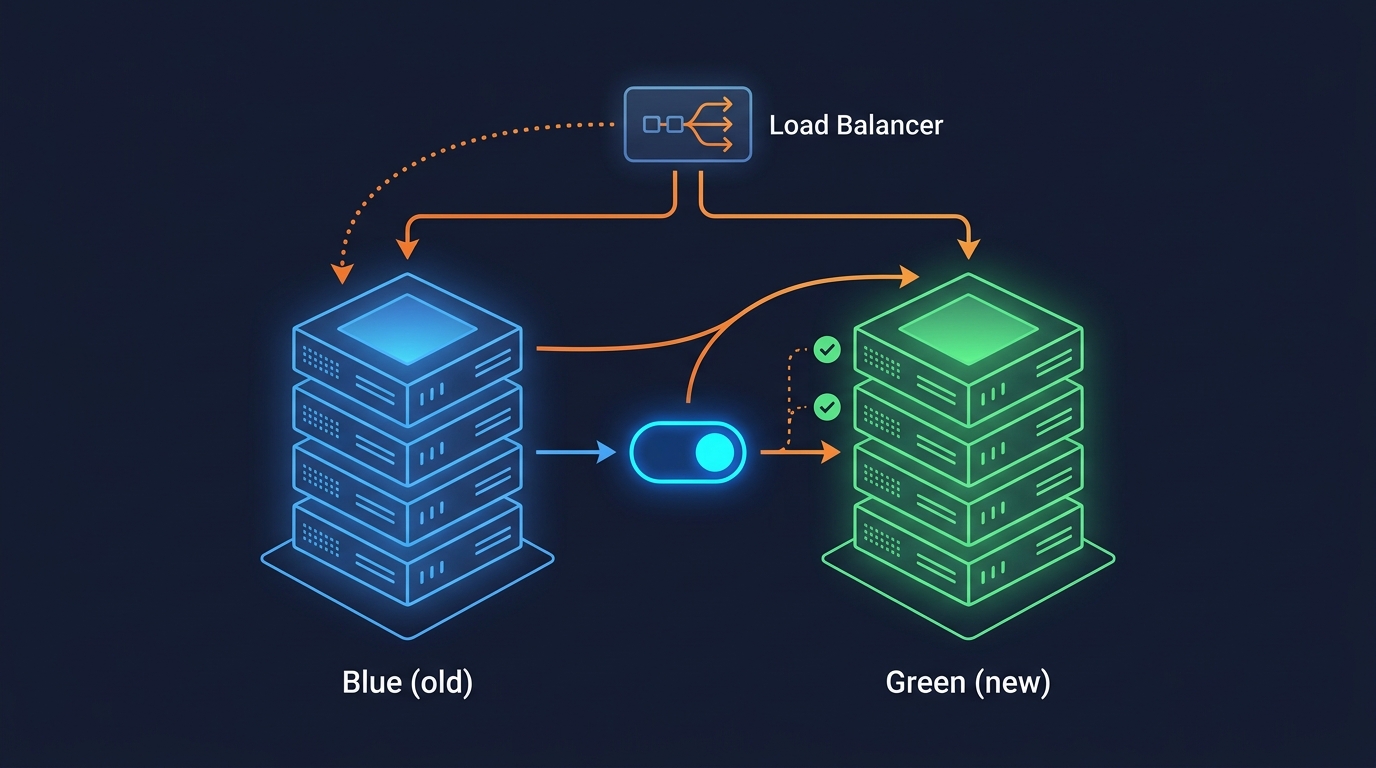
ECS blue/green without downtime: CodeDeploy canary/linear still works — and native ECS BLUE_GREEN (2025+) is now a first-class path. July 2026 checklist: hooks, alarms, dual-run cost.
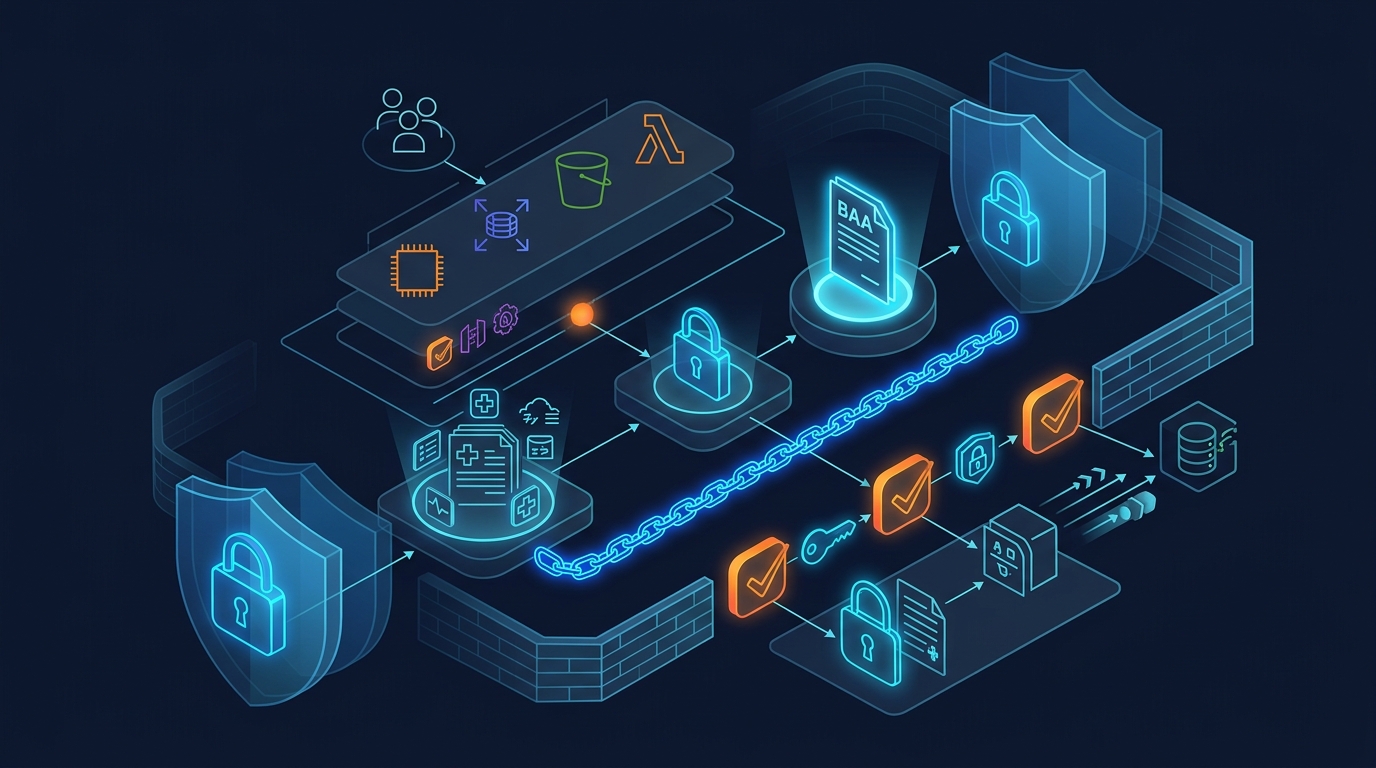
HIPAA on AWS build guide: BAA via Artifact, eligible services, KMS/VPC/RDS/S3 patterns. July 2026 engineering checklist.
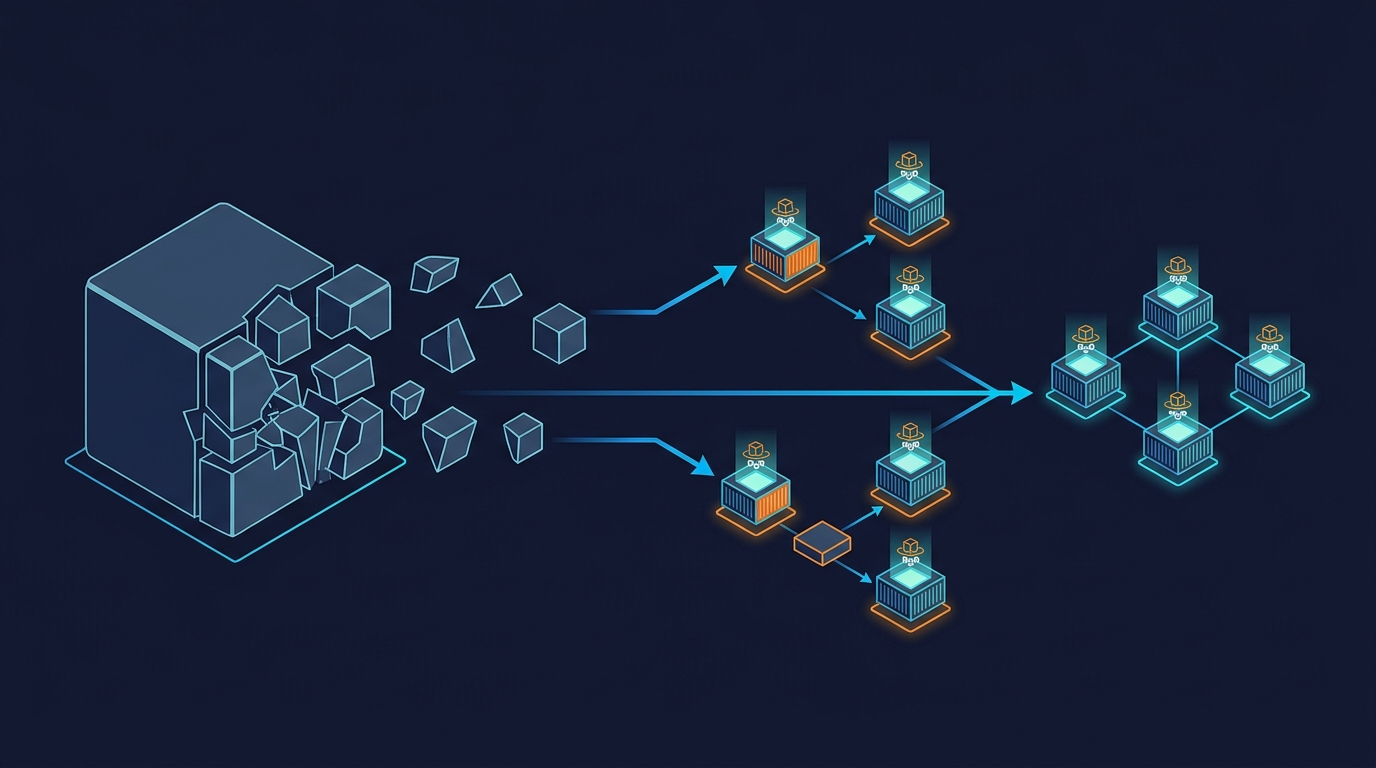
Monolith → Fargate without a big-bang cutover: containerize, ALB weights 10→50→100, keep blue 2–4 weeks. July 2026 cutover checklist.
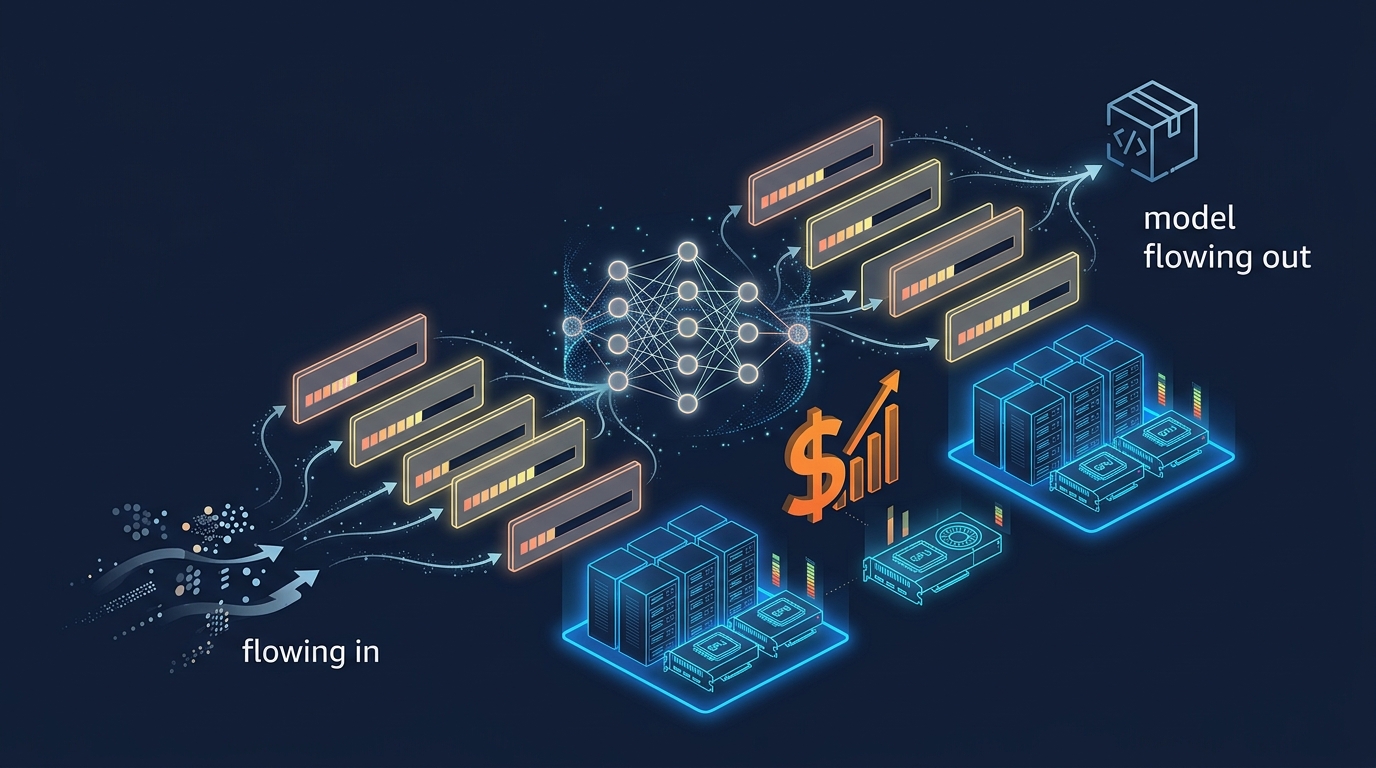
Amazon SageMaker automates ML training, but instance costs add up fast. This guide covers spot instances, instance selection, distributed training, and production patterns to reduce SageMaker costs by 50-70%.

Amazon Bedrock Guardrails protect foundation models from harmful outputs — filtering on prompt injection, jailbreaks, toxicity, and PII. This guide covers setup, testing, cost optimization, and production safety patterns for GenAI applications.
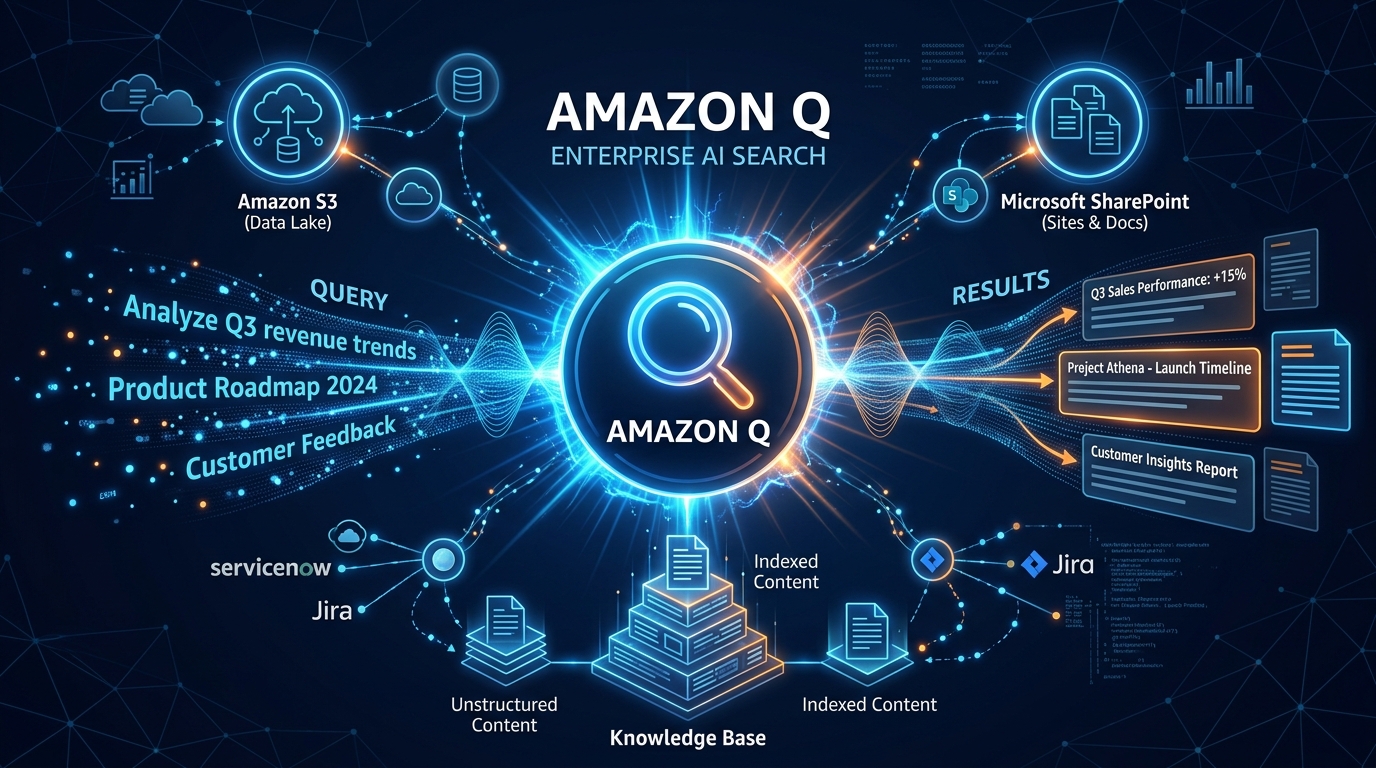
Amazon Q for Business is a generative AI assistant for enterprise search and document retrieval. This guide covers setup with SharePoint and S3 data sources, user management, and production deployment patterns.
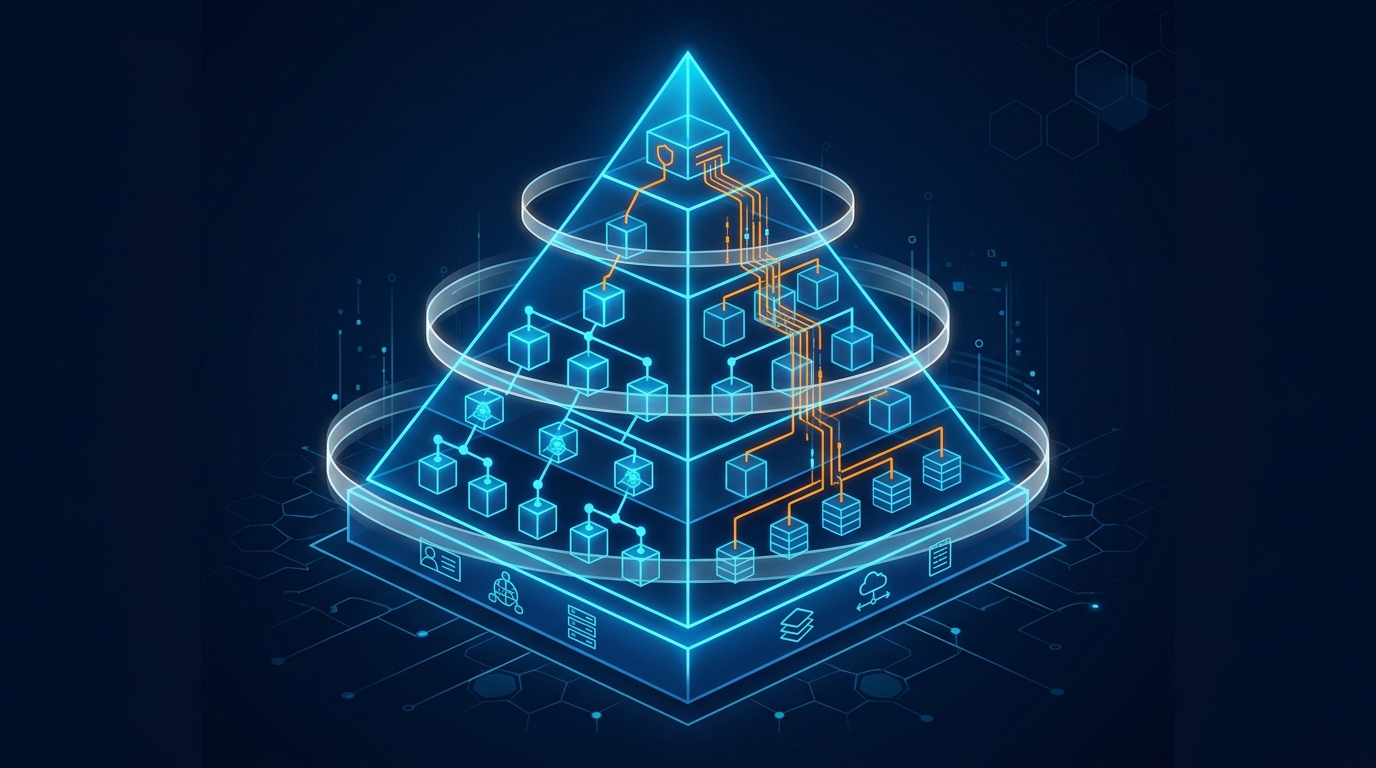
AWS Control Tower automates multi-account management — setting up guardrails, enforcing compliance policies, and centralizing billing. This guide covers setup, customization, and production governance patterns.
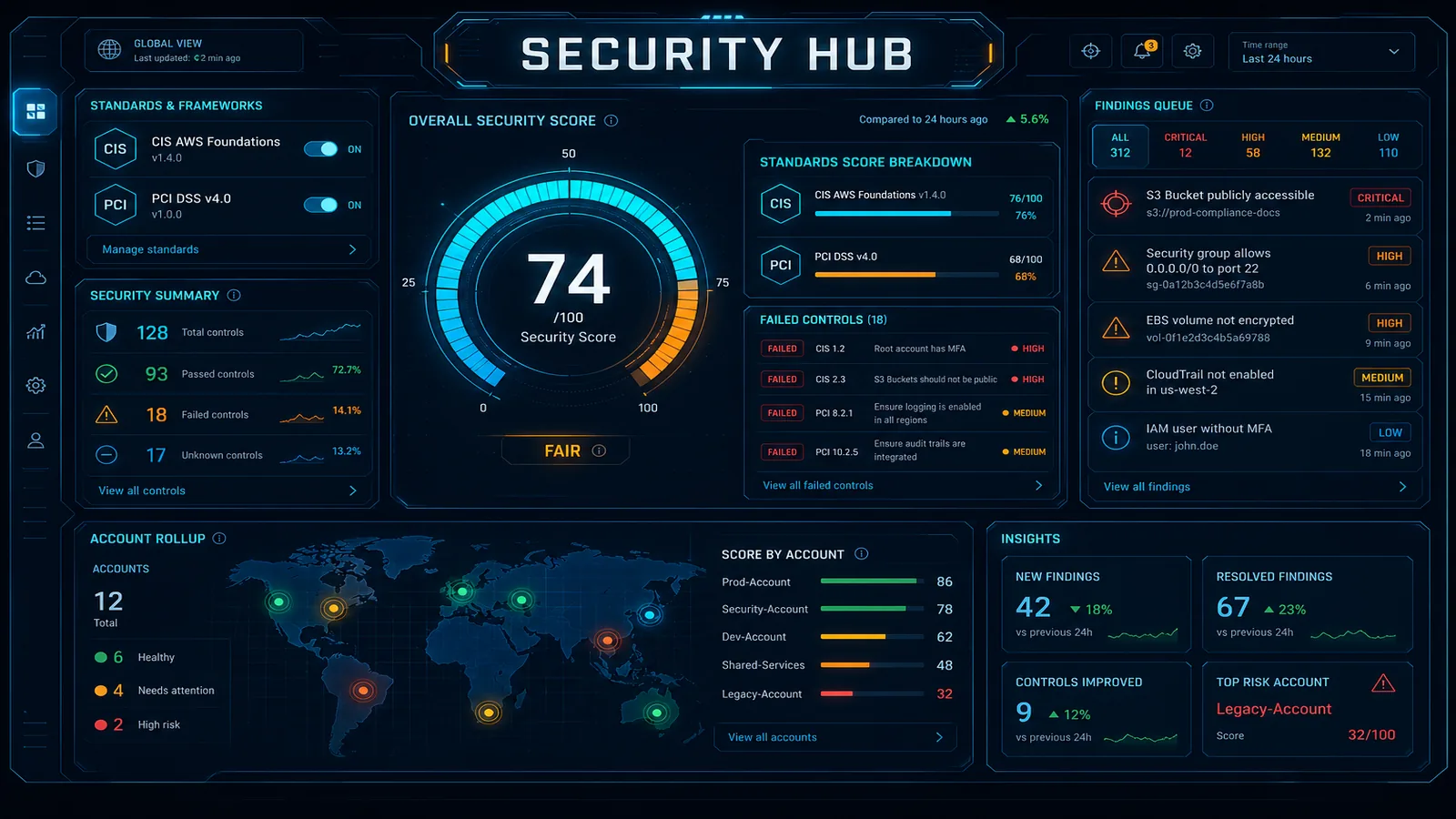
AWS Security Hub aggregates security findings from 200+ sources and, as of Jul 14 2026, includes AI inventory for org-wide AI assets. This guide covers setup, compliance standards, AI inventory, automated remediation, and a compliance dashboard without hiring a SOC team.
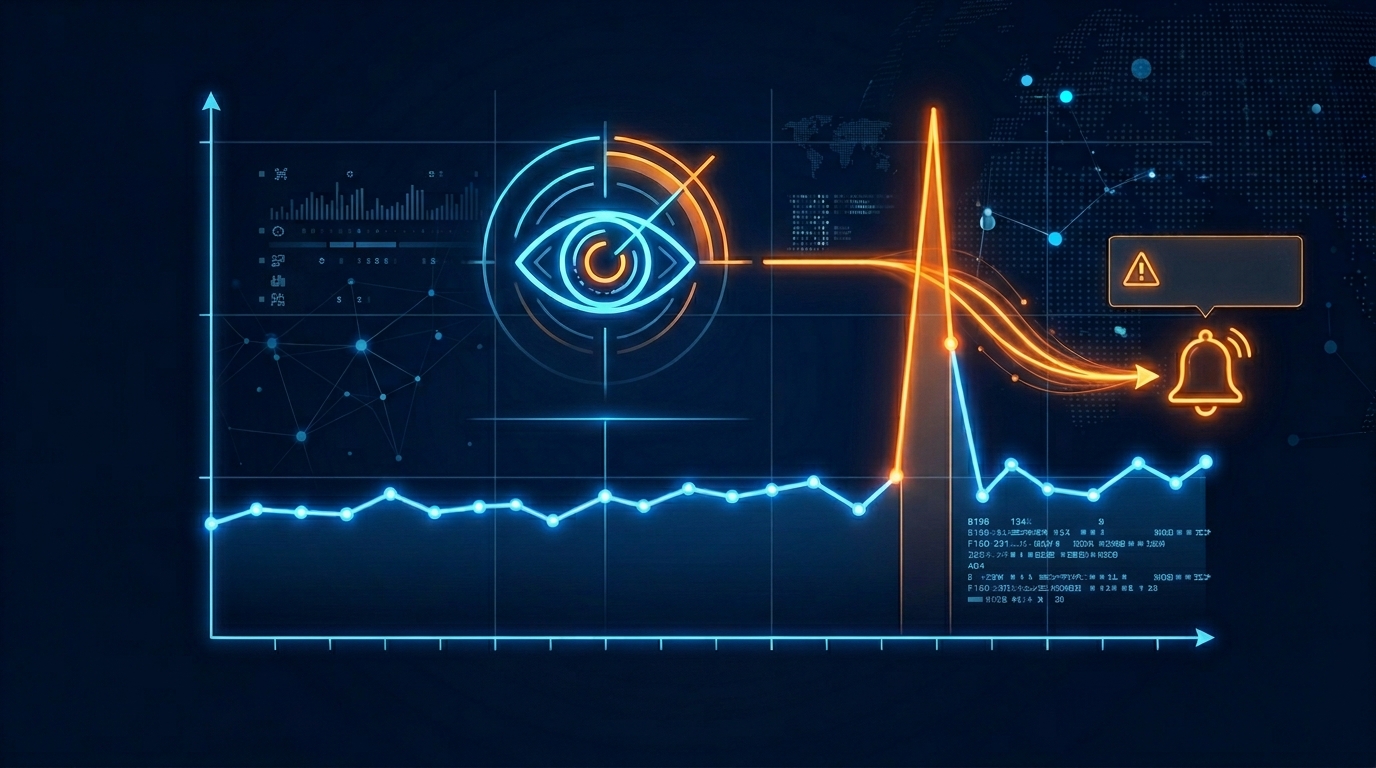
AWS Cost Anomaly Detection uses machine learning to flag unusual spending patterns — runaway EC2 instances, unexpected Lambda spikes, or compromised credentials. This guide covers setup, alerting, and automation to prevent bill shock.
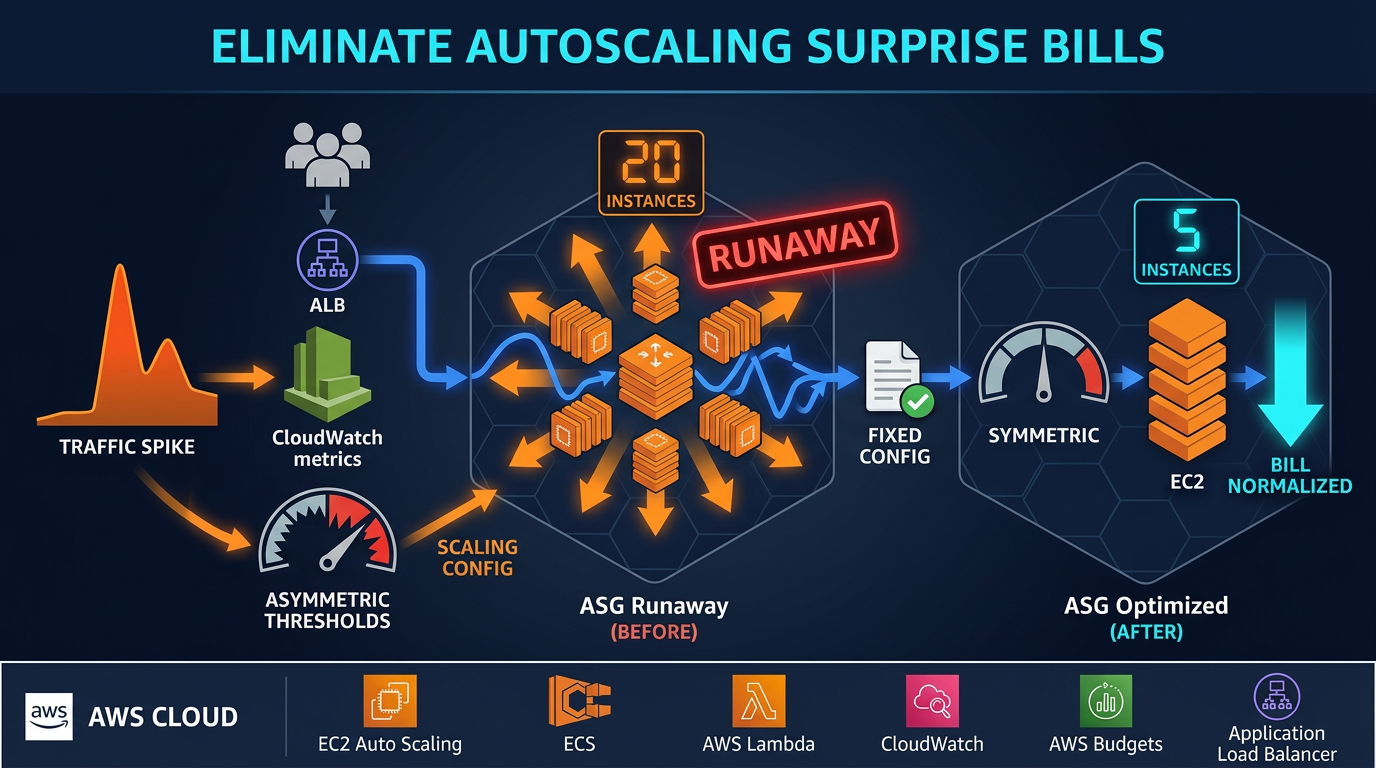
Autoscaling surprise bills are pattern-shaped: asymmetric thresholds, bad metrics, Lambda duration, Spot storms. July 2026 refresh — target tracking, Budget Actions, FinOps Agent.
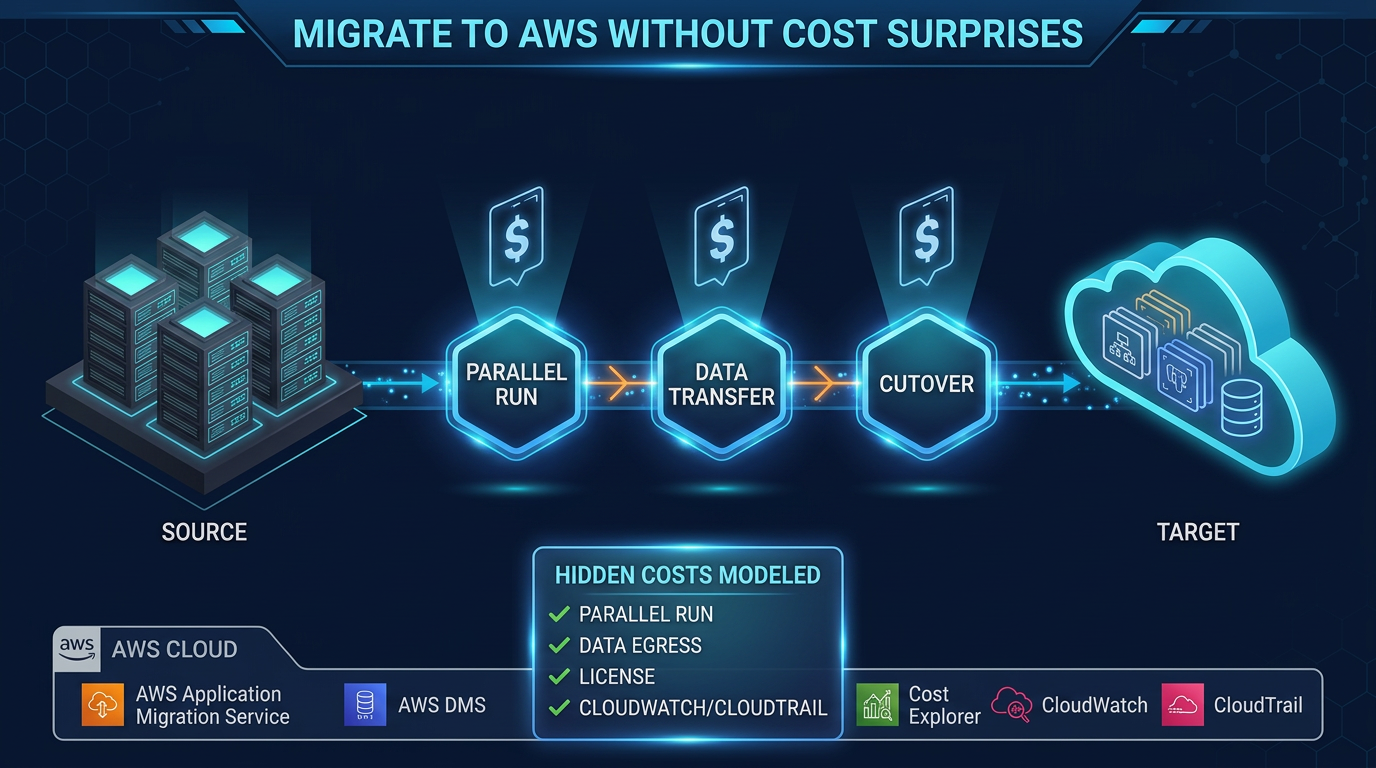
Migration TCO tools nail steady-state and miss the gap: dual-run weeks, DMS, DC egress, day-1 Config/GuardDuty. July 2026 — dual-run worksheet + MAP tagging note.
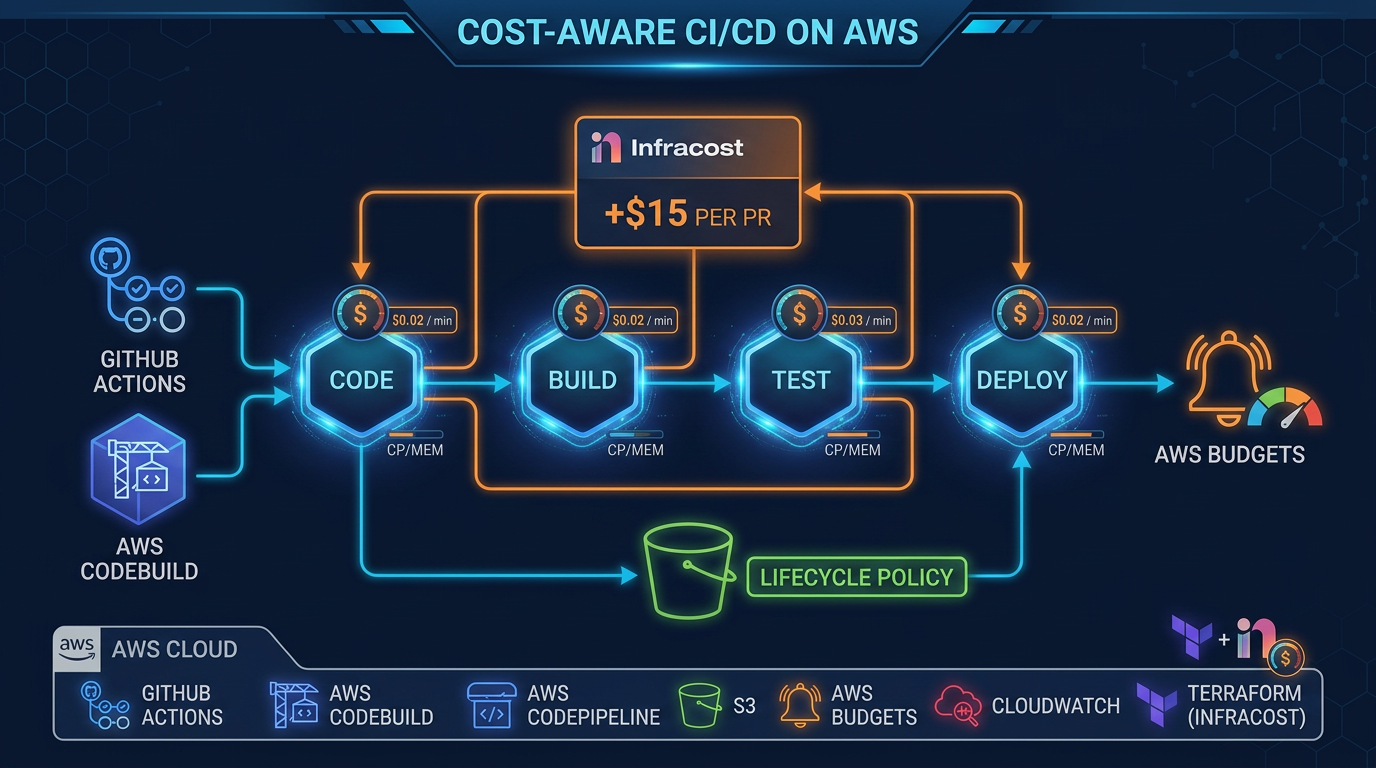
CI/CD infrastructure is invisible until your DevOps bill hits $15,000/month. Build minutes, artifact storage, and ephemeral environments accumulate costs that few teams track. Here is how to measure and control them.
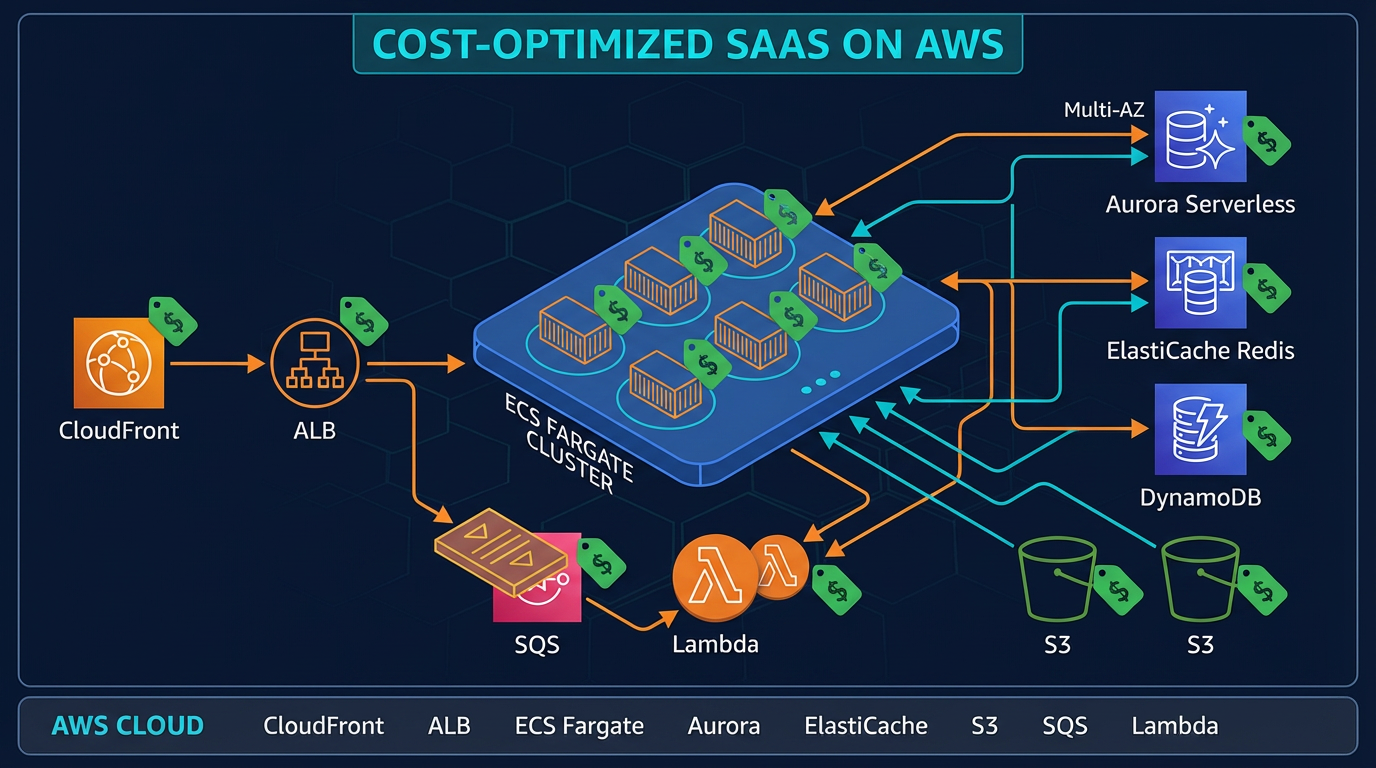
A B2B SaaS stack that costs $500/month at launch does not need to cost $50,000/month at 100,000 users if the architecture decisions at each stage are deliberate. This is the end-to-end reference architecture with real cost numbers.
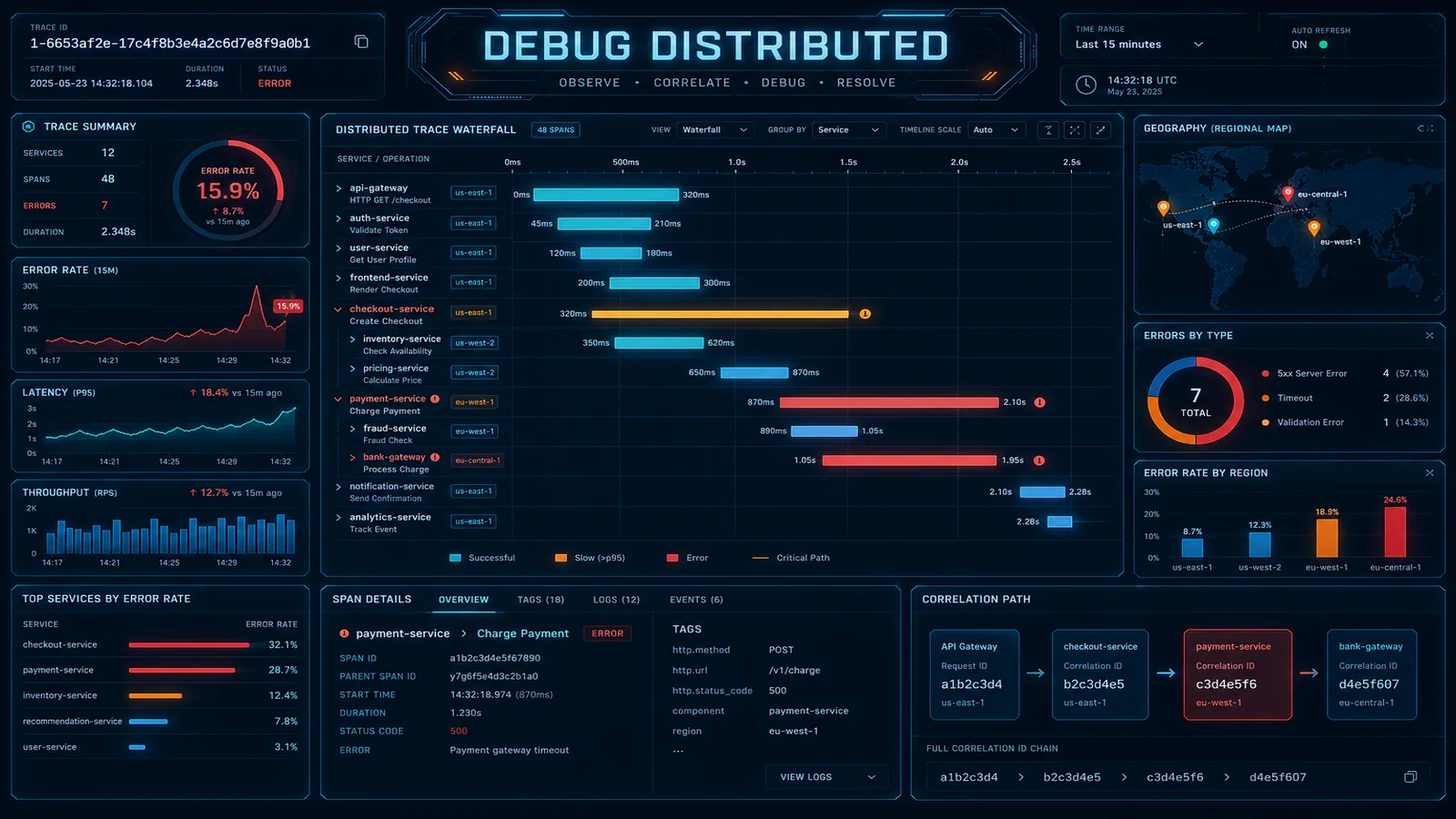
A 500ms latency spike in a distributed system could be a slow RDS query, a Lambda cold start, a downstream API timeout, or a CloudWatch Logs ingestion delay. Finding the cause requires correlated logs, traces, and metrics — not grep.
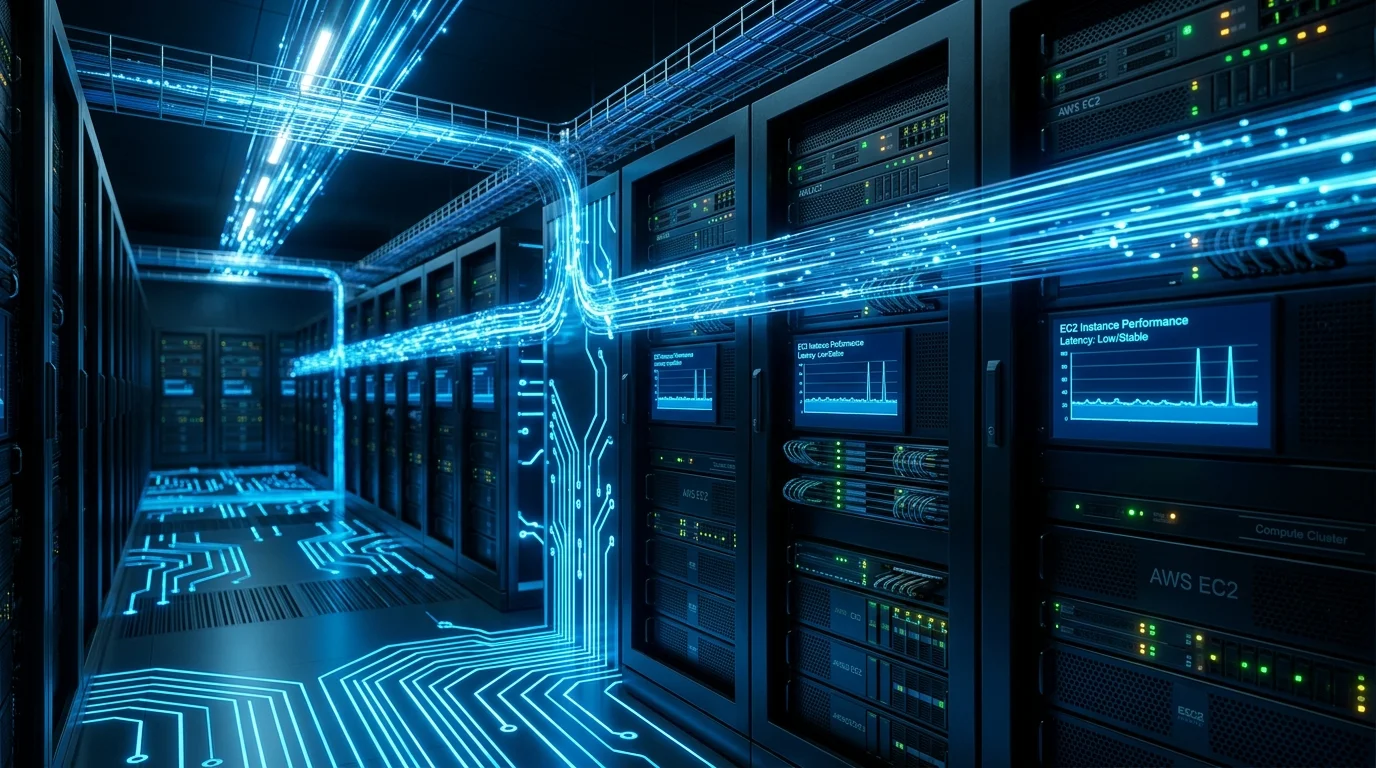
A technical deep dive into EC2 performance optimization for API workloads — covering instance family selection, Graviton vs x86 economics, network tuning, EBS configuration, and Linux kernel parameters that directly impact throughput and tail latency.
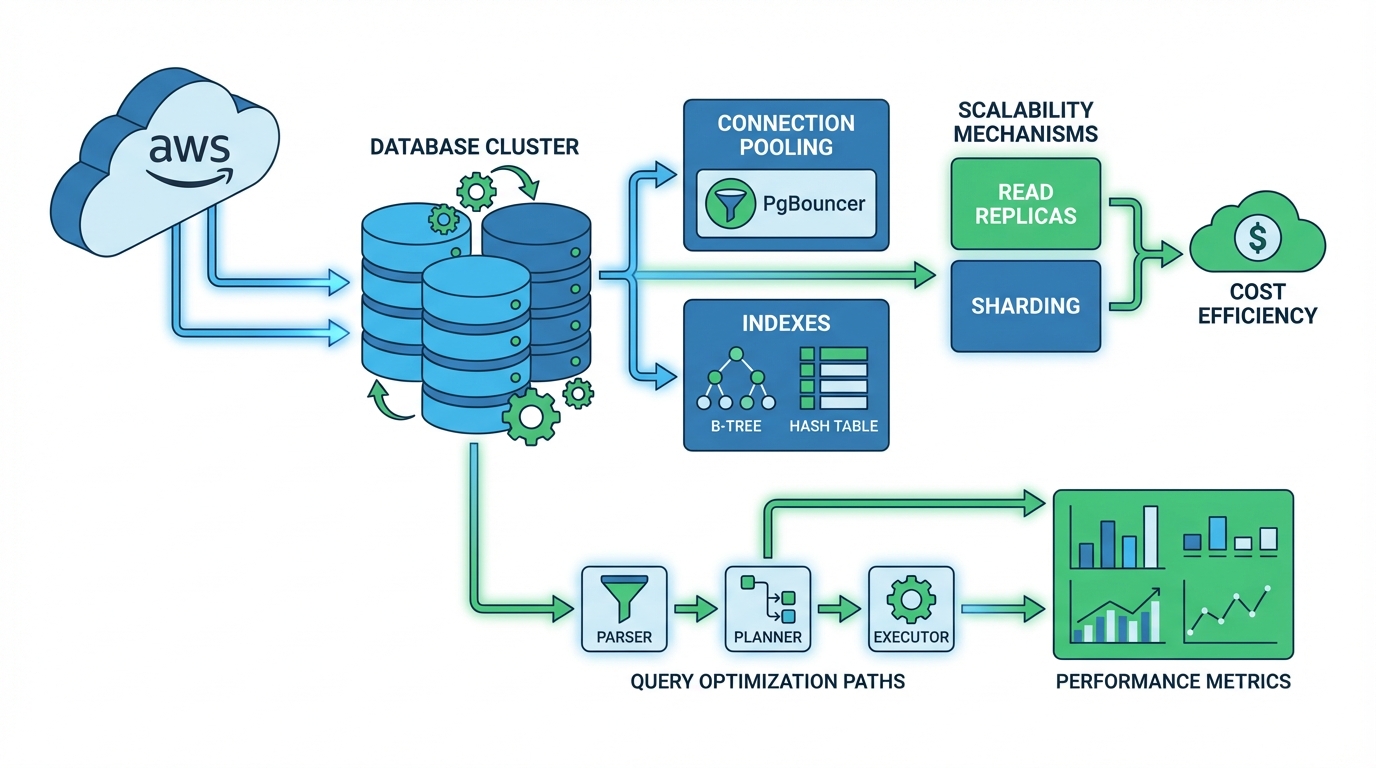
RDS, Aurora, and self-managed Postgres each have a cost breakeven point. This guide covers total cost of ownership, connection pooling with PgBouncer, indexing strategies, and the edge cases that turn Postgres into a billing surprise.
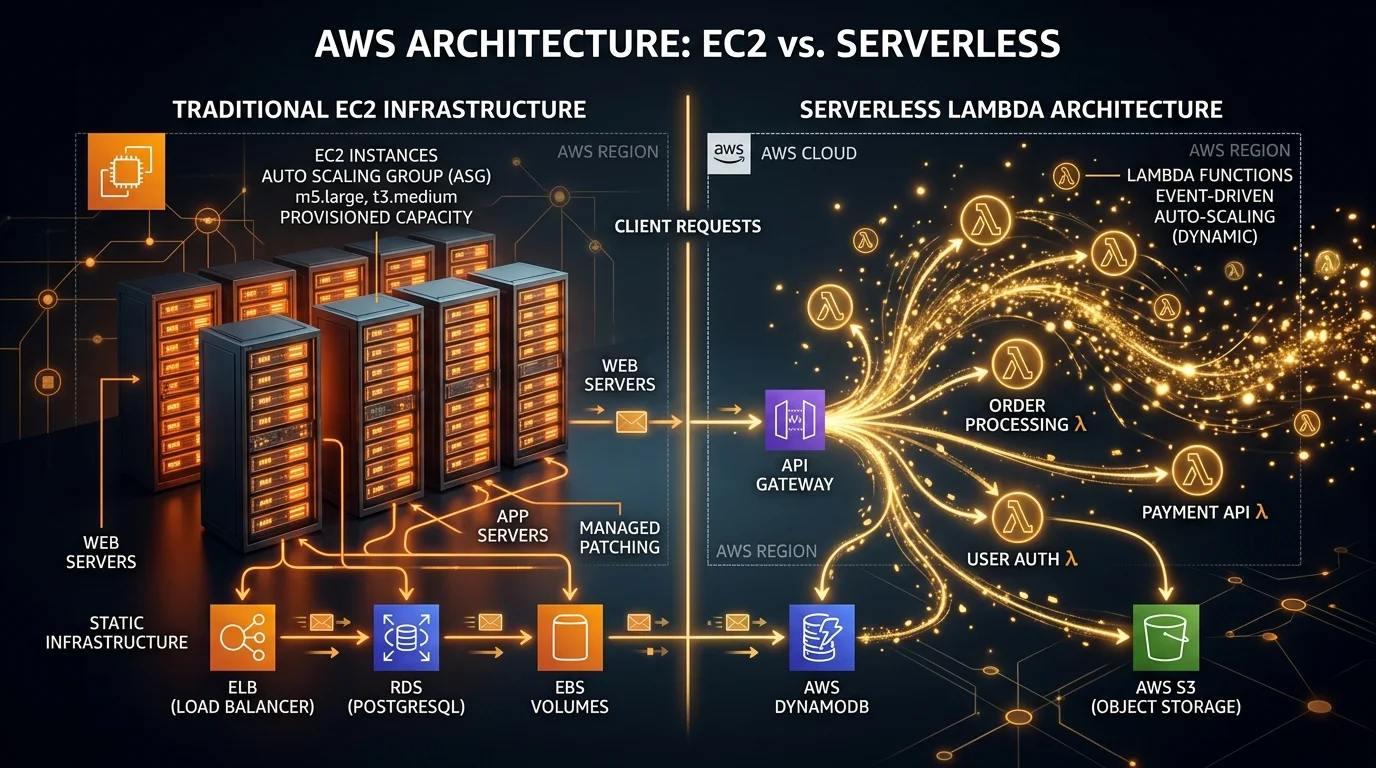
A technical guide to hybrid compute architectures that combine EC2, Lambda, Fargate, and Step Functions — with worked cost calculations, SQS buffering patterns, and decision frameworks based on invocation pattern rather than unit cost.
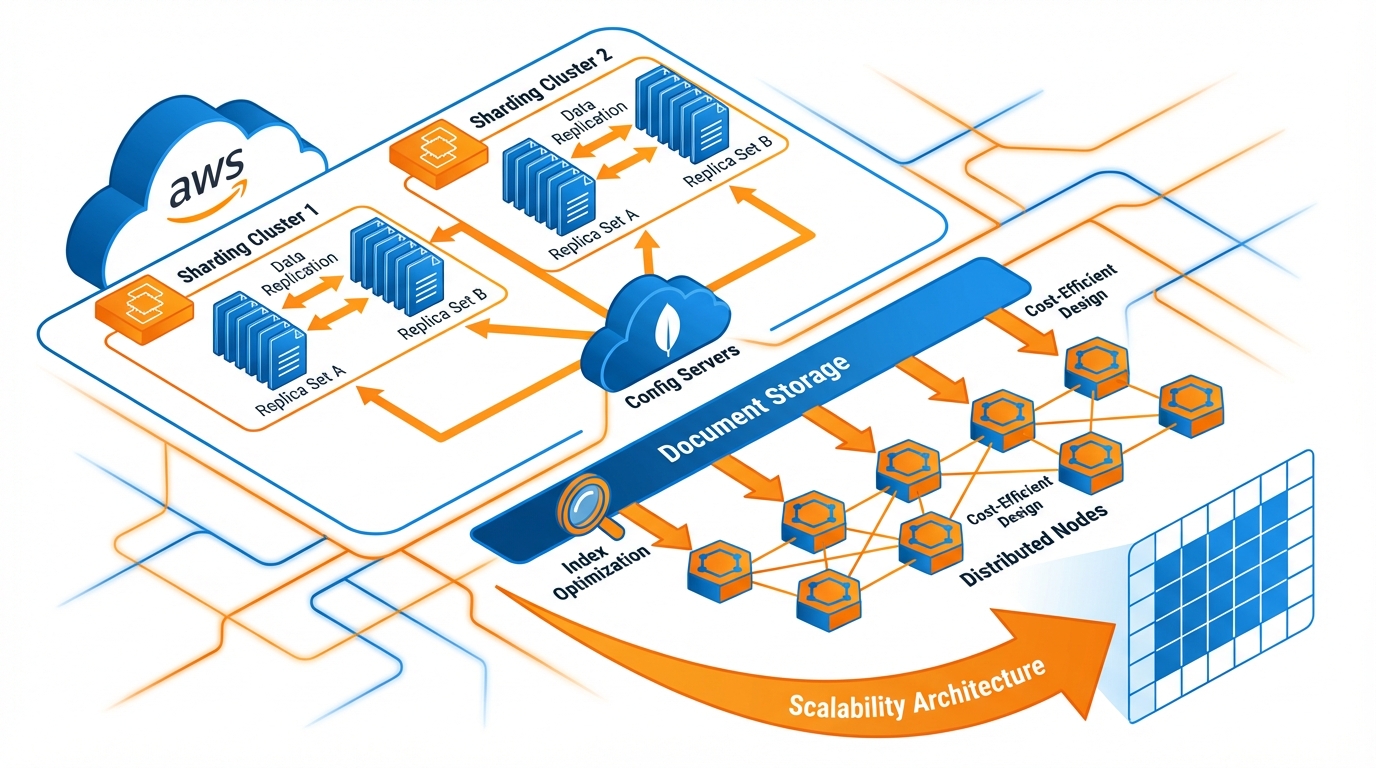
Atlas vs EC2 vs DocumentDB on AWS — TCO flips with DBA time, not $/vCPU. July 2026: index/cache pressure, hot shards, DocumentDB API-compat caveat.
Multi-region AWS architectures can easily cost 2–3× a single-region equivalent when data replication, cross-region transfer, and duplicated managed services are not accounted for. Here is how to architect for resilience without proportional cost growth.
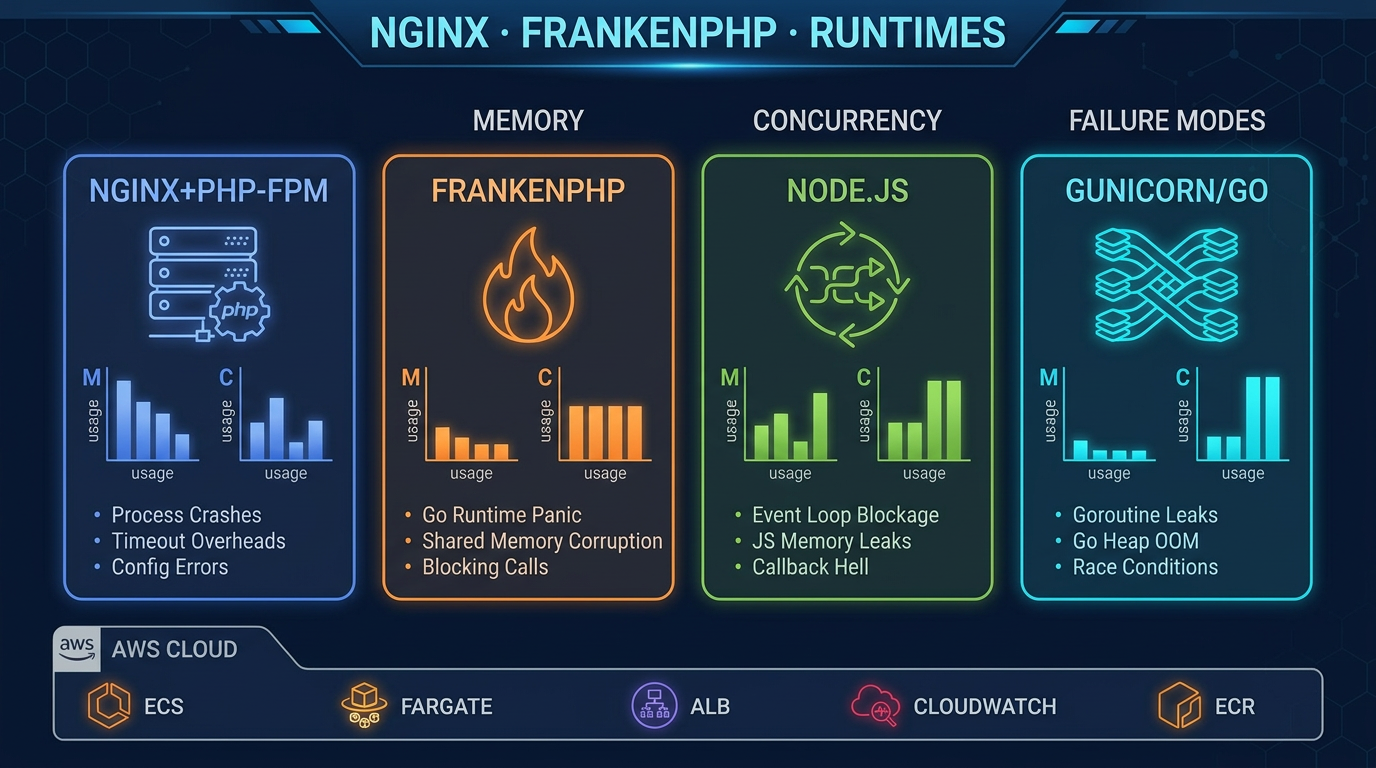
Pick runtimes by ECS density and team skills — not synthetic RPS. July 2026: FrankenPHP worker vs PHP-FPM, Node, Go memory bands + density matrix.
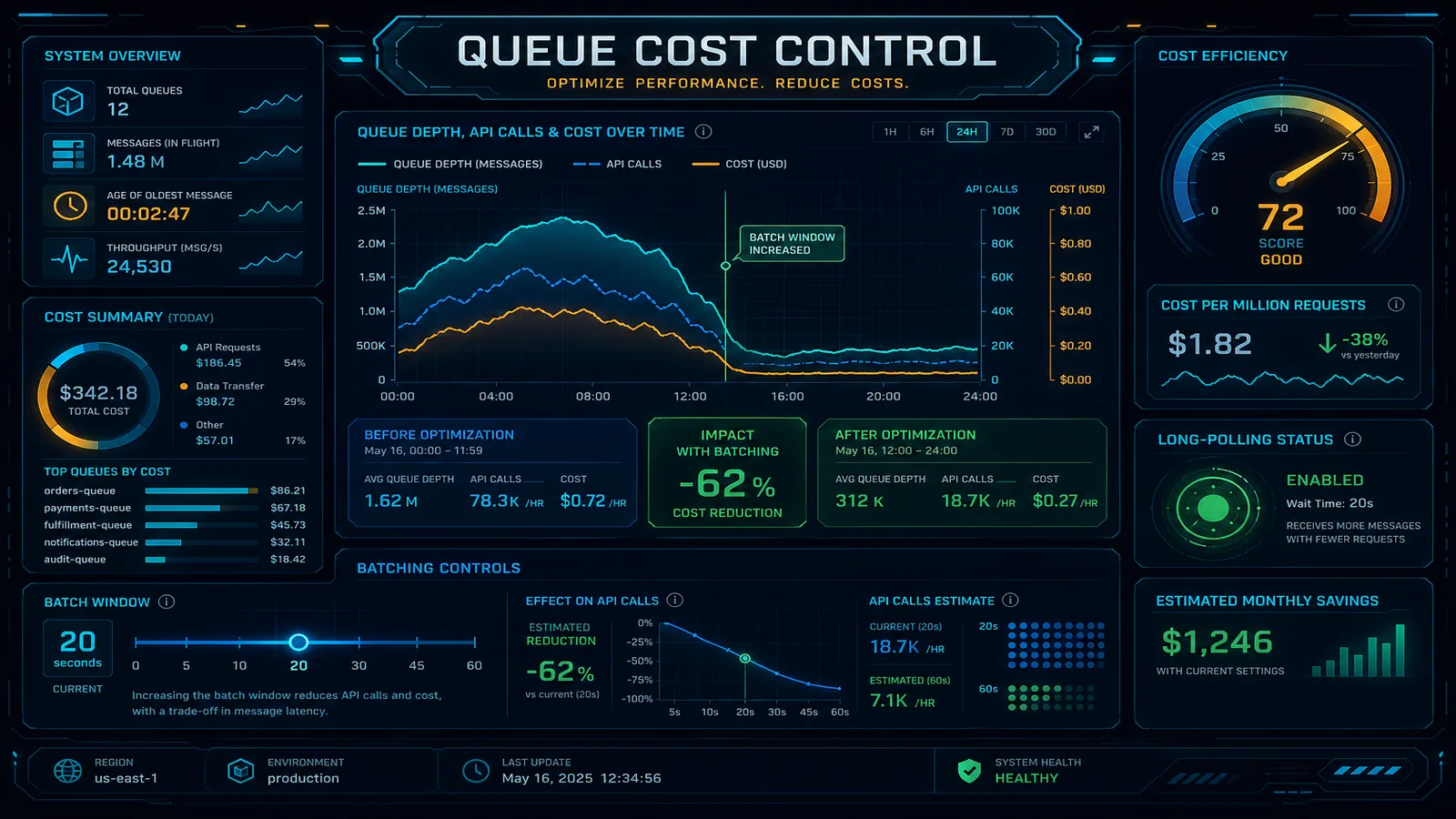
SQS is cheap until retry storms: short polling × uncapped workers. July 2026 — long poll 20s, visibility math, DLQ alarms, concurrency caps.
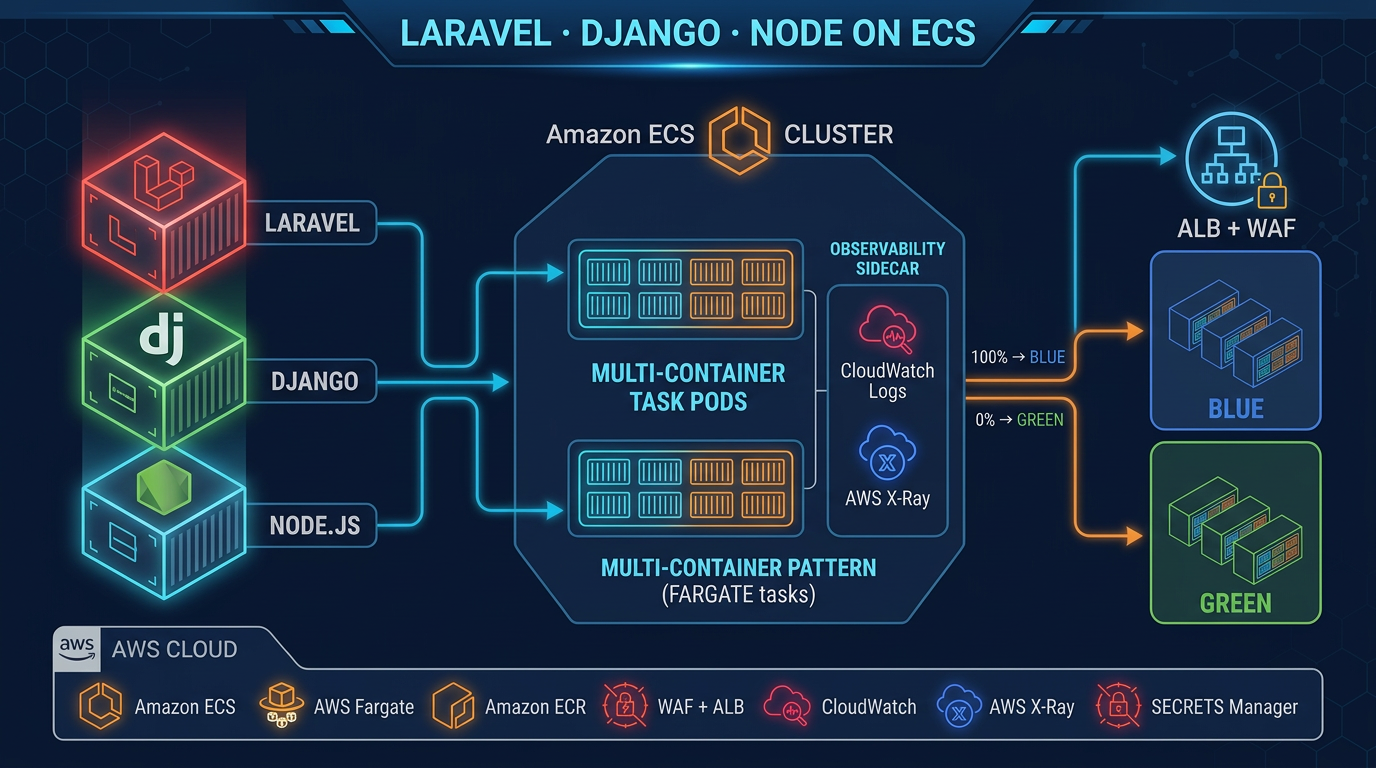
A deep technical guide to running PHP, Python, and Node.js applications on Amazon ECS in production — covering Fargate vs EC2, FrankenPHP vs Nginx+FPM, multi-container task patterns, zero-downtime deployments, and observability.
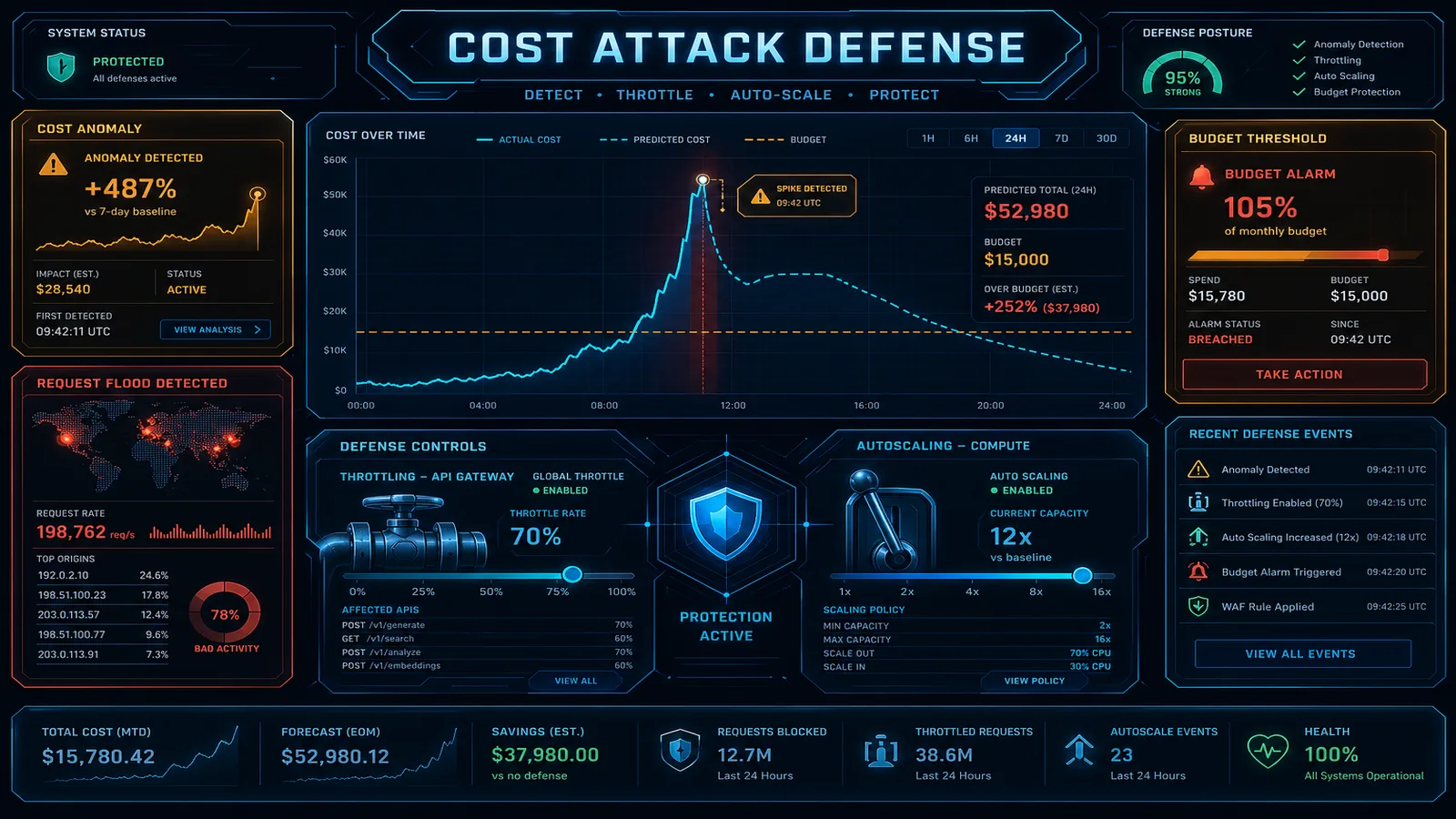
Billing attacks: CloudFront request floods, Lambda bombs, SQS/SNS OTP spam. July 2026 — WAF ceilings, reserved concurrency, Budgets Actions, FinOps backstops.
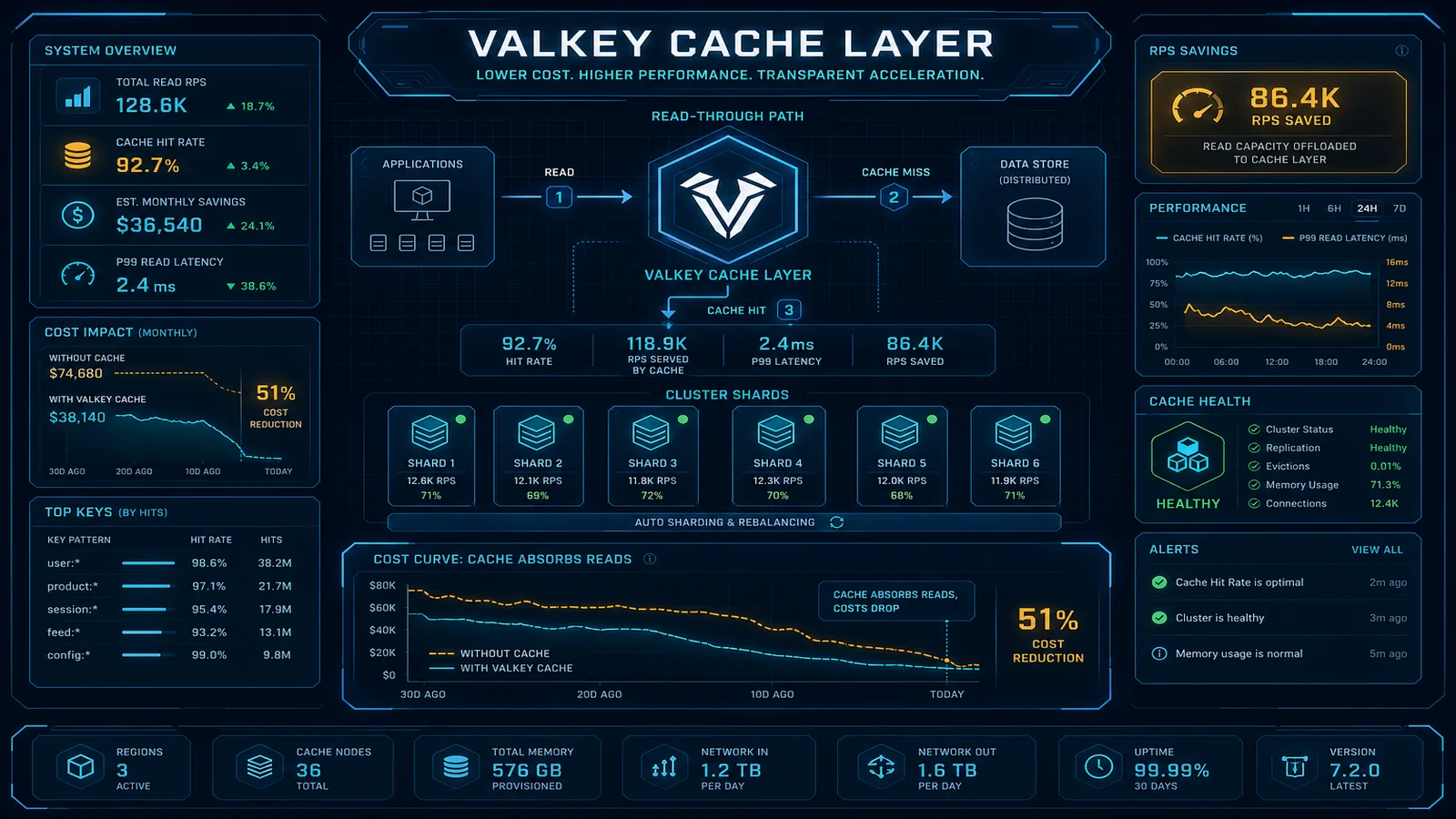
Valkey on ElastiCache: about 20% node / 33% serverless cheaper than Redis OSS engines. July 2026 — sessions, rate limits, locks, migration checklist.
SQS, MSK Kafka, and Redis queues are not interchangeable. Each has different cost models, ordering guarantees, and failure modes. This guide covers when to use each, how to autoscale workers on queue depth, and how to build idempotent consumers.
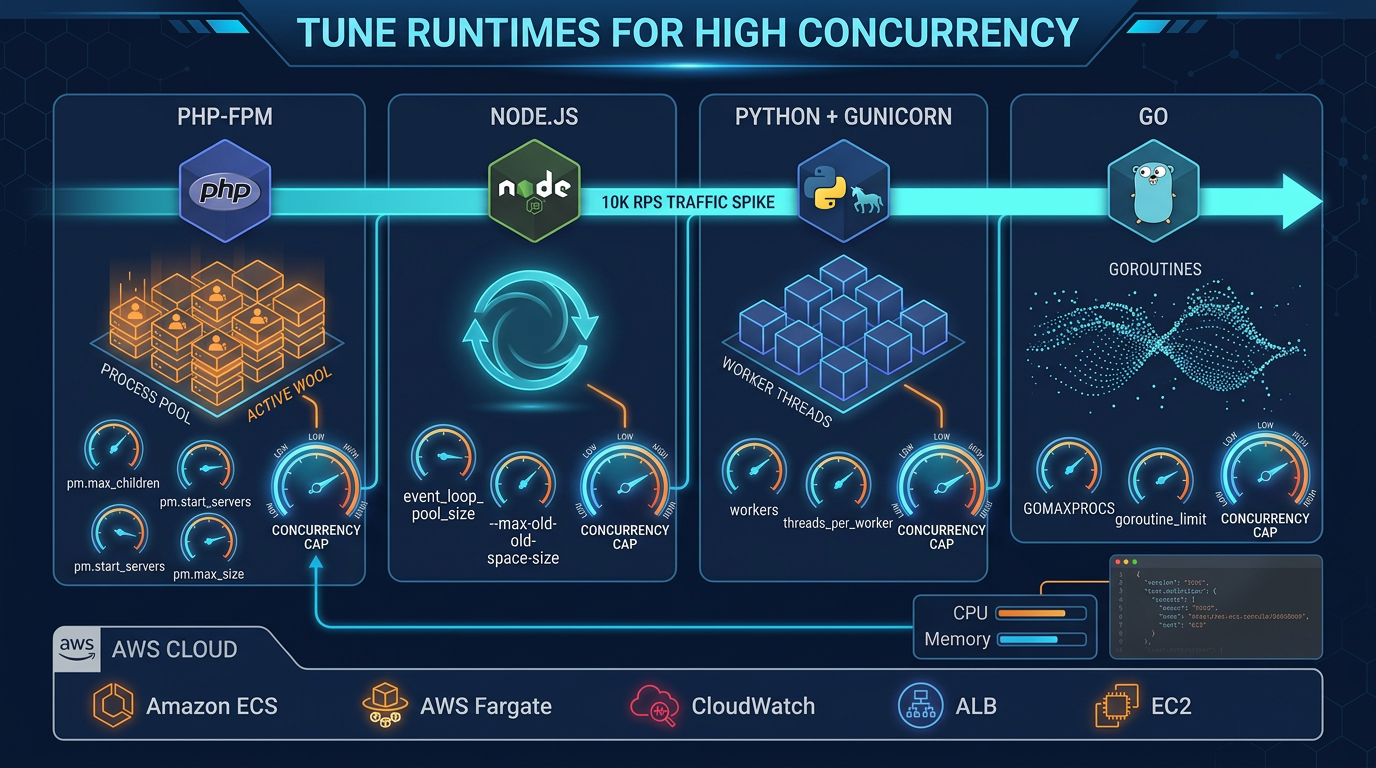
ECS concurrency: PHP-FPM vs Octane, Node event-loop lag, Gunicorn/asyncio, Go goroutines. July 2026 matrix + ulimit checklist.
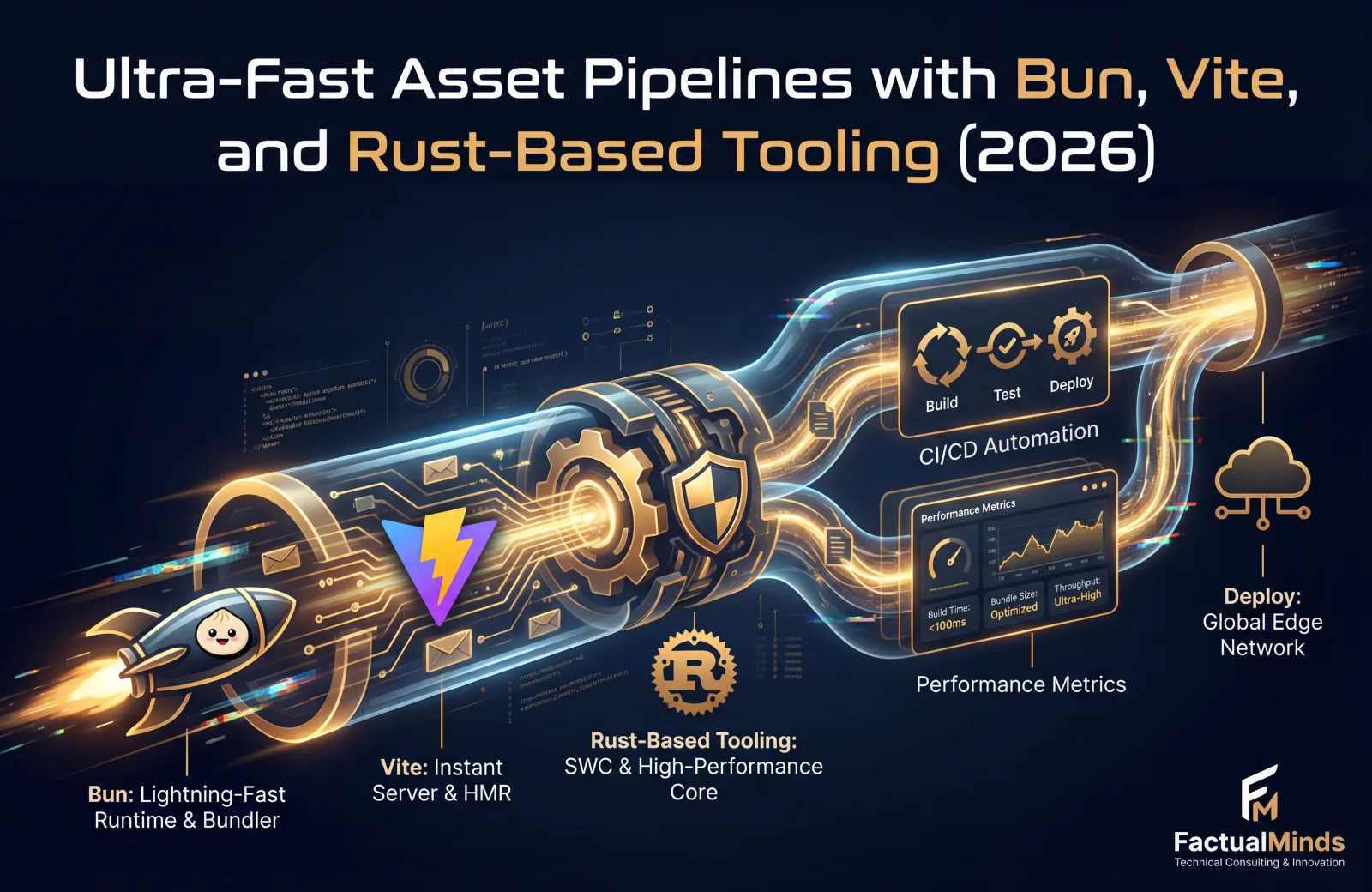
Vite 8 (March 2026) ships Rolldown by default. July 2026: Bun install, SWC, CodeBuild cache — cut CI build minutes.
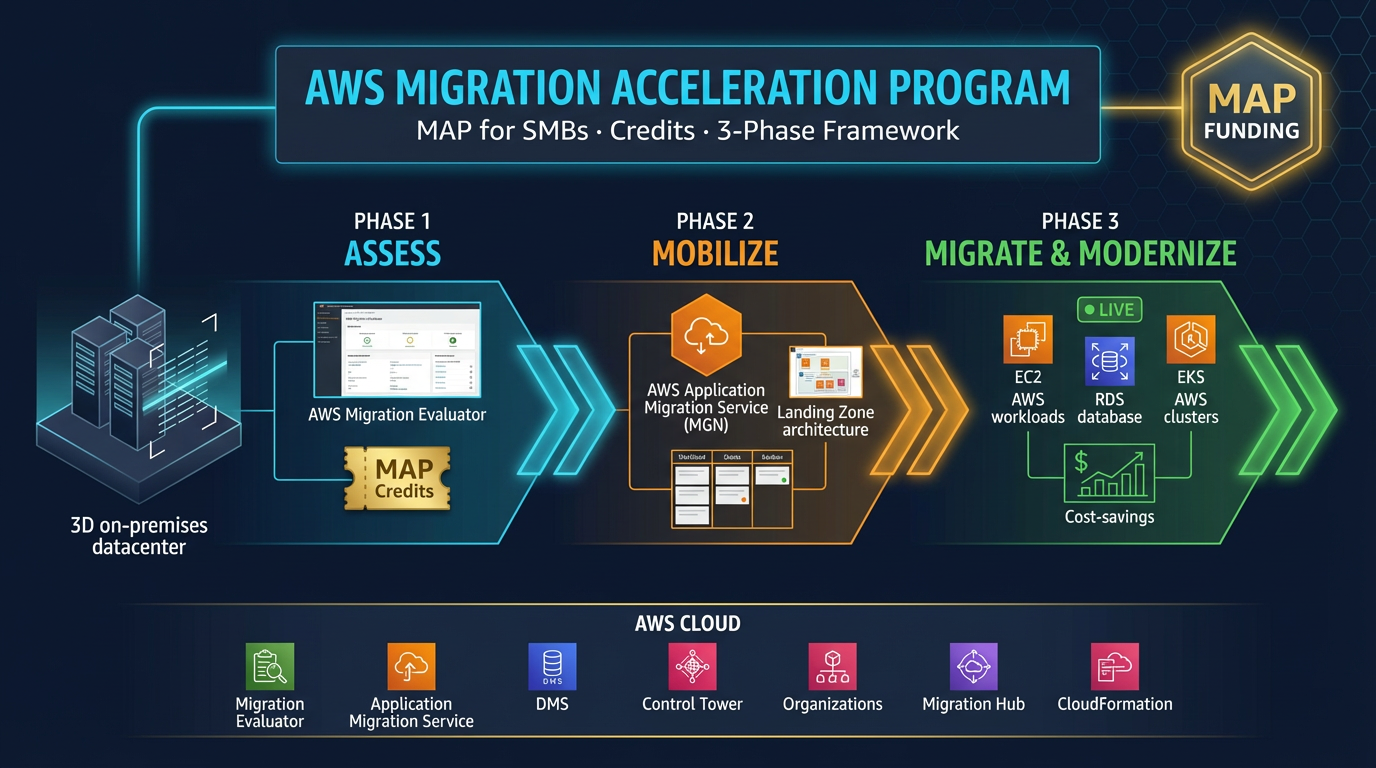
MAP still offsets dual-run migration cost — if you qualify and tag correctly. July 2026 SMB guide: Assess→Mobilize→Migrate, MAP 2.0 tagging, partner-confirmed ARR tiers (not self-serve credits).
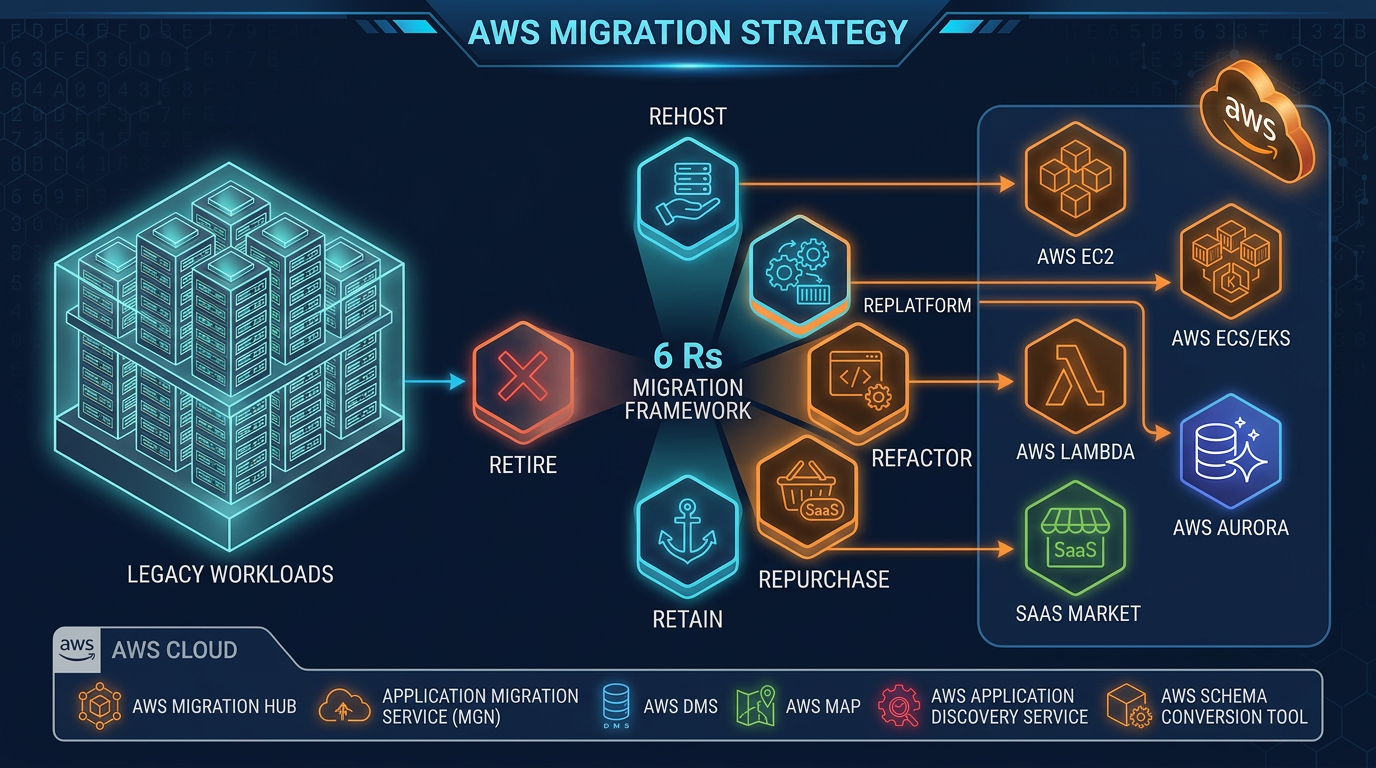
The difference between a successful AWS migration and a costly failure often comes down to strategy. A practical guide to choosing the right migration approach, building your roadmap, and avoiding the pitfalls that derail most projects.

Migrating from SendGrid to SES is mostly cheap — until your warm-up plan is wrong and deliverability falls off a cliff. DNS cutover, IP warming, API surface differences, and the deliverability checkpoints that keep email landing in inboxes through the switch.