palaniappan p7 min
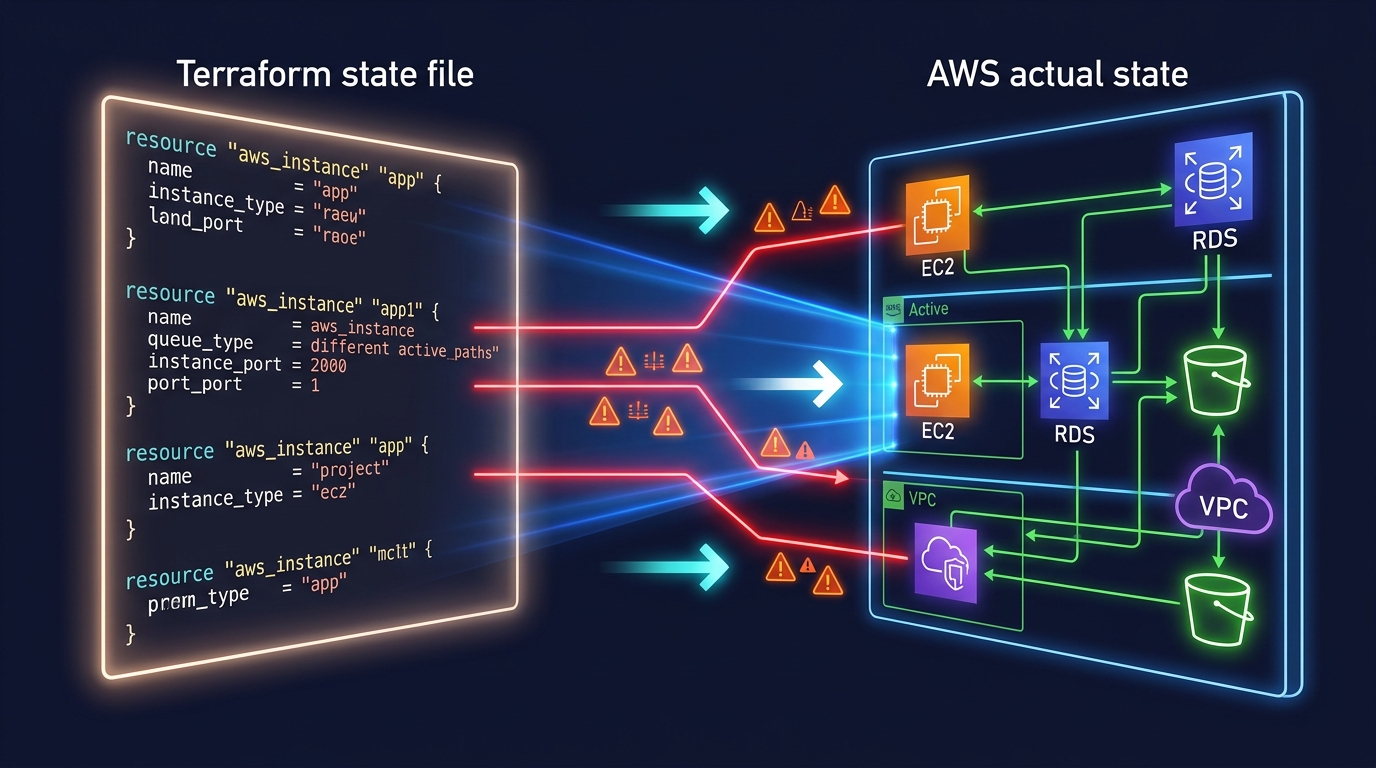
AWS Infrastructure Drift Detection: How to Find and Fix Config Drift Before It Breaks Production
Detect AWS config drift with terraform plan + Config. July 2026 runbook: schedule, triage, prevent console writes.

FactualMinds Blog
Expert perspectives on AWS cloud consulting, generative AI, and enterprise solutions.
Detect AWS config drift with terraform plan + Config. July 2026 runbook: schedule, triage, prevent console writes.
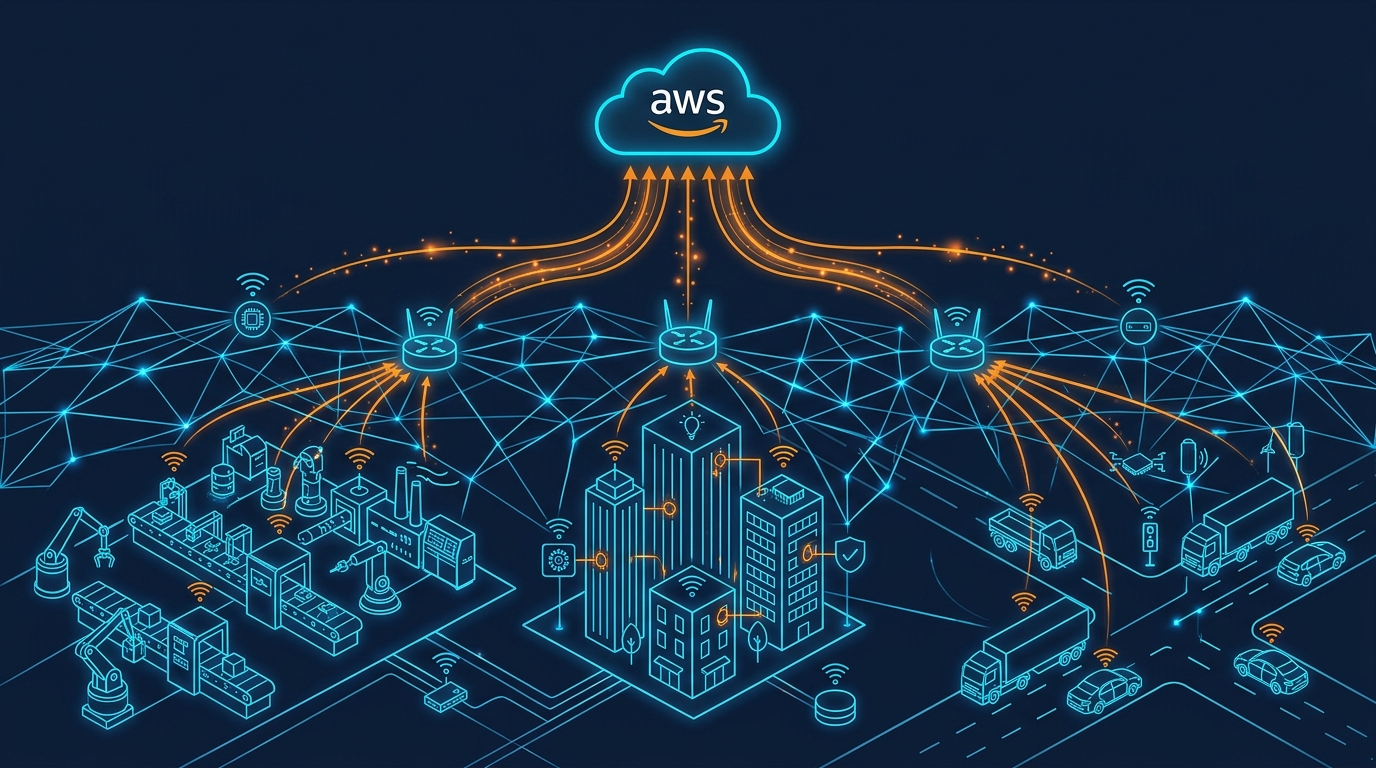
AWS IoT architecture patterns for manufacturing, smart buildings, and connected devices — from device connectivity to data ingestion, edge processing with Greengrass, and real-time analytics.
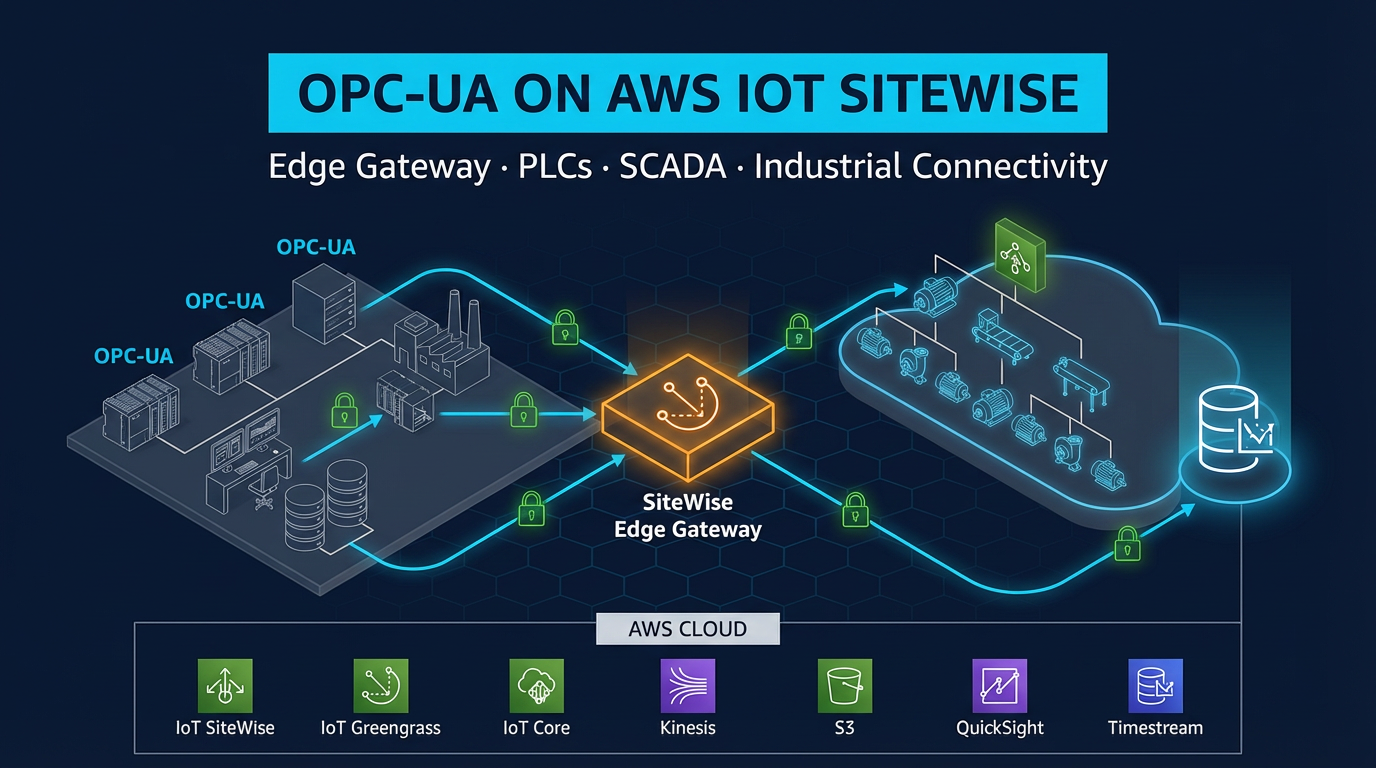
OPC-UA → SiteWise Edge on Greengrass v2. July 2026 refresh — MQTT V3 gateways, correct collector component name, DPP closed to new customers, production hardening checklist.
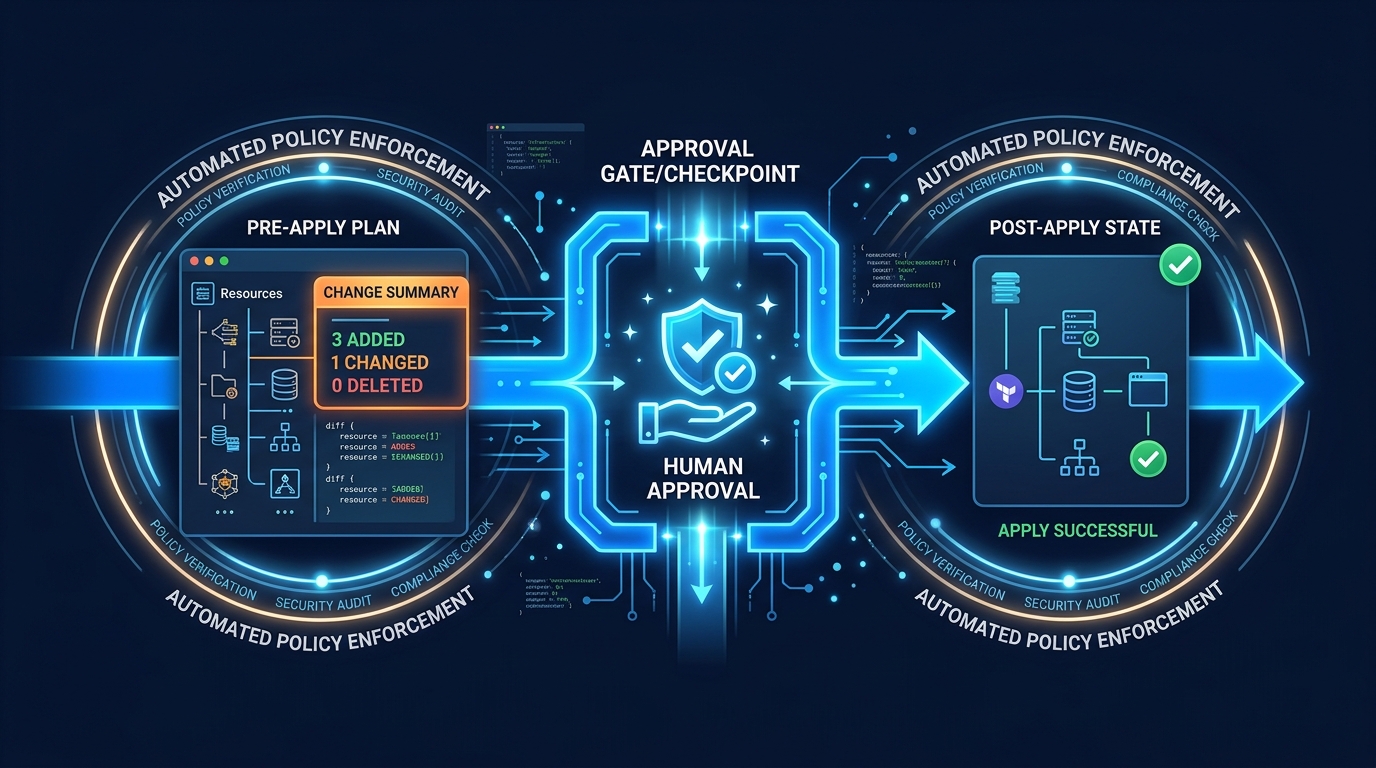
One bad `terraform apply` still deletes databases. July 2026: plan→review→apply, no -auto-approve, OIDC CI, Atlantis/HCP Terraform gates.
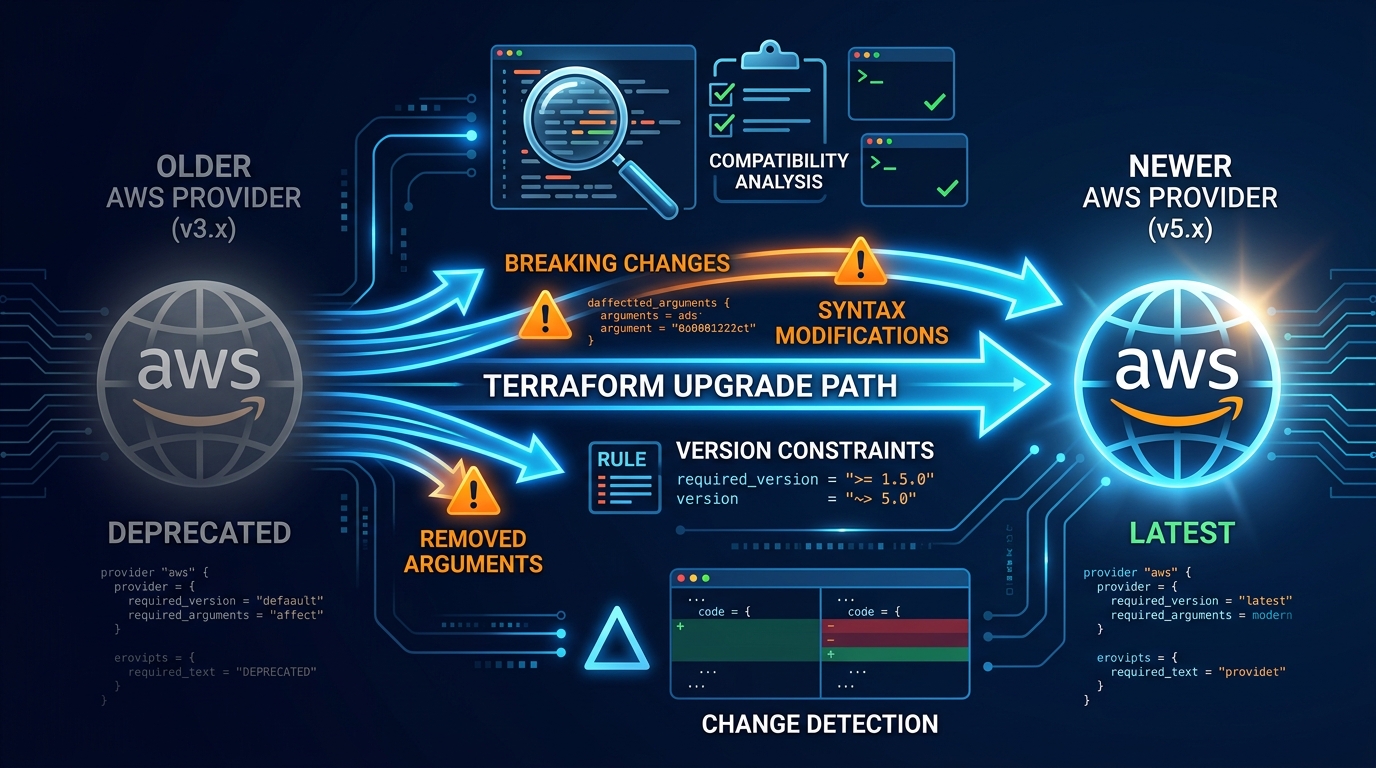
AWS provider 6.0 GA June 2025. July 2026: upgrade 4→5→6 one major at a time, changelog-first, staging plan, lockfile commit.
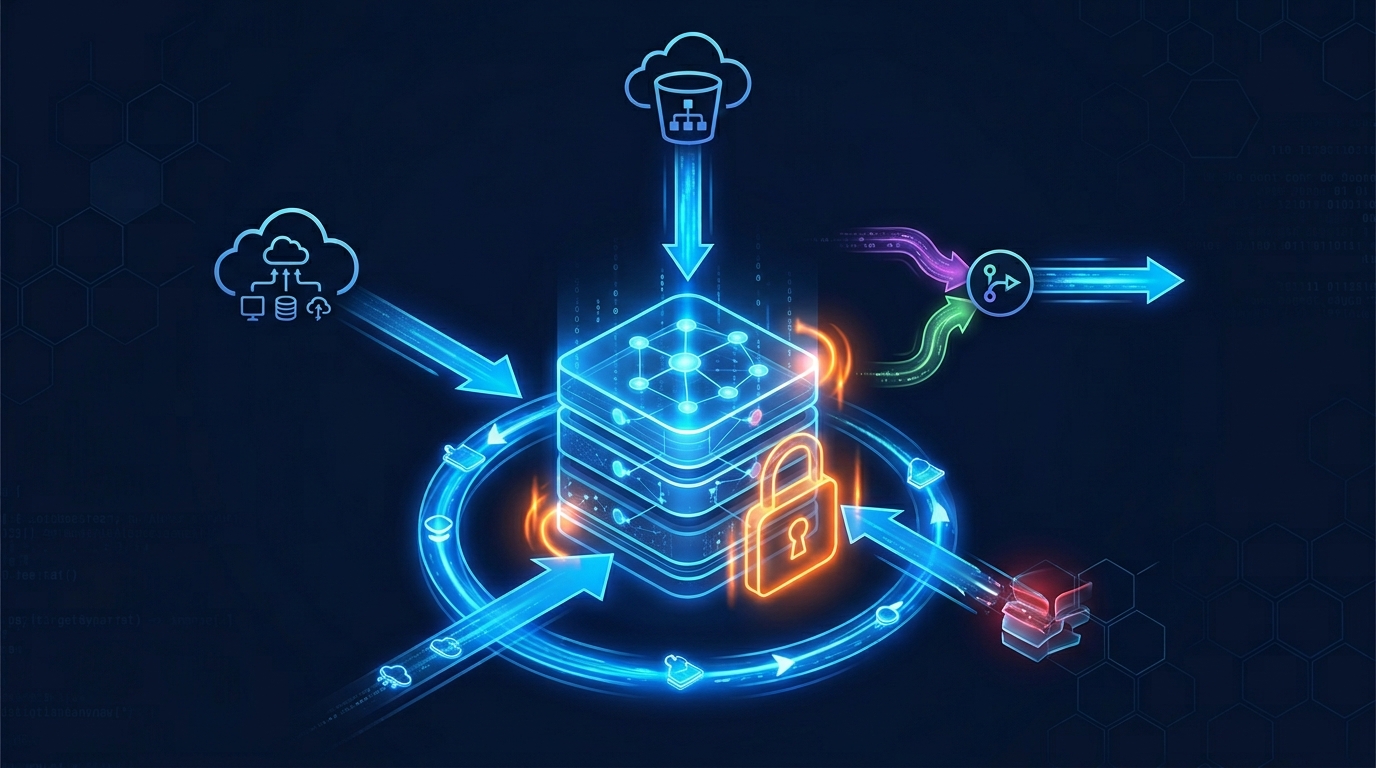
Terraform on AWS: import, state mv/rm, stuck locks. July 2026 — S3 use_lockfile (TF 1.10+); DynamoDB locking is legacy.
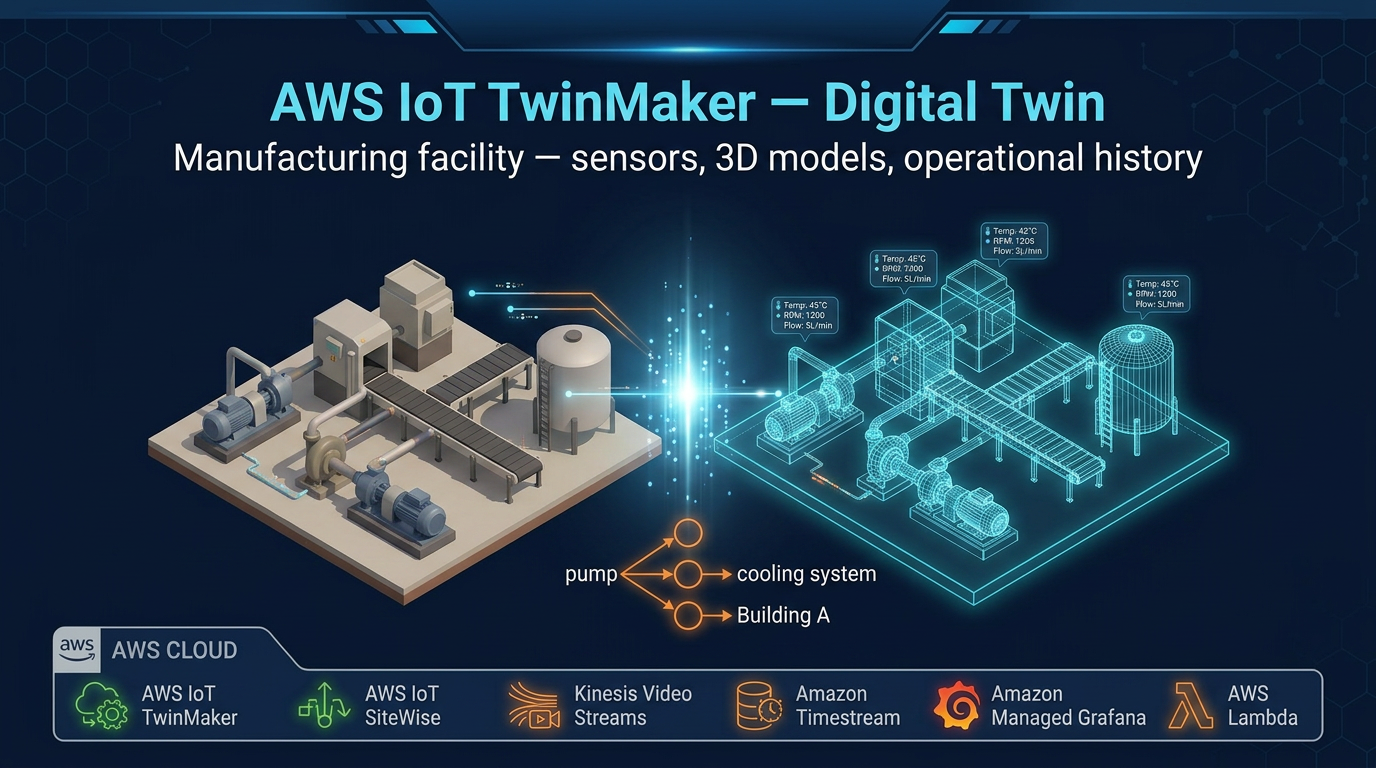
TwinMaker still earns its keep when spatial context beats line charts. July 2026 refresh — SiteWise connectors, Dynamic Scene, AMG (not SiteWise Monitor), and when a 3D twin is overkill.
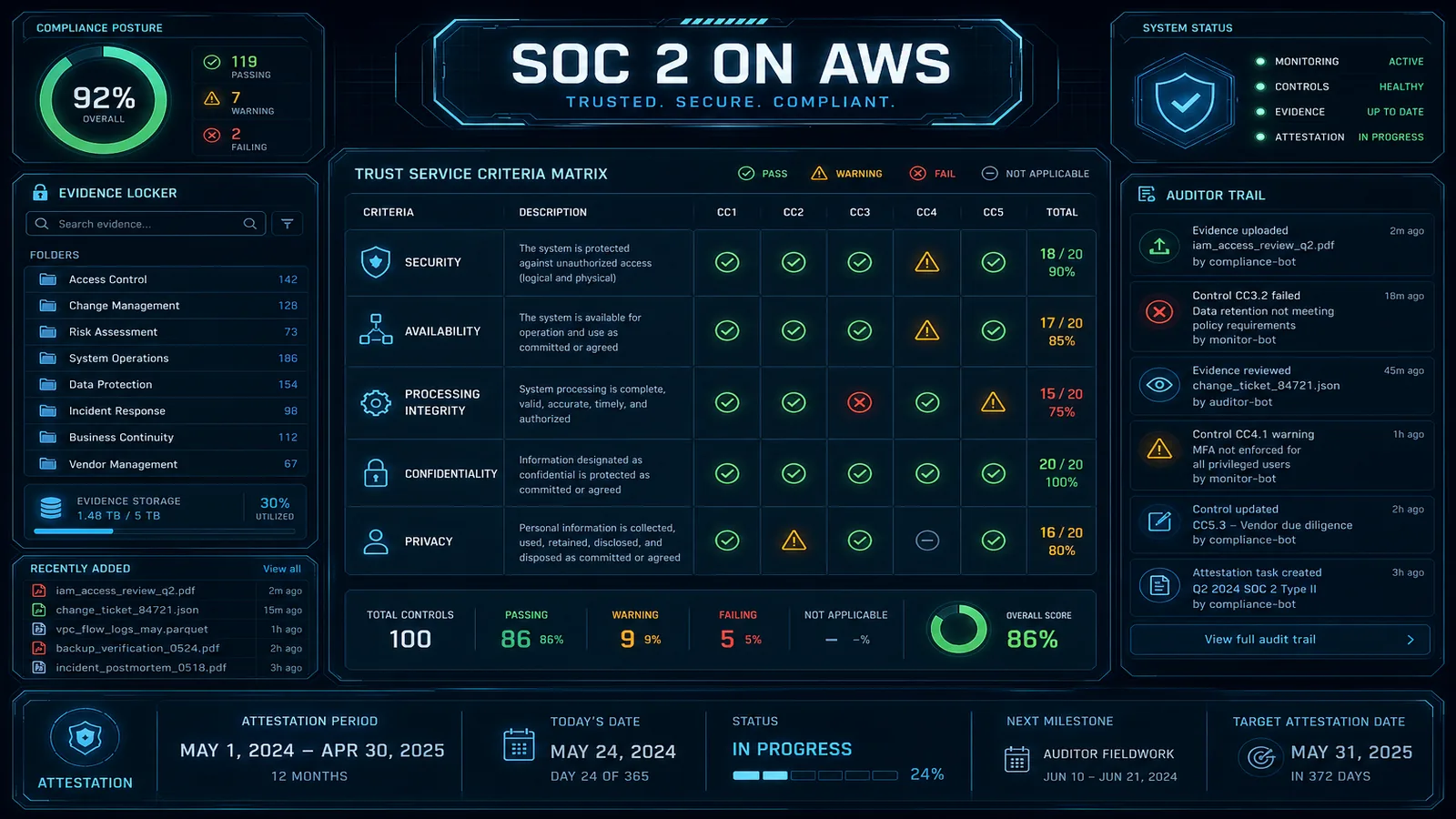
SOC 2 Type II certification proves your controls are effective over 6-12 months. This guide covers the compliance roadmap, AWS security controls, documentation requirements, and audit preparation for 2026 certification.
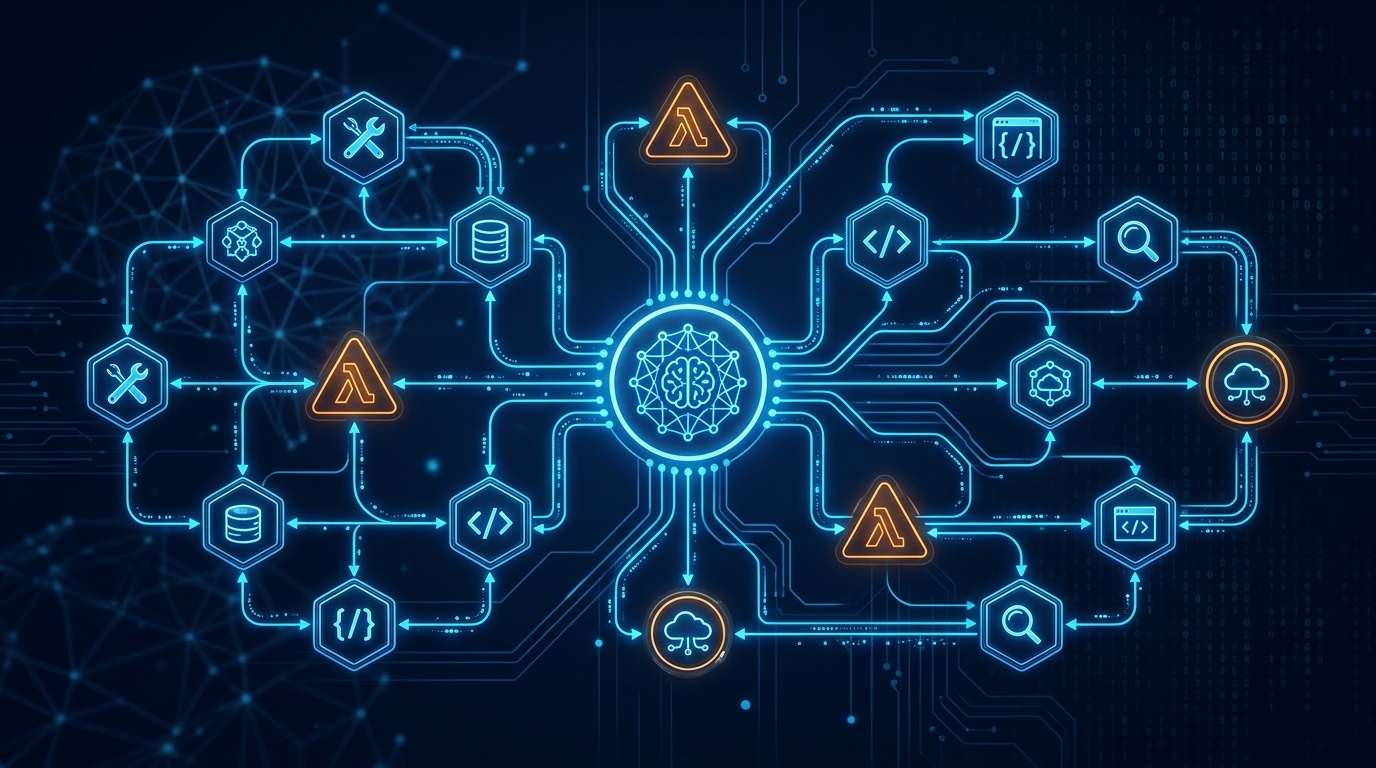
Amazon Bedrock Agents Classic automate workflows by giving foundation models the ability to call tools (APIs, Lambda, databases). This guide covers building agents with tool definitions, testing in the console, handling errors, and scaling to production.

Amazon Bedrock Knowledge Bases automate the RAG (Retrieval-Augmented Generation) pipeline — semantic search, chunking, embedding, and context injection into Claude or other foundation models. This guide covers setup, data ingestion, cost optimization, and production patterns.
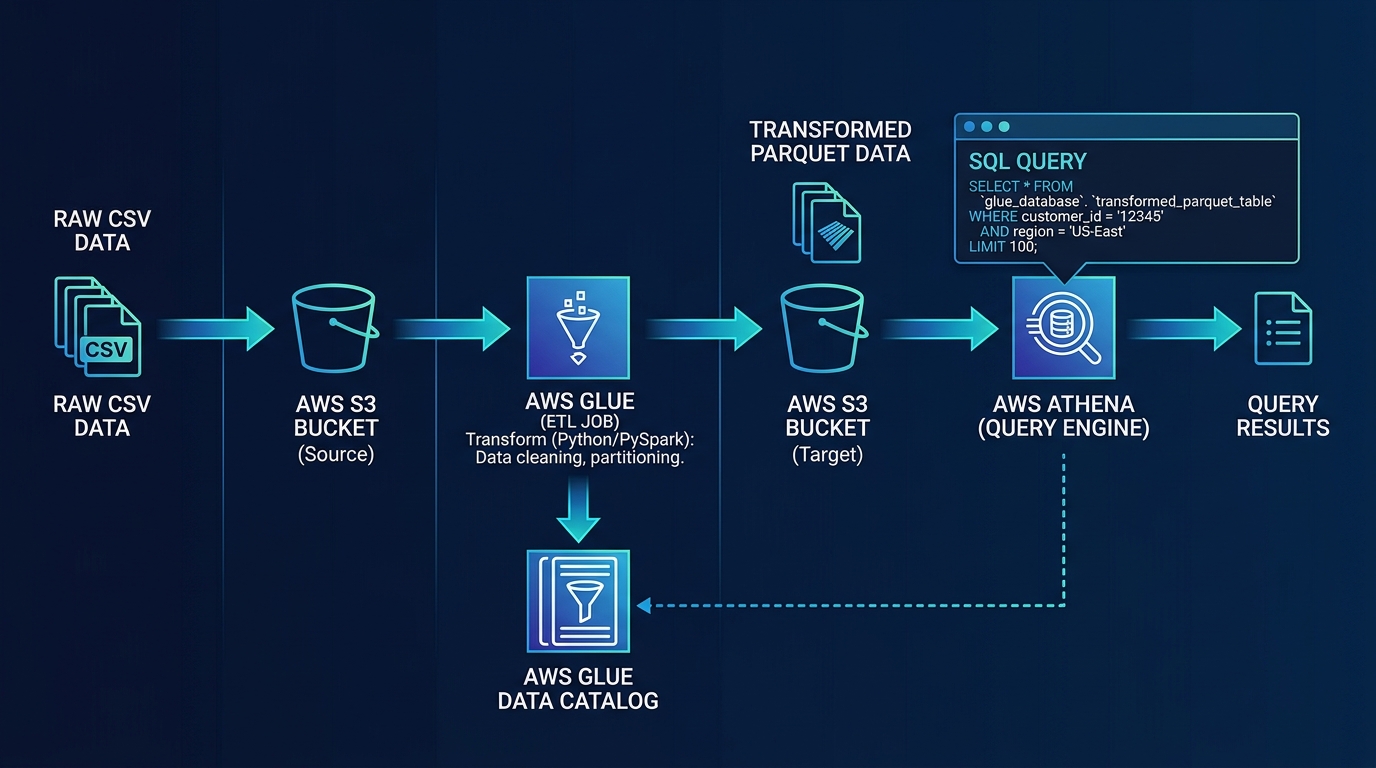
Glue ETL + Athena SQL without servers — still the default lake path. July 2026: Glue 5.x jobs, Parquet partitions, ~$0.44/DPU-hour + $5/TB scan math, pipeline checklist.

WAF beyond “enable managed rules”: COUNT→BLOCK, rate limits, Bot Control cost traps, GraphQL depth. July 2026 API protection checklist.